
How to Use Pilates Breathing for Pain Management
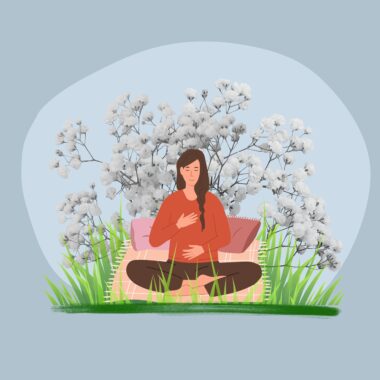
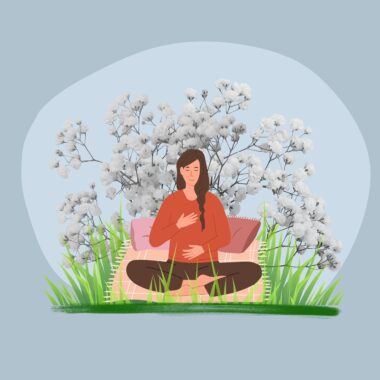
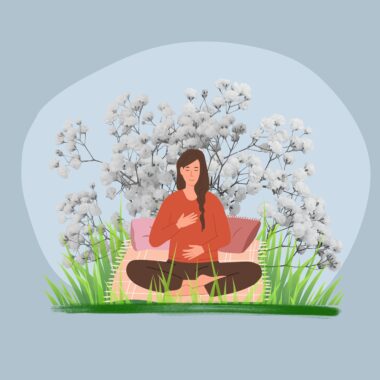
Pain management can often seem overwhelming, but utilizing specific methods can significantly alleviate discomfort. One effective approach is through Pilates breathing techniques. These techniques help improve oxygen flow while promoting relaxation, which is essential for anyone dealing with chronic pain. By incorporating breathing exercises into your Pilates practice, you can enhance both mental clarity and physical awareness. This type of focused breathing aids in muscle control and overall body awareness, making it easier to execute movements while reducing tension. To start, sit comfortably on your mat, inhaling deeply through your nose, filling your lungs with air. Practice this for several minutes to establish a rhythm. You should also learn to synchronize your breath with movements, allowing your body to flow naturally through the exercises. This connection between breath and movement is crucial for effective pain management. Pilates encourages mindfulness, emphasizing the importance of being present during your practice. This focus not only helps in reducing pain but also contributes to mental tranquility. As you grow more accustomed to breathing techniques, you may find greater relief and satisfaction in your Pilates journey.
Understanding the Importance of Breath in Pilates
Understanding why breathing is central in Pilates techniques can significantly enhance your practice. Breath acts as a cornerstone in Pilates, influencing every exercise and movement sequence. When you engage with your breath, you create a rhythm that not only provides energy but also optimizes the effectiveness of your workouts. Controlled breathing encourages deeper engagement of the abdominals while minimizing tension in other areas, reducing potential pain during the workout. Utilizing your diaphragm for deep inhalation helps in expanding your ribcage and encourages a complete breath, ensuring adequate oxygen supply throughout your movements. This can be especially beneficial for those suffering from stress-related tension. In addition, preparing your body with proper breath cycles promotes relaxation, setting a foundation for every Pilates exercise. This approach allows for a heightened state of awareness, helping you listen to your body signals. Understanding how breath interacts with movement can enhance your pain management strategy significantly. The goal is to allow the breath to guide you through your practice. Explore various breathing patterns and incorporate them into your regimen for optimal progress. All these elements play a critical part in pain management and overall well-being.
Incorporating diaphragmatic breathing during your Pilates sessions is an effective way to alleviate discomfort. This technique focuses on utilizing your diaphragm to take deep, full breaths. It engages the lower lungs and promotes relaxation, reducing muscle tension that often contributes to pain. To practice diaphragmatic breathing, lie on your back with your knees bent and feet flat on the mat. Place one hand on your chest and the other on your abdomen. As you inhale deeply through your nose, your belly should rise while your chest remains relatively still. This practice may take some time to develop, so patience is essential. Consistently using this breathing technique during Pilates can help strengthen your core muscles, offering essential support to your spine and overall posture. When your posture improves, it can lead to significant pain relief, especially in the lower back region. Additionally, diaphragmatic breathing promotes stress reduction, which is vital for managing chronic pain effectively. Practicing this technique regularly not only enhances your Pilates experience but also fosters a healthier mindset towards pain management. Incorporate short diaphragmatic breathing sessions into your daily routine for lasting benefits.
Connecting Breathing Techniques with Movements
Connecting your breathing techniques with Pilates movements can enhance your overall experience. Understanding how to synchronize your breath with exercise is crucial for effective pain management. Generally, practitioners are encouraged to exhale during exertion and inhale during recovery. Focusing on this rhythm allows for smoother transitions between poses, maintaining balance and control throughout your workout. For instance, while performing a Pilates roll-up, inhale deeply as you prepare to roll back down, exhaling purposefully as you come back up. This coordination fosters a sense of flow in your session and ensures that muscles are engaged correctly. To explore this aspect further, consider attending Pilates classes that emphasize proper breathing techniques. Leadership from a qualified instructor can provide you with personalized feedback, ensuring that you follow the proper breath patterns specific to each exercise. Group settings also foster a sense of community, further enhancing motivation and enjoyment. As you gain confidence in your breath control, you may find that your pain levels decrease due to improved muscle function and reduced tension. Understanding your body’s needs enables you to adapt techniques better suited for you.
Incorporating visualization techniques alongside your breathing exercises can also offer substantial pain relief during Pilates. Visualization involves creating mental images to enhance your focus and connection to your body, which can alleviate discomfort during workouts. One effective method is to visualize a soothing light or energy surrounding the painful areas of your body. As you breathe in, imagine this warmth permeating the tense regions while exhaling any discomfort or stress. This mental exercise can make your mind more connected with your body, creating a profound impact on pain levels. Integrating visualization into your practice encourages mindfulness, which can be immensely beneficial for overall pain management. Additionally, you can create a specific visualization routine before starting your Pilates session. This routine allows your mind to transition from daily stressors to a focused state of awareness. The combination of deep breathing, movement, and visualization harmonizes your physical and mental capabilities. Ultimately, these techniques are designed to increase your comfort during Pilates, making your overall experience positive and productive. By fostering this connection, you may be pleasantly surprised by your progress in reducing pain through Pilates.
Utilizing Props to Enhance Breathing Techniques
Utilizing props during your Pilates workouts can significantly improve your breathing techniques. Props such as resistance bands, stability balls, and blocks provide added support, allowing for better breath control. These tools can take stress off joints while ensuring proper form is maintained. For instance, using a stability ball beneath your lower back can enhance the effectiveness of your breathing exercises. It assists in finding the right alignment, enabling you to focus on your breath without straining. Additionally, forearm bridges supported by blocks help relieve tension during deep breathing sequences. Experimenting with props while practicing Pilates breathing can facilitate improved mobility and flexibility. As you gain better awareness of your breath and body alignment, integrating these props into your routine becomes intuitive. Creating a specific sequence of exercises incorporating props can enhance focus on breath and facilitate pain management. Furthermore, props allow for gradual progression in difficulty, giving you the freedom to challenge yourself as your skill improves. Finding the right balance among these external tools can support your pain relief journey and allow deeper exploration into Pilates breathing techniques.
Finally, ending each Pilates session with a calming cool-down routine can ensure that the benefits of breathing techniques are fully realized. This phase allows your body to ease out of the practice and promotes effective integration of all exercises completed. Consider ending with restorative breathing exercises that focus on gentle breath cycles to help soothe aching muscles. Incorporating stretch sequences while maintaining regular breathing not only enhances flexibility but also reinforces relaxation. Providing a moment of mindfulness encourages connection between your body and mind, resulting in improved overall well-being. Retreating from the intensity of the sessions can help in solidifying the mental strategies you’re utilizing for pain management. While performing cooldown stretches, focus on your breath patterns; each inhale drawing in energy and strength, while each exhale releases tension and discomfort. The post-practice state can create the optimum environment for reflecting on progress made during the session. Remember, this phase is just as vital as the workout itself, with significant implications on pain management. Each cooldown can be tailored to address specific areas requiring added attention, ultimately creating a complete and enriching Pilates experience.