
Cardio and Muscle Building: An Overview
Cardio and muscle building are essential components of a balanced fitness regime, impacting all age groups differently. Cardiovascular exercise improves heart and lung health, boosts metabolism, and aids in overall body efficiency. In contrast, muscle building primarily enhances strength, protects bone density, and fosters functional movement. Understanding how each age group should approach these elements can optimize results and ensure safety. For instance, children and teens need a mix of both to promote healthy growth and development. Young adults can increase intensity and focus on muscle gains. For middle-aged individuals, maintaining muscle mass while incorporating cardio becomes vital. Finally, seniors often require modified exercises that blend low-impact cardio with strength training to promote mobility and reduce the risk of injury. It’s important to create a comprehensive program tailored to one’s specific needs and limitations. Engaging in a variety of activities such as running, swimming, weight lifting, and resistance training can yield the best results across all ages. Combining both cardio and strength work provides numerous physical and mental benefits, contributing to a healthier and more active lifestyle.
Children and Youth Fitness
For children and young teens, engaging in cardio and muscle building is crucial for growth. At this age, playful activities not only promote fitness but also foster a lifelong love for physical activity. Kids should engage in at least 60 minutes of moderate to vigorous activity most days. Jumping, running, and games like tag can serve as effective forms of cardio. For muscle building, incorporating bodyweight exercises, like push-ups, squats, and planks, can initiate strength training safely. Team sports such as soccer or basketball also combine cardio benefits with muscle engagement. It’s critical that establishing a routine emphasizes fun and enjoyment, making exercise a positive experience. Parents and guardians should encourage active play rather than sedentary activities. Introducing variety into their workouts will keep children engaged and motivated. Safety is paramount; therefore, proper technique should be emphasized during strength training to prevent injuries. Furthermore, balancing activity with rest is vital for recovery and promoting healthy habits. By nurturing their fitness interests, children can foster healthy lifestyles, improving their health and confidence for years to come.
Young adults, typically aged 18-30, often find themselves keen on achieving optimal fitness levels through cardio and strength training. This demographic generally possesses a high capacity for recovery and building muscle, making it an ideal time for intensive training. Engaging in a routine that emphasizes both cardio and muscle-building activities can greatly enhance overall body composition. Resistance training, whether through free weights or machines, should ideally be incorporated three to four times weekly, focusing on major muscle groups. Cardio exercises, such as running or cycling, can enhance endurance and heart health. However, the balance is key; too much cardio without adequate muscle training can lead to muscle loss. Nutrition is equally vital during this phase, as a well-rounded diet rich in protein, healthy fats, and carbohydrates supports muscle repair and growth. Young adults should be educated about the importance of hydration and rest as part of their fitness journey. Seeking professional guidance, such as working with a personal trainer or nutritionist, can refine their techniques and foster adherence to their fitness goals, setting a foundation for successful lifelong health.
Individuals entering their 30s and 40s often notice shifts in metabolism, necessitating a more strategic approach to workout routines. In this age group, muscle mass naturally begins to decline, making resistance training an essential aspect of maintaining strength. Combining cardio with muscle building helps mitigate potential weight gain while promoting cardiovascular health. A balanced workout routine should consist of strength training at least two to three times a week, focusing on compound movements such as deadlifts and squats. Additionally, incorporating cardio sessions, like brisk walking or cycling, can increase calorie burn while benefiting heart health. It’s crucial to listen to the body during this phase, ensuring that adequate rest is provided between workouts to allow for recovery. This age group may also benefit from cross-training, which mixes different forms of workouts, reducing injury risk. Initiatives like group classes can provide motivation and social encouragement. Implementing flexibility and mobility exercises can also greatly enhance performance in other workouts. Building a sustainable routine not only aids in maintaining fitness but improves overall quality of life for individuals in this crucial decade.
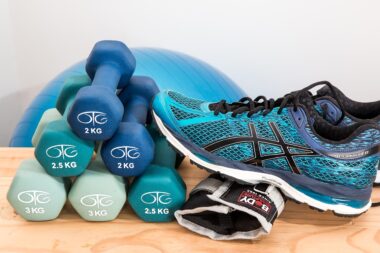
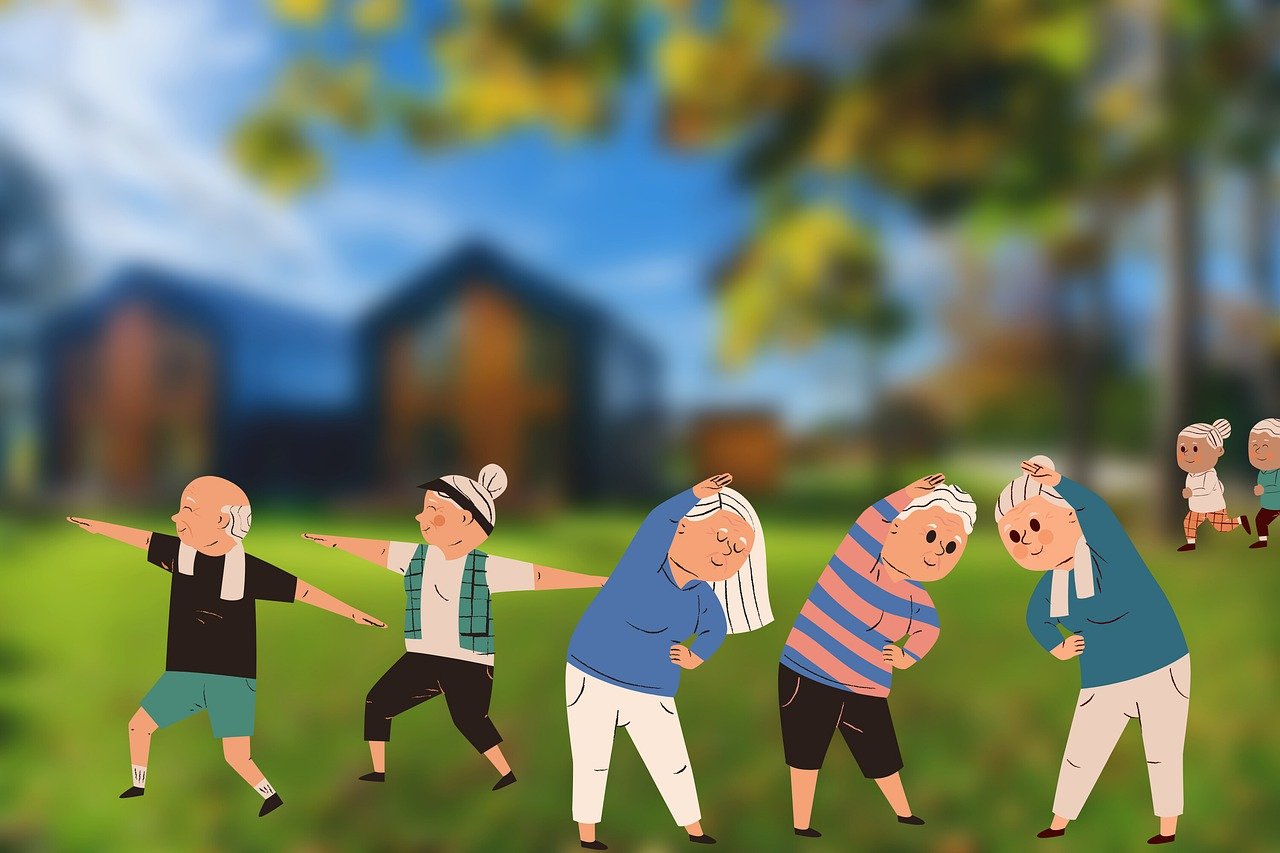
As individuals enter their 50s and beyond, exercise becomes even more critical to combat age-related decline. A focus on combining cardio and muscle building can significantly enhance mobility, flexibility, and reduce the risk of chronic diseases. It’s advisable to incorporate strength training at least twice weekly, utilizing lighter weights to safeguard joints and focus on form. Resistance bands, bodyweight exercises, and light dumbbells are excellent tools for seniors to engage in strength training effectively. Cardio workouts should focus on low-impact options like swimming, walking, or cycling, which lessen strain on the joints while promoting heart health. Balancing different types of exercises helps maintain interest and engagement. Additionally, incorporating stretching routines can improve range of motion, essential for maintaining physical independence. Encouraging social exercising in group settings can boost motivation and foster community connections. Proper nutrition also plays a key role; remaining hydrated and ensuring an adequate intake of protein can support muscle maintenance and recovery. Consulting healthcare professionals for personalized exercise plans can guide safe participation in fitness activities. Maintaining an active lifestyle can lead to improved well-being, offering various physical and mental health benefits throughout the senior years.
Incorporating cardiovascular exercises alongside strength training presents numerous benefits regardless of age. However, it is essential to personalize routines to cater to individual goals, preferences, and physical limitations. Someone may prefer high-intensity interval training (HIIT) for a challenging cardio workout, while another might opt for moderate-paced activities like jogging or swimming. Additionally, understanding the importance of warm-ups and cool-downs cannot be overlooked; these practices will help prevent injuries and ease transitioning between exercises. Combining flexibility routines offers enhanced body function, reducing injury risks. Nutrition plays a pivotal role; consuming sufficient protein to support muscle recovery and healthy fats fosters hormone balance and energy levels. Being mindful of hydration during workouts will further enhance performance. Communities encouraging active participation often facilitate challenges and group activities, promoting accountability and motivation among peers. Integration of technology, such as fitness apps, can offer tailored workouts and track progress. Furthermore, consulting fitness professionals for guidance when beginning a new regimen can prevent injuries and streamline paths to personal fitness goals. Making fitness a sustainable part of life is vital, leading to enhanced longevity and overall quality of life for individuals across all ages.
A consistent, well-rounded fitness routine encompassing both muscle-building and cardio activities serves as a foundation for good health across age groups. To reinforce and maintain enthusiasm, individuals should explore and discover new workouts that resonate with their interests. Recognizing that each age group has unique challenges and benefits allows for better customization of fitness plans. Children thrive in structured play; young adults can push their physical limits; middle-aged individuals may focus on balancing endurance and strength; while seniors can prioritize joint-friendly exercises that enhance mobility. As fitness trends evolve, embracing flexibility in routines can cultivate long-term commitment and success. Continuous education regarding exercise benefits and personal health is vital. Participating in educational workshops, webinars, or community fitness events provides resources and keeps individuals informed. Establishing fitness goals can promote a sense of accomplishment and progress. Regular assessments of physical performance can help refine techniques and workout structures. Ultimately, fostering a culture of health, diverse physical activity, and lifelong learning around fitness ensures longevity. Encouraging others to prioritize their fitness journeys can create a positive ripple effect, transforming lifestyles and communities.
Cardio and muscle building are more vital than ever, playing significant roles in enhancing quality of life. The key to fitness success is creating enjoyable routines adaptable to each life stage. Adopting a holistic perspective provides a thorough understanding of how different exercises complement each other to drive health outcomes. Emphasizing both strength and endurance aids stability, boosts confidence, and offers a sense of accomplishment. Each individual’s journey should include advantages of social support through friendships or classes, promoting motivation and societal wellness. Both forms of exercise contribute crucially to self-esteem and mood improvement. Engaging in regular physical activity reduces the risks of several diseases while enhancing cognitive functions. It defines an active lifestyle and encourages the nutrition aspect that complements muscle building and cardio. Everyone at any age can benefit from growing together in physical fitness lanes, driving collaborative efforts forward. Harnessing abilities, experimenting with varied exercises, allows enhancement of skills while keeping routines fresh and interesting. Creating strategies to implement fitness into diets nurtures overall wellness. By taking steps towards personal goals, individuals transcend barriers on their fitness voyages, discovering the best version of themselves while fostering longevity through active choices.