
Preventing Exercise-Induced Anxiety: Best Practices and Tips
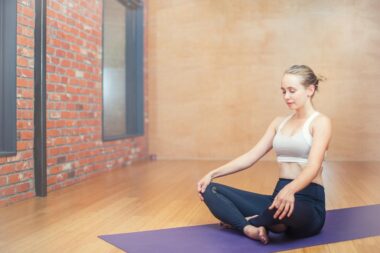
Engaging in physical activity can be beneficial for managing anxiety disorders; however, without proper guidelines, it may lead to exercise-induced anxiety. Establishing a routine is critical for those with anxiety issues. A consistent schedule helps create predictability, allowing individuals to mentally prepare for workouts. Consider beginning with low-intensity activities such as walking or gentle yoga. Low-intensity workouts help to build confidence and assess comfort levels. Gradually increase intensity as comfort grows. It’s crucial to listen to your body; if feelings of anxiety arise, modifying the workout is essential. Opt for a non-competitive environment, which fosters a sense of community and reduces performance pressure. Joining group classes or exercising with friends offers social support and motivation. Incorporating relaxation techniques before and after workouts can be calming. Techniques such as deep breathing or meditation can help the mind focus on the positive effects of exercise. Always consult with a healthcare professional before starting a new exercise regimen, especially for those with existing mental health conditions. Consultation ensures the chosen activities suit individual needs and prevent escalating anxiety symptoms.
Many individuals overlook the importance of setting realistic goals when starting an exercise routine. Unrealistic expectations can lead to feelings of failure, exacerbating anxiety symptoms. Instead, focus on establishing small, achievable objectives. This might include committing to a specific duration, like walking for ten minutes, rather than aiming for an hour right away. Celebrate each accomplishment, no matter how small, to build confidence and reinforce positive progress. Maintain an exercise journal to track improvements and experiences. Additionally, consider varying workouts to mitigate boredom and promote enjoyment. Trying different activities can uncover new interests and keep motivation high. Listening to your body is crucial; it’s okay to take rest days or modify exercises. In moments of increased anxiety, engaging in comforting workouts, such as gentle stretching or leisurely walks, can be advantageous. These practices create a sense of normalcy and ease tension. Pay attention to body language and emotional responses during workouts, modifying activities when necessary. Establishing a routine that feels enjoyable rather than burdensome ensures physical activity remains a source of joy rather than stress.
Prioritizing Mindfulness and Mental Awareness
Fostering mindfulness during physical activity can significantly reduce exercise-induced anxiety. Practicing mindfulness involves being fully present in the moment and tuning into thoughts and feelings without judgment. This can transform a standard workout into a more enjoyable experience. Start by focusing on your breath while exercising; deep breaths can calm the mind and help reduce anxiety. Engaging in activities that you enjoy can increase the likelihood of maintaining the routine. Whether it’s dancing, swimming, or hiking, find a method of exercise that resonates with you. Utilize positive self-talk before and during workouts to reinforce confidence. Use affirmations to remind yourself of your capabilities and your achievements. Surround yourself with a supportive community. Engaging in group fitness activities can foster social bonds and provide additional support. It’s beneficial to participate in communities that recognize mental health complexities. This can create an understanding environment, allowing individuals to exercise without feeling judged or pressured. Understanding personal triggers during workouts helps create a tailored experience, ensuring both physical activity and mental health coexist harmoniously.
Recovery is fundamental in any fitness routine, especially for those managing anxiety. Proper recovery techniques allow the body to restore, reducing stress and anxiety. Ensuring sufficient rest days is vital; these days should be incorporated into the weekly schedule. Active recovery, such as yoga or light stretching, can also be beneficial. Focusing on nutrition post-exercise aids overall well-being. Consuming balanced meals after workouts helps the body recover and provides essential nutrients, reinforcing positive feelings. Hydration plays a significant role in mental health; drinking water before, during, and after exercise promotes overall physical well-being. Engaging in restorative practices, such as meditation or relaxing baths, can facilitate better mental states. Challenge negative thoughts surrounding exercise by reminding yourself of its benefits. Positive reinforcement can shift perspectives, allowing physical activity to be viewed as therapeutic rather than a chore. Always remain flexible in your approach, adapting workouts to fit changing moods or anxiety levels. This fluidity in your routine can prevent feelings of being overwhelmed. Always prioritize self-care practices that enhance both physical and mental well-being.
Building a Supportive Environment
A supportive environment significantly influences exercise routines for individuals managing anxiety. Engaging friends or family members in workouts helps alleviate feelings of isolation and can make exercising more enjoyable. Exercising in a familiar space can provide comfort; consider utilizing home or local parks to minimize anxiety associated with new environments. Joining community exercise programs or support groups dedicated to mental health can foster connections with others facing similar experiences. Sharing personal journeys not only provides encouragement but also builds accountability. Utilizing technology for guided workouts may serve to ease anxiety. Online classes, streaming workouts, or fitness apps can provide privacy and convenience while maintaining a sense of structure. Utilize fitness trackers to monitor progress and set achievable goals; this tool can enhance motivation and track emotional responses associated with different workouts. Having a workout buddy can create a sense of accountability, offering encouragement during tough moments. Remember to communicate openly about feelings during exercise. Honoring emotional states and advocating for flexibility in routines creates an environment conducive to mental wellness.
Evaluating physical fitness levels before starting an exercise regimen can provide a clear view of personal capabilities, which is vital for anxiety management. An initial assessment allows for tailored workout planning, helping to avoid overwhelming anxiety triggers. Seek the help of professionals for accurate assessments. Personal trainers experienced in the mental health field can provide invaluable guidance tailored to individual needs. Slow progress is entirely acceptable—listen to your body, and understand its limits. Gradually challenge yourself, recognizing that patience is essential in this process. Incorporate feedback loops by reflecting on experiences after workouts to identify areas of discomfort or improvement. Personal reflection post-exercise promotes a deeper awareness of individual responses, enhancing understanding of anxiety triggers. Keeping an exercise record can be beneficial, making it easier to identify patterns in mood and anxiety after workouts. Adapting exercises based on these patterns allows for continual improvement. Remember that physical fitness is a journey; navigating it with mindfulness, patience, and flexibility is crucial, ensuring that each step taken contributes positively to your mental health.
Conclusion
Understanding the relationship between exercise and anxiety can empower individuals to manage their mental health effectively. Equipping yourself with strategies to prevent and manage exercise-induced anxiety is vital. Consider integrating relaxation and mindfulness practices within your routine. Choose low-intensity workouts that provide comfort while enhancing physical capabilities. Also, solid support systems will foster accountability while sharing experiences with others battling anxiety. Remember to embrace self-care and recognize when to seek professional support for guidance. Empowering yourself through informed decisions regarding exercise and mental health promotes resilience and encourages lifelong wellness. The journey of integrating exercise for anxiety management is uniquely personal, necessitating a focus on self-awareness, which ultimately leads to long-term benefits. Regular exercise, matched with tailored approaches, nurtures positive outcomes for mental health. Prioritize methods that work best for you while remaining flexible in adapting strategies to suit changing emotional states. Commit to maintaining a healthy relationship with exercise, allowing it to become a source of joy rather than stress. With the appropriate tools and practices, managing anxiety through exercise becomes not just feasible but profoundly rewarding.