
Electrolytes and Hydration: Balancing Your Body for Optimal Healing
Proper hydration is crucial for injury prevention and recovery. When the body is dehydrated, its ability to heal diminishes significantly. Water is vital for numerous physiological processes, including digestion, circulation, and temperature regulation. However, it is not just about drinking water; electrolytes play a fundamental role in hydration. Electrolytes, such as sodium, potassium, and magnesium, help regulate muscle contractions and maintain fluid balance. A deficiency in these electrolytes can lead to muscle cramps and prolonged recovery times. To ensure optimal hydration, consider incorporating foods rich in electrolytes into your diet. Foods like bananas, oranges, and leafy greens not only provide essential nutrients but also help restore electrolyte balance after exercise or injury. Additionally, drinks designed for hydration, such as sports beverages, can assist in replenishing lost electrolytes during physical activities. Remember that both hydration and electrolyte balance are key components for effective recovery. Monitoring your fluid intake and replenishing electrolytes will support overall health. This article will elaborate on effective hydration strategies for recovery, ensuring practitioners and athletes achieve optimal healing during their recovery processes.
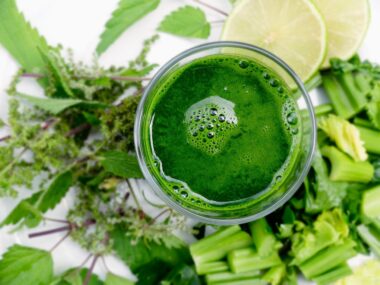
Electrolytes are not just beneficial; they are essential for body function, especially during the healing process. When injury occurs, inflammation can lead to an imbalance of electrolytes that hinders recovery. Adding specific foods and proper hydration methods can optimize the healing process. Start by understanding which electrolytes your body needs. Sodium is crucial, particularly for those engaged in high-intensity workouts, as it helps retain water and maintains blood pressure. Potassium works alongside sodium, helping manage muscle contractions and nerve function. Calcium and magnesium are equally important as they support muscle and nerve function. Ensuring adequate intake of these electrolytes—through diet or supplementation—is vital to preventing cramping and promoting stronger tissues. A well-rounded approach should include fruit and vegetable smoothies, which are rich in nutrients and easily digestible. Consider low-sodium broth for its mineral content; it aids in quick recovery. Always listen to your body’s signals, adjusting your intake based on activity levels and climate. Combining these insights will enhance recovery, bring your body back to optimal performance, and empower you to stay active and healthy after any injury.
The Role of Hydration in Recovery
The role of hydration in recovery cannot be overstated. Often overlooked, proper hydration can dramatically affect healing times and overall body performance. Not only does water facilitate nutrient transport and waste elimination, but good hydration also helps regulate temperature during activity, which is crucial when your body is under stress from an injury. To ensure you stay properly hydrated, monitor the color of your urine. Pale yellow signifies good hydration, while dark urine indicates dehydration. Remember the 8×8 rule: drinking eight 8-ounce glasses of water daily is foundational, and though it may vary based on individual needs, it’s a good starting guideline. Additionally, incorporate hydrating foods such as cucumbers, tomatoes, and watermelon into your diet, as they contribute to your fluid intake. For those involved in strenuous exercise or high temperatures, consider oral rehydration solutions (ORS) designed for rapid electrolyte replenishment. Combining these techniques ensures that the body maintains optimal hydration levels during recovery. In the next section, we will explore specific hydration strategies tailored for athletes and individuals recovering from injuries.
For athletes or individuals recovering from injuries, specific hydration strategies can markedly improve the recovery process. Firstly, determine your sweat rate by weighing yourself before and after a workout; this helps establish how much fluid you lose. Replace this lost fluid to maintain hydration levels. Including electrolyte-rich drinks during intense workouts can help maintain balance. Instead of waiting to feel thirsty, set hydration reminders to drink throughout the day, ensuring a steady intake. If you need an immediate electrolyte boost, options like coconut water or sports drinks can efficiently restore balance. Customize your intake after workouts to include both fluids and nutrients; this combination can speed healing. After any strenuous activity, aim to consume a drink or snack containing carbohydrates and protein within 30 minutes. This step is critical for muscle recovery and fluid replenishment. As you establish these habits, you’ll find that your energy levels remain consistent, allowing you to focus more on your workouts and recovery. Ultimately, staying well-hydrated while respecting your body’s needs helps improve healing times and prepares you for future exertion.
Hydration and Immune Function
Hydration also plays an essential role in supporting the immune function, particularly during recovery from injuries. A well-hydrated body maximizes the efficiency of bodily systems, including your immune system. Adequate water intake helps flush out toxins and may help prevent infections that can derail recovery. Furthermore, dehydration can hinder the production of immune cells, which are essential in fighting off illnesses. This is crucial when your body is already dealing with injury. A balanced intake of fluids and electrolytes is necessary to maintain a robust immune response. Adding citrus fruits or supplements rich in vitamin C can also facilitate a stronger immune system, along with proper hydration. To maximize recovery, ensure consistent water intake, particularly when you’re feeling unwell or are under stress from physical activity. Herbal teas and broths can also enhance your hydration levels while providing immune-boosting properties. Therefore, consider adopting a hydration plan tailored to your individual needs. In essence, hydration supports healing at the cellular level, strengthens defenses against pathogens, and improves recovery outcomes.
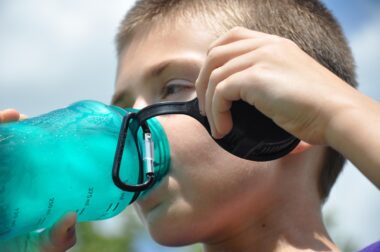
Certain hydration missteps can hinder performance and recovery, so being aware of these pitfalls is essential. One common mistake is neglecting to hydrate adequately in hot weather. Heat increases fluid loss through sweat, and failure to replenish can lead to fatigue and injuries during physical activity. Moreover, excessive caffeine or alcohol consumption can contribute to dehydration. While delaying the urge to drink may seem harmless, it can cumulatively lead to feelings of sluggishness and impaired recovery. Consider specific hydration techniques focused on your activity levels and environmental conditions. For recovery, avoid sugary drinks that can result in energy crashes; instead, prioritize water along with essential electrolytes. Keep a refillable water bottle with you, making it easier to establish a habit of consistent hydration. This proactive approach will ensure that your body maintains peak performance and can recover more effectively after exercises. Furthermore, regular check-ins with your hydration status, especially during temperatures above normal, will help you adjust accordingly. With the right strategy, you can achieve optimal hydration, positively affecting overall health and physical performance.
Conclusion: The Importance of Hydration Strategies
In conclusion, adopting proper hydration strategies can significantly enhance recovery and performance during and after injuries. Understanding the balance between water and electrolytes is essential in maintaining optimal bodily functions and facilitating healing processes. Remember to track your fluid intake and adjust according to your activity, sweat rate, and overall health. Incorporate a variety of hydrating foods alongside appropriate beverages to support hydration efforts. This comprehensive approach will not only promote healing but also provide benefits for long-term health. Establishing consistent hydration habits will enable athletes and non-athletes alike to recover effectively, stay energized, and improve their overall performance. Ultimately, hydration is a cornerstone of health that directly influences how quickly one can bounce back after an injury. Keep hydration at the forefront of your recovery plan to ensure optimal results. Educating yourself about the role of hydration in recovery is a continuous journey, so it’s vital to remain informed. Make hydration a priority, embrace healthy practices, and watch as your body thrives during and after the healing process.
Incorporating a strategy based on knowledge about hydration and its effects will lead to greater efficiency in recovery.