
Improve Posture with These Daily Flexibility Movements
Posture plays a crucial role in our overall health, affecting our physical appearance and emotional state. Incorporating daily flexibility routines can significantly enhance posture by promoting better alignment and muscle balance. First and foremost, standing tall and aligning your ears over your shoulders has long-term effects on your spine. Stretching opens up the chest, counteracting the slouched position most people adopt, especially during long hours at a desk. Activities such as chest openers, hamstring stretches, and quadriceps stretches can affect posture positively. Utilizing a foam roller or stretching strap can support flexibility while performing these stretches effectively. Regularly doing these exercises encourages greater blood circulation and can relieve muscle tension throughout the body, which subsequently impacts posture. Furthermore, flexibility routines aid in reducing the risk of injuries by promoting a full range of motion across joints. A consistent practice can create muscle memory, making good posture a natural reflex. By prioritizing flexibility, you create a sustainable habit that benefits your health and enhances your physical presence. Therefore, devote time each day to incorporate various stretching routines into your lifestyle for optimal results in overall posture improvement.
Daily Stretching Techniques
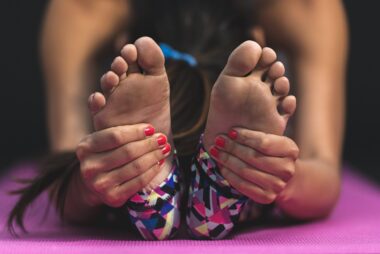
The choice of stretching techniques can vary widely, targeting specific muscle groups for better flexibility and posture. Consider integrating dynamic stretches into your morning routine; activities such as arm circles and leg swings effectively warm up muscles. These movements engage the entire body, thereby preparing it for the day ahead. Furthermore, static stretching, which is essential after workouts, aids in lengthening muscles and improving flexibility. Focus on essential muscle groups, including the hip flexors, lower back, and shoulders, as they tend to be tight due to prolonged sitting. One beneficial technique is the cat-cow stretch, which opens up the spine and strengthens back muscles. To perform this, transition between arching and rounding your back while on all fours, increasing flexibility and posture simultaneously. Incorporating yoga into your routine can also be beneficial; poses like Downward Dog and Cobra stretch multiple muscle groups, enhancing flexibility. Moreover, these movements encourage intentional breathing, promoting relaxation and stress reduction. As you explore various stretching techniques, listen to your body and adapt routines to fit your personal flexibility levels and posture goals effectively.
Regular practice of flexibility movements significantly contributes to greater mobility across diverse activities. Daily routines, even simple ones, engage your core and promote overall stability, which is essential for good posture. Incorporate exercises like planks and side lunges, as they challenge your balance. These movements stretch the hip and thigh areas, which, when tight, adversely affect posture. Combining mobility exercises helps create a stable base for your spine, allowing you to stand taller effortlessly. Additionally, many individuals underestimate the power of simple neck and shoulder stretches, which can alleviate tension build-up from prolonged sitting or stress. Integrating these stretches into your day enhances circulation and releases pent-up energy, making you feel more alert and mobile. Allocating just a few minutes a day to targeted flexibility exercises can yield impressive long-term benefits for your posture and overall well-being. Experiment with different stretches to find what works best for you, ensuring a balance between intensity and comfort. Grouping various stretching movements can create a holistic approach to your daily routine, improving flexibility while maintaining an awareness of your posture throughout the day.
The Role of Aerobic Activities
Aerobic activities play an essential role in enhancing flexibility and mobility as well. Engaging in activities such as walking, jogging, or biking increases heart rate and promotes blood flow to muscles, making them more receptive to stretching. To maximize your flexibility, incorporate aerobic activities into your daily routine. Choose low-impact options that gradually increase in intensity to avoid injury while encouraging muscle lengthening. Additionally, consistent aerobic exercise supports lung capacity and endurance, both beneficial for performance when stretching. Consider activities like swimming, which works multiple muscle groups and includes a considerable range of motion. Swimming engages your shoulders, hips, and core, encouraging flexibility while providing resistance to strengthen muscles. Besides, it’s a fun way to improve cardiovascular health while positively impacting flexibility. Aim for at least 150 minutes of moderate aerobic activity weekly to see meaningful improvements in posture and flexibility. Create a balance between stretching and aerobic exercise for a comprehensive approach. With regular incorporation of both activities, you’ll experience improved mobility, posture, and an overall enhanced sense of physical well-being.
Mindfulness and body awareness contribute significantly to the effectiveness of flexibility routines. By focusing on your body, you can effectively listen to its needs and respond through movement. Effective flexibility routines enhance not only physical but mental health, creating a holistic approach to well-being. Incorporating mindfulness practices, such as meditation, can increase the awareness you have about your body. This heightened state of awareness allows for better execution of stretches, encouraging deeper breaths and greater relaxation during routine exercises. While performing flexibility movements, concentrate on releasing tension and aligning your spine intentionally. Consider doing this practice in a quiet space where you can connect both mentally and physically. Visualization techniques can also aid your routine; envisioning yourself performing stretches successfully can instill confidence when engaging in challenging movements. Recording your progress may motivate you to maintain a commitment to a flexibility routine. As you become mindful, you may notice improved posture and deeper connections to physical activities. Achieving daily flexibility routines through mindfulness effectively improves not only your posture but also your quality of life.
Conclusion: Enhancing Flexibility for Better Posture
In conclusion, daily flexibility routines provide immense potential for improving posture and overall health. Prioritizing these movements ensures greater mobility and stability throughout various activities. Strive to include a mix of dynamic and static stretches within your routines, targeting areas often neglected due to sedentary lifestyles. Incorporating aerobic exercises not only supports your cardiovascular health but also allows for greater benefits within flexibility practices. Remember to engage in mindfulness and be aware of your body’s responding needs, enabling you to maximize the benefits of these routines. Be patient and consistent with your practice; remember results will gradually develop over time. Keep challenging your flexibility while respecting your body’s limits to avoid injuries and cultivate a sustainable routine. Maintaining proper posture has substantial implications for your mental and physical well-being; hence incorporating these flexibility movements becomes essential. As you commit to these routines, you will surely notice a gradual improvement in your posture and overall mobility. So invest time each day into your flexibility practices for a healthier, happier, and more aligned you.
Remember, the journey to improved posture and flexibility is a personal one. Individual experiences may vary depending on various factors such as age, fitness level, and lifestyle choices. Stay positive throughout your journey, celebrating small milestones along the way to maintain motivation. Document your progress, as this can inspire quick wins that reinforce commitment towards daily routines. Explore various resources, including videos and classes, to learn new techniques and adjustments to your flexibility practice. Don’t hesitate to seek guidance; engaging with professionals like physiotherapists or personal trainers can offer valuable insights and personalized routines tailored to your goals. Adaptability is key—feel free to mix and match movements, allowing your practice to evolve based on what feels right on any given day. Ultimately, the goal is to create a sustainable routine that optimally fits your lifestyle while promoting excellent posture and flexibility. Embrace the variety that daily flexibility routines bring, and consider connecting with others who share similar goals. Build a supportive community that encourages consistency in your practice to ultimately reap the benefits for your overall health and well-being.
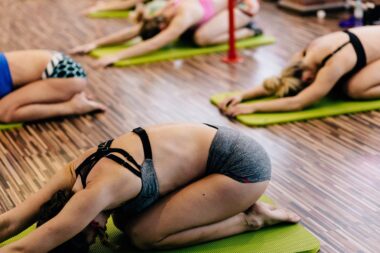
By engaging with the community, you can gain motivation, share experiences, and learn valuable tips that can enhance your own flexibility journey. Participate actively in discussions about flexibility practices, share success stories, and find inspiration in others who strive for better posture. Online forums or local classes provide richer engagement and allow for real-time support. Additionally, building connections with like-minded individuals fosters a sense of accountability, pushing you to remain consistent in your routines. Surrounding yourself with motivating influences can propel your journey, leading to more significant improvements in flexibility and posture than you might achieve alone. Explore group stretching classes if available, as they can provide guided instruction while simultaneously enhancing your motivation. Working out in a group offers supportive energy and encouragement that can keep you challenged and motivated. Ultimately, remember that your journey towards better flexibility and posture doesn’t have to be solitary. Embrace connections, share insights, and celebrate achievements with others in your community—together you can foster a more supportive environment for achieving optimal posture through flexibility practices.