
Case Studies: Transforming Lives Through Inclusive Fitness
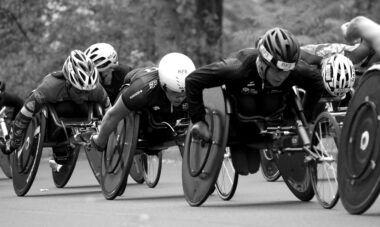
Inclusive fitness programs are increasingly vital in today’s wellness landscape, effectively catering to diverse populations. They promote the idea that everyone, regardless of ability, can participate in and benefit from physical activities. Numerous case studies illustrate how inclusive programs empower individuals, enabling them to reach their fitness goals. Initiatives like adaptive yoga and wheelchair sports eliminate barriers, fostering a culture of acceptance and encouragement. These programs provide tailored approaches, ensuring every participant feels included and supported. Moreover, testimonials highlight personal transformations, showcasing improved physical health, mental well-being, and social connectedness. Fitness centers and community organizations now realize the importance of bridging gaps through inclusive practices. They are reshaping traditional fitness environments to be more welcoming and accessible. By investing in staff training and equipment, facilities enhance their offerings, ultimately attracting a more varied clientele. This evolution not only benefits individuals but also nurtures a diverse fitness community. With further promotion and awareness, inclusive fitness programs continue to grow, paving the way for a healthier society where everyone can thrive through movement.
One prominent case study involves a local gym that launched an inclusive fitness program designed for individuals with disabilities. The initiative targeted physical activity, ensuring participants received personalized training plans accommodating specific needs and goals. This effort resulted in increased engagement among participants who previously felt excluded from standard fitness classes. Participants shared their success stories, capturing emotional narratives of overcoming personal challenges. The program incorporated a variety of activities such as adaptive circuit training and aquatic exercises. Tailored versions of group classes encouraged camaraderie, fostering friendships among members who often faced social isolation. The gym’s commitment to accessibility extended beyond just classes, with renovations made to provide easy access for individuals with mobility challenges. Member feedback was consistently positive, highlighting improvements in self-esteem and social interaction. As a result, the gym saw a notable rise in membership, creating a more vibrant community atmosphere. These achievements underscore how inclusive fitness programs can impact not only individuals but also their families and support networks. With continued community support, initiatives can expand and inspire others to adopt similar inclusive principles, promoting a healthier and more equitable society.
Adaptive Fitness and Community Engagement
In another striking case, a non-profit organization dedicated to adaptive fitness collaborated with local schools to design inclusive sports programs. The project aimed to encourage children with disabilities to engage in physical activities they could enjoy with their peers. This partnership allowed for the integration of wheelchair basketball, adaptive martial arts, and inclusive swimming lessons. Children learned teamwork, discipline, and resilience while forming meaningful connections. Feedback from parents was overwhelmingly supportive, emphasizing the positive impact on children’s social skills and confidence. This program not only facilitated participation but also educated able-bodied peers about inclusion and diversity. It fostered a sense of community, promoting understanding and empathy among all participants. Schools noted significant changes in student attitudes towards disabilities, translating into a more supportive environment. Through adapted fitness initiatives, young participants discovered that physical activity could be enjoyable and empowering, irrespective of their capabilities. As communities continue to embrace inclusive fitness practices, the ripple effects become increasingly profound, reshaping perceptions about abilities and limitations.
The impact of inclusive fitness programs also resonates with older adults striving for better health. A retirement community piloted a dedicated program tailored for seniors, focusing on mobility, balance, and overall wellness. The initiative integrated low-impact aerobics, modified strength training, and yoga sessions designed for varying abilities. Participants experienced significant improvements in physical health, resulting in enhanced mobility and reduced fall risks. More importantly, social bonds formed among participants enabled friendships, combating feelings of loneliness often prevalent among older populations. A major success story emerged from this initiative when a participant, once hesitant to engage, started to lead group sessions after experiencing personal growth. The program’s success attracted attention from local health organizations, reinforcing the importance of promoting active lifestyles among seniors. Community events highlighting senior fitness success fostered public awareness, inspiring additional programs across various outreach locations. Such initiatives also emphasize the importance of mental health, illustrating how physical fitness interrelates with emotional well-being. Overall, inclusive fitness transforms lives, underscoring the importance of participation and engagement at all stages of life.
Technology in Inclusive Fitness Programs
The rise of technology within inclusive fitness programs has sparked innovative and transformative changes. Devices and applications tailored for individuals with disabilities enhance their fitness experience and participation. Wearable technology empowering users to monitor their health metrics encourages accountability and motivates progress. Furthermore, fitness apps specifically designed for adaptive workouts provide tailored routines, accommodating diverse needs and preferences. An inspiring example of this is a successful app offering virtual exercise classes, bridging geographical gaps for individuals unable to access physical facilities. Participants reported improved health outcomes and greater social engagement through these virtual formats. By fostering community interaction, technology enables people to connect despite physical distances, nurturing ongoing motivation. Such innovations also bring awareness to both users and fitness professionals, promoting understanding of adaptive techniques and the importance of customization in fitness planning. In this digital age, creating accessible online platforms further enhances inclusivity. The future of inclusive fitness will likely be shaped by constant technological advancements, maximizing opportunities for participation. As inclusivity evolves, individuals empowered by supportive tech can continue pursuing their fitness goals with resilience and determination.
Furthermore, the role of partnerships between fitness organizations and advocacy groups adds significant value to inclusive fitness programs. Collaborative efforts amplify awareness regarding the needs and voices of individuals with disabilities. One notable initiative showcased a partnership between a gym and a disability rights organization, aiming to raise funds for accessible fitness facilities. This collaboration created numerous inclusive fitness workshops, providing invaluable resources and guidance to both fitness professionals and participants. These workshops emphasized best practices, ensuring that inclusivity was interwoven into all aspects of fitness culture. Participants benefited from expert advice on adaptive techniques and various modifications suitable for all abilities. Additionally, feedback channels established through these partnerships allowed continuous improvement as community needs evolved. Programs developed through collaboration amplify successes, emphasizing the mutual benefits of inclusivity. Educational campaigns further raise awareness, celebrating individuals’ successes and reinforcing the importance of access to fitness resources. As communities witness the positive ramifications of inclusive fitness, they become more motivated to adopt and nurture practices that prioritize equity and respect for all participants, paving the way for sustainable transformation.
Future Perspectives on Inclusive Fitness
Looking towards the future, inclusive fitness programs are poised for exciting developments that can transform lives on a larger scale. As awareness continues to grow, more fitness facilities may adopt adaptive initiatives, enriching communities everywhere. This increasing trend creates an opportunity for research and evaluation, providing insights on effective practices and strategies. Collaboration with healthcare professionals can ensure these programs align with therapeutic goals. By emphasizing holistic approaches to health, they can address both physical and mental wellness. Moreover, increased funding from both public and private sectors can enhance resource availability for inclusive fitness, ultimately benefiting wider populations. An emerging focus on inclusivity within fitness curricula for trainers will better equip professionals to meet diverse needs. Educational institutions may prioritize inclusivity as a core aspect of fitness training programs. The focus on inclusivity must extend beyond traditional settings, advocating for community-based initiatives that break down barriers. Ultimately, the commitment to inclusive fitness will champion the idea that everyone, regardless of ability, deserves the chance to thrive and transform their lives through movement.
In conclusion, the journey through the landscape of inclusive fitness programs highlights incredible stories of transformation and empowerment. The case studies presented reflect the immense power that access to fitness can have on individuals’ lives. They emphasize social connectedness, personal growth, and enhanced health outcomes, fostering a profound sense of belonging. As communities embrace inclusive practices, they create environments that encourage everyone to participate in healthier lifestyles. These programs illustrate how breaking down barriers allows individuals with diverse abilities to flourish and succeed. The ongoing conversations surrounding the evolution of inclusivity in fitness empower emerging programs and inspire new models for engagement. With continued support and awareness, the potential for positive change is limitless. Embracing innovation and collaboration, the fitness industry can embrace diversity, creating spaces where every individual feels valued and acknowledged. It is a collective responsibility to champion inclusivity, ensuring that all community members can experience the joy of movement. By harnessing the lessons learned from existing programs, future implementations will undoubtedly flourish, marking a brighter future for all in the realm of fitness.