
Challenges Faced by Parkour Groups and How to Overcome Them
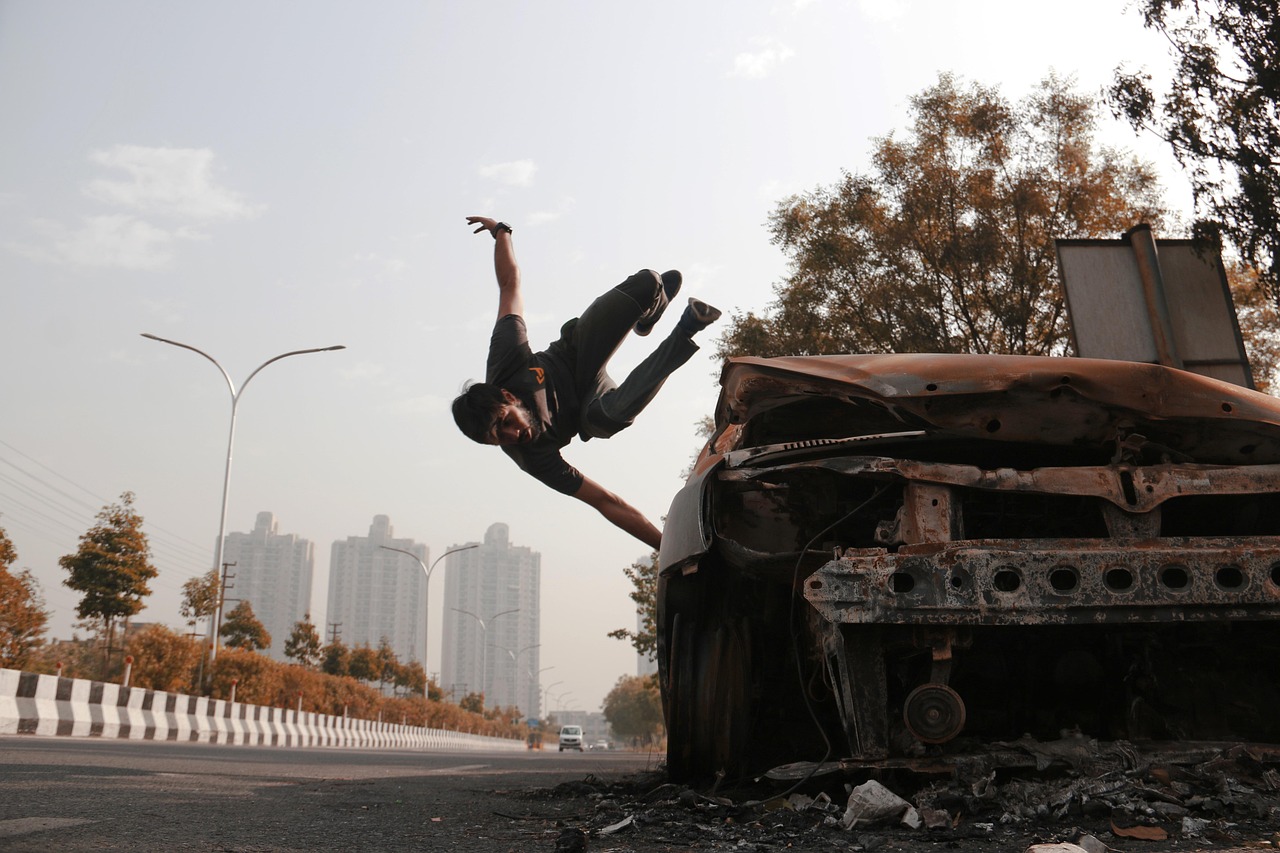
Parkour groups face numerous challenges, primarily rooted in safety concerns. Participants often engage in risky maneuvers that can lead to injuries if proper techniques are not mastered. It is crucial for anyone considering parkour training to fully understand safety measures. Adequate supervision is essential during practice sessions, especially for beginners. Implementing a structured program focusing on core safety principles can greatly reduce risks. Having trained instructors can enhance safety and ensure that all movements are performed correctly. Another challenge lies in finding appropriate locations conducive to training. Urban environments might provide ideal spots, but also pose risks of accidental injury or legal repercussions. Always scout locations to ensure they are safe and permissible for parkour. Additionally, injury prevention is equally important; proper warm-ups, cooldowns, and stretching routines help maintain physical well-being. Incorporating cross-training activities can build strength and agility while decreasing the likelihood of injuries. Groups should also foster a community culture emphasizing personal progress and mutual support. When challenges arise, encouraging group members to share experiences can build resilience and enhance team cohesion. Working together helps everyone face obstacles more effectively.”}, {
A significant barrier encountered by parkour groups is access to training facilities or structured environments. Unlike traditional gym environments, parkour usually requires more open spaces. With limited options, practitioners must often rely on public areas or makeshift settings, which can lead to issues like inconsistent surface quality. Uneven terrain presents a considerable challenge, affecting training effectiveness and safety. Groups should explore partnerships with local parks or recreational centers to establish designated training zones. Collaboration with community organizations can facilitate the creation of safe areas or specific events dedicated to parkour. Establishing relationships with these entities can secure necessary permits and help maintain relationships conducive to a long-lasting practice environment. Additionally, establishing an organized schedule for group sessions can maximize limited time shared in these spaces. Continuously working on improving and maintaining relationships can create better opportunities, while also fostering a sense of community. This strategy encourages more individuals to join classes or training sessions. Furthermore, highlighting the benefits of parkour can increase interest within the local community. Creating promotional materials showcasing both individual progress and group activities helps attract new members.”}, {
The Importance of Community Support
Community support plays a vital role in the sustainability of parkour groups. Building a network of enthusiastic individuals allows for shared resources, such as training tips, safety protocols, and motivational support. Engaging local enthusiasts through social media platforms can broaden outreach and visibility. It’s essential to create engaging content highlighting group activities and emphasizing the social aspect of parkour; this could amplify interest and attract newcomers. Additionally, participants can share personal progress stories and experiences on these platforms. Creating forums or online groups ensures that members can exchange ideas or discuss challenges faced during training. Moreover, community events, such as open training sessions or workshops, can foster a spirit of camaraderie. By inviting newcomers to attend these events, they can experience the exhilarating parkour environment firsthand. Regularly organized competitions, regardless of skill level, encourage participation and motivation. Celebrating achievements, no matter how small, cultivates a supportive atmosphere conducive to growth. Creating a culture of encouragement sustains member enthusiasm and commitment. Members feel valued and connected, fostering long-term involvement with the parkour group, ultimately contributing to its longevity.”}, {
Another major challenge faced by parkour groups is skill development and progression. While many beginners might be eager to learn advanced techniques, it is vital to emphasize a structured and gradual learning approach. Rushing into complex movements often leads to improper technique and increased injury risk. By implementing a progressive skill framework, members can master essential basics before advancing. Regular feedback from experienced instructors can significantly impact a practitioner’s growth. Encouragement from peers can also propel individuals to explore their limits. Organizations should also consider hosting workshops focusing on specific skills. Specialized training sessions can help improve particular areas while allowing for personalized feedback. Furthermore, inviting experienced practitioners can motivate members to push their boundaries and enhance learning opportunities. Documenting progress serves as both motivation and a reminder of individual growth. Sharing footage of improvements increases a sense of accomplishment and promotes the group. Encouraging all attendees to create personal goals during training fosters a spirit of self-improvement. Challenges may arise throughout this journey, but with focused effort and collective support, overcoming obstacles becomes more manageable, resulting in skilled, confident practitioners.”}, {
Addressing Financial Constraints
Financial constraints pose a significant challenge for many parkour groups. Unlike traditional fitness classes, parkour often necessitates unique training spaces or specialized equipment. Researching available grants or sponsorship options can help subsidize costs associated with projects aimed at establishing better training facilities. It is important for groups to prioritize transparency regarding financial needs. By communicating openly with members about potential expenses, funds, and plans, groups create a sense of community investment. Fundraising events, such as sponsored jumps or community showcases, can also generate income while raising awareness. Additionally, partnering with local businesses can yield mutually beneficial relationships—businesses gain visibility while groups secure support. Offering workshops or parkour classes to the public can present additional revenue streams. This approach not only serves as a potential income source but helps promote parkour to wider audiences. It is crucial to establish competitive pricing while ensuring accessibility. Creating tiered pricing structures based on member capabilities encourages wider participation; this fosters an inclusive environment. Being financially transparent can enhance overall group unity, empowering individuals to work together towards overcoming challenges.”}, {
Marketing and outreach considerations are essential for parkour groups to thrive. Establishing a strong online presence across social media platforms can greatly enhance visibility and interest. Regularly updating content that resonates with the target audience fosters interaction while creating a sense of loyalty among members. Sharing videos and images of exciting parkour tricks and group activities showcases expertise and attracts new participants. Collaborating with local influencers or fitness enthusiasts can broaden reach significantly; their endorsement can play a pivotal role in promoting group events or classes. Participating in local festivals or community events allows parkour groups to engage directly with potential members. Hosting interactive workshops during these events provides attendees a direct experience, showcasing parkour’s thrill and challenges. Additionally, strategic partnerships with schools or colleges can create opportunities for younger audiences to get involved in parkour. Presenting the benefits of parkour as a unique, engaging physical activity can spark interest among students. By crafting a targeted marketing strategy, groups can reach diverse demographics, ensuring growth and sustainability of a thriving parkour community. Remaining adaptable to the evolving interests of the audience is essential for continued success.
In conclusion, parkour groups face diverse challenges which can significantly impact growth and sustainability. By prioritizing safety and skill development, practitioners can build a solid foundation. Cultivating community support not only enhances camaraderie but also fosters resilience during difficulties. Addressing financial constraints through creative solutions, such as partnerships or fundraising initiatives, is essential for overcoming potential limitations. An effective marketing strategy tailored to the interests of the community can attract new members and promote group activities. Additionally, consistent focus on skill progression ensures that all individuals feel encouraged and valued. Implementing regular assessments and workshops allows everyone to evolve at their own pace while preventing stagnation. Creating an accessible, inclusive environment will cultivate long-term connections. Therefore, as parkour enthusiasts confront challenges head-on, they must remember that collaboration and community support serve as crucial elements in overcoming obstacles. The resilience built through shared experiences contributes to a stronger parkour community. When individuals unite to support one another, they pave the way for future generations of parkour practitioners, ensuring the longevity of this exhilarating movement. It is this very spirit of teamwork and motivation that will propel parkour groups towards greater heights.
Overall, embracing challenges and finding effective solutions will be the key to sustaining a thriving parkour culture. Collective effort and encouragement create a dynamic, energetic environment that can resonate with both practitioners and the public. As parkour groups navigate obstacles, the principles of safety, community, financial planning, and positive marketing will help propel their mission forward. The excitement and challenges that parkour provides are not merely physical; they encompass mental resilience and teamwork aspects. Future progress in this domain can be secured by embracing innovative approaches to problem-solving. Constantly evolving and adapting to new trends ensures that parkour remains relevant and exciting for all participants. The commitment to fostering an inclusive and welcoming environment will draw in diverse members, enriching the overall experience. Therefore, while challenges may persist, the ultimate goal of parkour groups is to inspire growth, creativity, and collaboration. With the right strategies in place, parkour can thrive as a unique form of fitness that captivates people from all walks of life, encouraging them to push beyond their perceived limits and achieve greatness.