
Cycling as a Low-Impact Workout for Aging Fitness Enthusiasts
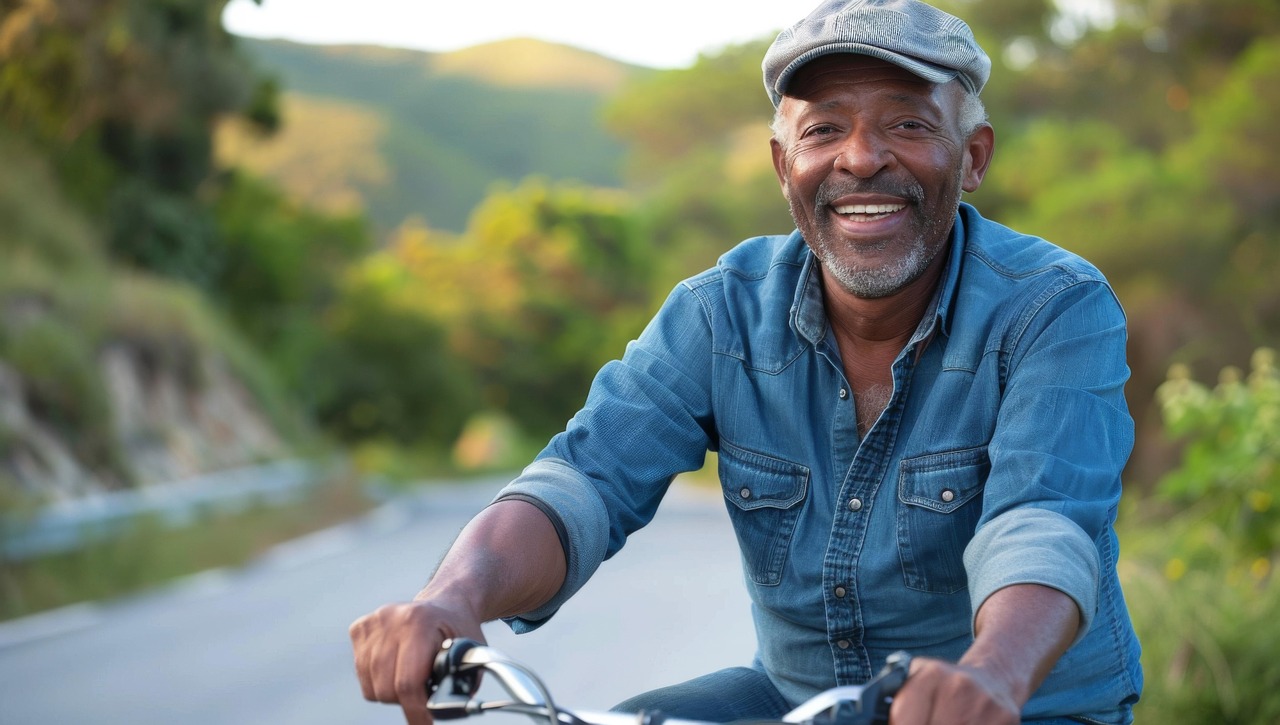
Cycling serves as a remarkable low-impact workout, particularly within the fitness and aging community. This activity promotes cardiovascular health while being gentle on the joints, making it an ideal choice for older adults. Engaging in cycling can help reduce the risk of chronic diseases such as diabetes, heart disease, and hypertension. For seniors seeking an effective way to maintain fitness levels, cycling can be both fun and beneficial. Additionally, those who may experience limitations or discomfort during traditional high-impact exercises can find relief and enjoyment in cycling. It’s important, however, to ensure that the bike is appropriately fitted to the individual’s body. Improper bike adjustments can lead to discomfort or injury. Invest in a quality bicycle with features that suit your needs, such as adjustable seats and handlebars. As you begin your cycling journey, consider starting with shorter distances and gradually building up the intensity. Joining local cycling clubs or community groups can also provide motivation and support while encouraging a social aspect to workouts. With cycling, aging fitness enthusiasts can embrace a healthy and enjoyable lifestyle.
Benefits of Cycling for Joint Health
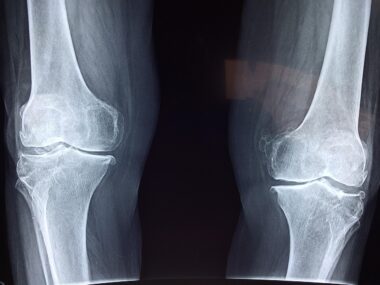
Cycling offers numerous benefits for joint health, particularly for aging populations. The gentle motion of pedaling facilitates blood flow to the joints without subjecting them to undue stress. This action helps in maintaining mobility and reducing stiffness, ultimately improving overall joint function. Regular cycling can contribute to strengthening the muscles surrounding the knees and hips, providing better support and stability. It’s essential to choose a bicycle that accommodates personal preferences and comfort levels. Consider opting for an electric bike if endurance or stamina is a concern, as they can assist in making rides easier. Moreover, incorporating cycling into daily routines can enhance flexibility and balance, two critical aspects for preventing falls among older adults. Additionally, cycling promotes mental well-being by releasing endorphins, which alleviate stress and anxiety. This combination of physical and mental advantages makes cycling an appealing low-impact workout. Track your progress, and celebrate achievements, big or small, to stay motivated. Online apps or fitness trackers can help monitor distance covered. As you commit to routine cycling, you will likely notice improvements in your joint health and overall fitness levels.
Engaging in cycling doesn’t necessitate extensive experience or advanced skills, which makes it accessible to most seniors. Whether cycling occurs indoors with a stationary bike or outside on scenic trails, you’ll notice essential physical and mental rewards. To maximize enjoyment and ensure safety during rides, it’s advisable to take a few preliminary steps. Begin by wearing appropriate gear, including a quality helmet for protection, and consider purchasing padded shorts for added comfort on long rides. Hydration is equally critical; ensure to take water bottles on rides, especially during warm weather. Balance is vital, too; therefore, aim to ride in safe, designated areas. Community parks often provide bike paths designed for enthusiasts of all skill levels. Additionally, exercise should never be performed in isolation; consider inviting friends or family members to join in cycling. Not only does this add a social element, but it can enhance accountability and motivation as well. Scheduling regular rides can create a habit that establishes a support network among participants. With these precautionary measures in mind, enjoy the freedom and exhilaration that cycling entails while prioritizing personal safety.
How to Get Started with Cycling
Starting a cycling routine is a straightforward process, especially for aging adults who wish to maintain or improve fitness levels. To begin, select a suitable bicycle that matches your needs and preferences. Options available include road bikes, hybrid bikes, and mountain bikes, each serving unique purposes. Visiting a local bike store can provide helpful guidance in selecting the right bike for you. Once the bicycle is acquired, familiarize yourself with its operation and settings. Start at a comfortable pace, aiming for short rides that last 15 to 30 minutes. Gradually increase duration and intensity based on personal comfort and stamina. Pair cycling with essential stretching exercises before and after rides to promote flexibility. Furthermore, setting realistic goals can enhance your motivation. Consider keeping a cycling journal to log distances, times, or feelings experienced during rides. This reflective practice helps recognize progress and can foster a sense of accomplishment. As conditions permit, check local cycling events or workshops that can facilitate connections with other enthusiasts. Always remember to listen to your body and consult a healthcare professional if necessary before initiating any new workout routine.
In addition to the physical benefits cycling offers, it can significantly enrich life by promoting emotional resilience. The act of cycling is often therapeutic, providing moments of tranquility and time to reflect. If biking outdoors, consider exploring picturesque landscapes or serene parks. The combination of physical activity with nature can uplift your mood and clear your mind. Furthermore, incorporating mindfulness during rides can magnify this effect; paying attention to the rhythm of your breath or the sensations experienced while pedaling can enhance the overall experience. Socializing during these rides can also amplify joy. Group rides can lead to friendships and broaden your support network, creating positive circles of influence. Regular gatherings not only enhance motivation but also provide unique opportunities to share experiences and tactics with fellow cyclists, resulting in a richer cycling experience. Consider organizing casual rides within your community, inviting everyone who has an interest in cycling. Group cycling events can foster camaraderie and facilitate friendships that extend beyond the biking circles. Ultimately, combining your physical fitness goals with social connections can significantly boost your overall well-being and happiness in life.
Conclusion and Embracing a Cycling Lifestyle
In conclusion, cycling emerges as a vibrant low-impact workout that caters exceptionally well to aging fitness enthusiasts. The multifaceted benefits encompass physical, mental, and emotional well-being, cultivating a holistic approach to health. As older adults engage in cycling, they can enhance cardiovascular endurance while preserving joint integrity, making this an ideal choice for long-term fitness retention. By starting tomorrow and setting manageable goals, you can achieve sustainable involvement in this invigorating activity. Over time, you may wish to explore diverse cycling environments, from local parks to long-distance trails. Consider incorporating varied routes or terrains, which can introduce excitement and challenges on your rides. Cycling is not merely a form of exercise but a lifestyle—a method to connect with nature, build resilience, and foster community. The adventure doesn’t need to end; those who embrace cycling often enjoy a lifetime of discovery and experiences related to this sport. Therefore, step onto your bike and savor each moment spent riding. Life’s journeys can thrive through cycling, encouraging continued engagement with fitness and fostering cherished memories along the way.
Finally, embracing cycling is a commitment to health that transcends age. You are never too old to start incorporating this low-impact activity into your daily routine. Over time, the health benefits of strengthening muscles, improving cardiovascular health, and enhancing mental clarity will speak volumes regarding the value of cycling. As with any fitness endeavor, patience and consistency will yield the best results. Look to your community for additional resources, whether it be local cycling groups, rehabilitation centers, or health fairs, which may offer specialized programs for seniors. Online forums and social media connections can also provide a supportive network of fellow cycling lovers. Festivities celebrating cycling culture are available in many areas, often including group rides, workshops, and bike expos. These platforms can serve as encouragement and motivational hubs while introducing new faces with shared interests. Keep your spirit high and focus on broadening your horizons. Cycling promises to enrich your life, bringing a sense of joy, freedom, and community as you navigate your path toward health and wellness.
Remember that the experience of cycling is as much about the journey as it is about exercise. Focusing on personal enjoyment will yield sustained habits. Consider creating a monthly cycling challenge or itinerary, where you set out to discover new paths around your city or countryside. This type of exploration can enhance both your appreciation for the environment and your physical fitness. Speak with family or neighbors about joining these rides to foster lasting memories and build relationships. Weather conditions can impact your plans, so always stay prepared with appropriate gear and contingency strategies for indoor cycling if needed. Keep in mind the importance of maintaining your bike, ensuring it is operating safely and properly for every ride. A little maintenance can go a long way in enhancing your cycling performance. With dedication and passion, cycling can evolve from a mere fitness routine into a cherished and lifelong hobby. The myriad benefits ensure that this low-impact activity continues to fulfill its promise of improving health, happiness, and overall quality of life as one ages gracefully. Cycling opens doors to endless possibilities that transform ordinary days into extraordinary adventures.