
How Wearable Devices Are Shaping Modern Sports Performance
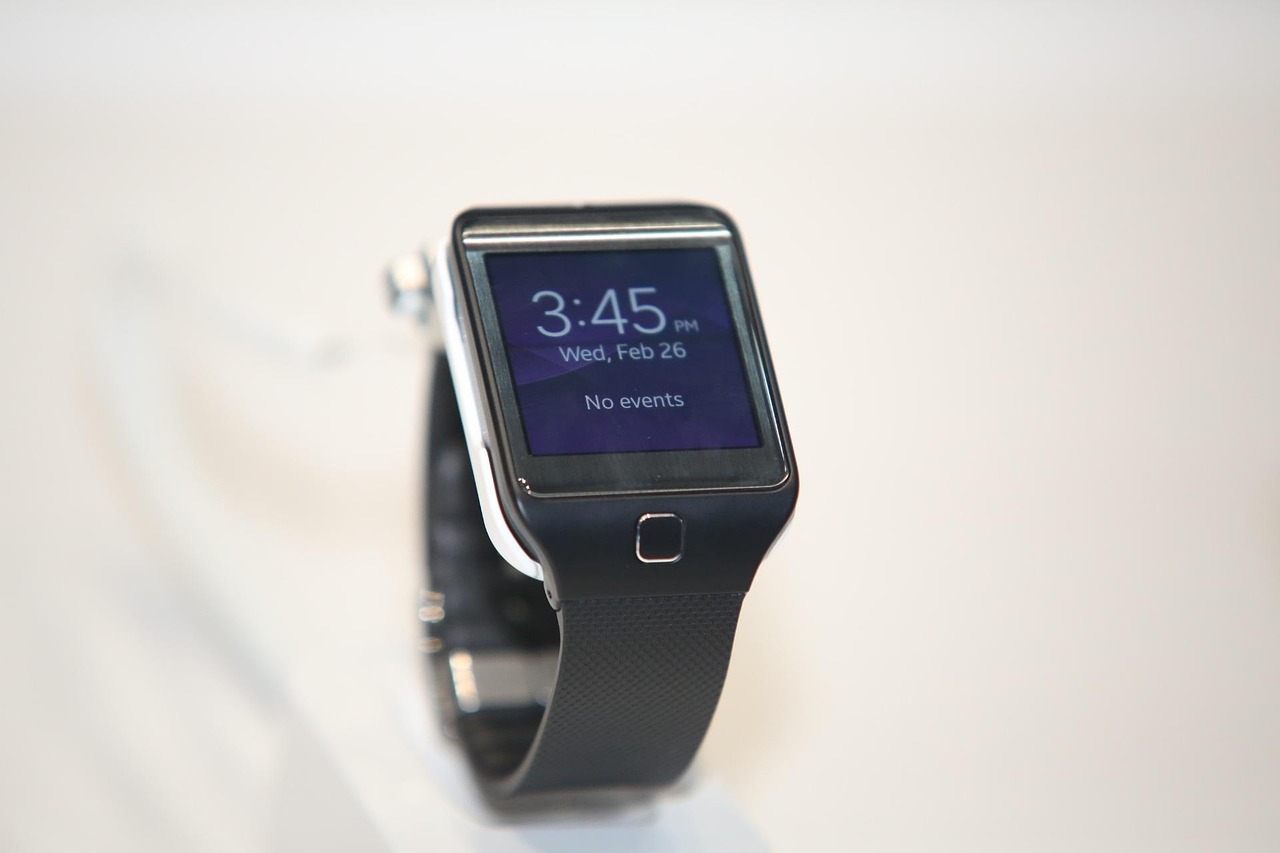
The integration of wearable devices in the fitness industry has significantly reshaped sports performance training. Athletes today utilize smart gadgets like fitness trackers and smartwatches to monitor their physical activities. These devices provide real-time data, allowing athletes to analyze their performance metrics meticulously. Personal performance metrics include heart rate, calories burned, distance covered, and more. Be it a weekend warrior or a professional athlete, the benefits of wearing these tools cannot be overstated. The ability to collect precise data instills a sense of accountability among users. For instance, knowing whether they’ve reached their daily run goal can motivate them to push harder. Plus, data can be easily shared with trainers and coaches for more tailored training programs. Emerging technologies, like GPS and motion sensors, enhance the capabilities of these devices, making them indispensable. Moreover, they promote health benefits beyond just fitness, helping athletes prevent injuries. There’s no doubt that as technological advancements continue to emerge, the role of wearable devices in sports performance will only grow stronger.
The development of wearable technology has not only made performance training more efficient but also created engaging and immersive experiences for athletes. Manufacturers focus on innovations to enhance user experience consistently. Custom app interfaces allow athletes to track their improvements visually. These improvements lead to stronger training regimens, which translates to better overall performance. Moreover, gamification elements integrate into these apps to create motivational aspects. Users can set personal goals or compete with friends, which enhances the training experience significantly. Such environments can foster both community and motivation, pushing users to aspire for excellence. Coaches can track and analyze collective data from their entire team, allowing for better strategic planning. In turn, these insights help refine training methods and improve sports performance accordingly. Studies indicate that athletes who utilize wearable technology can achieve their targets quicker. They can experience improved overall mental health since these devices foster progress tracking. As a result, athletes are not just training harder; they are training smarter and more effectively.
Health Monitoring and Injury Prevention
Another crucial role of wearable devices in sports performance training is health monitoring and injury prevention. They provide actionable insights about an athlete’s physical limits, helping users understand their bodies better. Tracking metrics like heart rate variability (HRV) can indicate when athletes need rest or are at risk of overtraining. With accumulated data, athletes can make informed decisions about their training intensity and recovery period. Metrics gathered from these devices enable athletes to identify early signs of potential injuries while providing data for recovery strategies. Understandably, this can dramatically reduce the chances of injury, which is crucial for longevity in any sport. More importantly, coaches can tailor training sessions based on real-time feedback, adjusting intensity levels when necessary. Additionally, wearable devices offer recovery algorithms that quantify optimal rest periods. This combination of tracking and analytics sets the foundation for sustainable athletics in various disciplines. Innovations like these contribute to a well-rounded approach to athlete wellness, merging training with health. Such evidence-based strategies can transform sports not only in performance but also in care.
The rise of user-friendly wearables has democratized access to advanced training tools, enabling athletes of all levels to utilize these technologies. Whereas wearable devices were initially confined to elite sports professionals, they are now accessible to recreational athletes and fitness enthusiasts. This accessibility means that anyone can monitor their workouts effectively and make adjustments as needed. Many brands provide budget-friendly options, ensuring that every athlete can find a device that fits their needs. These tools often feature mobile applications synced to track performance data seamlessly. With the data readily available, athletes can create personalized fitness plans based on their unique needs and goals. In addition, the continuous development of wearables includes improvements to battery life, design, and interactivity. Hence, more people are inclined to adopt these devices into their routine. Furthermore, schools and community programs increasingly embrace these technologies, allowing young athletes to learn the importance of tracking their fitness. As these trends continue, the role of wearables in shaping fitness journeys becomes even more important, steering the next generation of athletes towards informed performance.
The Future of Wearable Technology in Sports
As wearables evolve, we can expect even more sophisticated features that will further enhance sports performance training. Future devices may integrate simulated reality or AI algorithms to craft personalized training plans tailored specifically to individual athletes. Such innovations could revolutionize how training programs are created, shifting from generic structures to bespoke experiences. The incorporation of biomechanical assessments into wearable devices is another exciting development on the horizon. By analyzing movement patterns, athletes could receive alerts about posture or muscle performance, enhancing training efficiency. As data analytics continue to grow, the analysis of collective performance data can lead to significant advancements in sports science. This means not only improving individual performance but also potentially transforming coaching methods. In particular, data-driven science might redefine tactics, strategy, and even game rules. The enhancement and convergence of hardware and software will lead to smart ecosystems surrounding sports training. Also, collaborations among tech companies and sports organizations will further drive innovation, creating more opportunities for athletes of all backgrounds to excel.
Naturally, while wearable devices present numerous advantages and opportunities, certain challenges may arise that cannot be overlooked. The efficacy of training devices depends on proper usage; if athletes misuse or misunderstand these tools, they may lead to inefficient training outcomes. Furthermore, issues of data privacy and security are significant concerns that manufacturers must address transparently. Athletes’ health data can be sensitive, and companies will need to ensure robust security measures to protect user information. Educating users on data implications is equally essential to foster trust within the community. There’s also the risk of athlete over-reliance on technology, which may overshadow intrinsic motivation and intuition during performance. While data is invaluable, maintaining a balance between analytics and an athlete’s natural instinct is crucial. The future of wearable devices relies on careful integration into training regimens, respecting athletes as more than mere data points. Understanding that technology should enhance, not replace, the human element in sports is necessary for lasting success. These challenges must be addressed to ensure that wearables effectively contribute to advancing sports performance.
Conclusion
In summary, the significant role of wearable devices in sports performance training is impossible to ignore. Their capacity to collect, analyze, and inform users allows for enhanced training methods that cater specifically to individuals. By integrating health metrics, they create dynamic environments that prioritize overall wellness alongside performance. Accessibility to this technology has transformed the fitness landscape, encouraging all athletes to adopt these practices. Moreover, as manufacturers innovate, the landscape will likely continue to shift, pushing the boundaries of athletic training. The emphasis on personal collections of data and analytics will only serve to refine performance management further. Achieving optimal performance without risking injury or burnout drives the development of this technology. However, it is essential to navigate the challenges that accompany wearable technology carefully. By focusing on ethical standards, education, and maintaining the human elements, the future can be promising for athletes everywhere. The enduring partnership between devices and athletes will redefine training and performance in ways previously unimagined. Ultimately, wearables are shaping how we approach personal achievements in the world of sports.
How Wearable Devices Are Shaping Modern Sports Performance
The integration of wearable devices in the fitness industry has significantly reshaped sports performance training. Athletes today utilize smart gadgets like fitness trackers and smartwatches to monitor their physical activities. These devices provide real-time data, allowing athletes to analyze their performance metrics meticulously. Personal performance metrics include heart rate, calories burned, distance covered, and more. Be it a weekend warrior or a professional athlete, the benefits of wearing these tools cannot be overstated. The ability to collect precise data instills a sense of accountability among users. For instance, knowing whether they’ve reached their daily run goal can motivate them to push harder. Plus, data can be easily shared with trainers and coaches for more tailored training programs. Emerging technologies, like GPS and motion sensors, enhance the capabilities of these devices, making them indispensable. Moreover, they promote health benefits beyond just fitness, helping athletes prevent injuries. There’s no doubt that as technological advancements continue to emerge, the role of wearable devices in sports performance will only grow stronger.