
Breathing Exercises to Improve Energy Levels in Chronic Fatigue Syndrome
Chronic Fatigue Syndrome (CFS) can have a profound impact on energy levels and overall well-being. One effective method for managing symptoms involves regular breathing exercises. These exercises can help enhance oxygen intake, reduce stress, and improve overall mood. Implementing a routine focused on deep breathing techniques can lead to significant improvements in energy levels and may reduce feelings of fatigue associated with CFS. Individuals suffering from CFS often report an increase in mental clarity and physical stamina with consistent practice. Hence, incorporating these breathing strategies into daily life can pave the way for managing CFS symptoms more effectively and improve one’s quality of life. Regular breathing exercises can also be beneficial in promoting relaxation, allowing the body to recharge and recover from fatigue. In this blog, we will explore various breathing exercises that can help individuals with CFS feel rejuvenated. Specifically, we will discuss the importance of these exercises, methods to practice them, and potential benefits. Interested readers can take steps towards incorporating these practices into their routine to experience the positives of increased energy and reduced fatigue.
Understanding the Importance of Breathing Techniques
Breathing exercises play a vital role in managing Chronic Fatigue Syndrome symptoms. They facilitate efficient oxygen exchange, which is crucial for maintaining energy levels. Furthermore, these techniques can activate the body’s relaxation response, significantly reducing stress and anxiety. Stress is often a contributing factor to fatigue in individuals with CFS, thus managing it can result in increased energy. Engaging in simple breathing techniques not only calms the mind but also rejuvenates the body. For those dealing with chronic fatigue, establishing a daily breathing routine may foster substantial improvements in health over time. Most importantly, breathing exercises can be tailored to individual needs, making them accessible for everyone, regardless of fitness level. Easy-to-learn techniques can easily fit into busy schedules and do not require any special equipment. Participants can choose from a variety of methods, including diaphragmatic breathing and paced breathing. Trying different methods allows each individual to find what suits them best, maximizing the benefits of these breathing exercises. Consistency is key; regular practice will amplify the positive effects on energy and overall well-being.
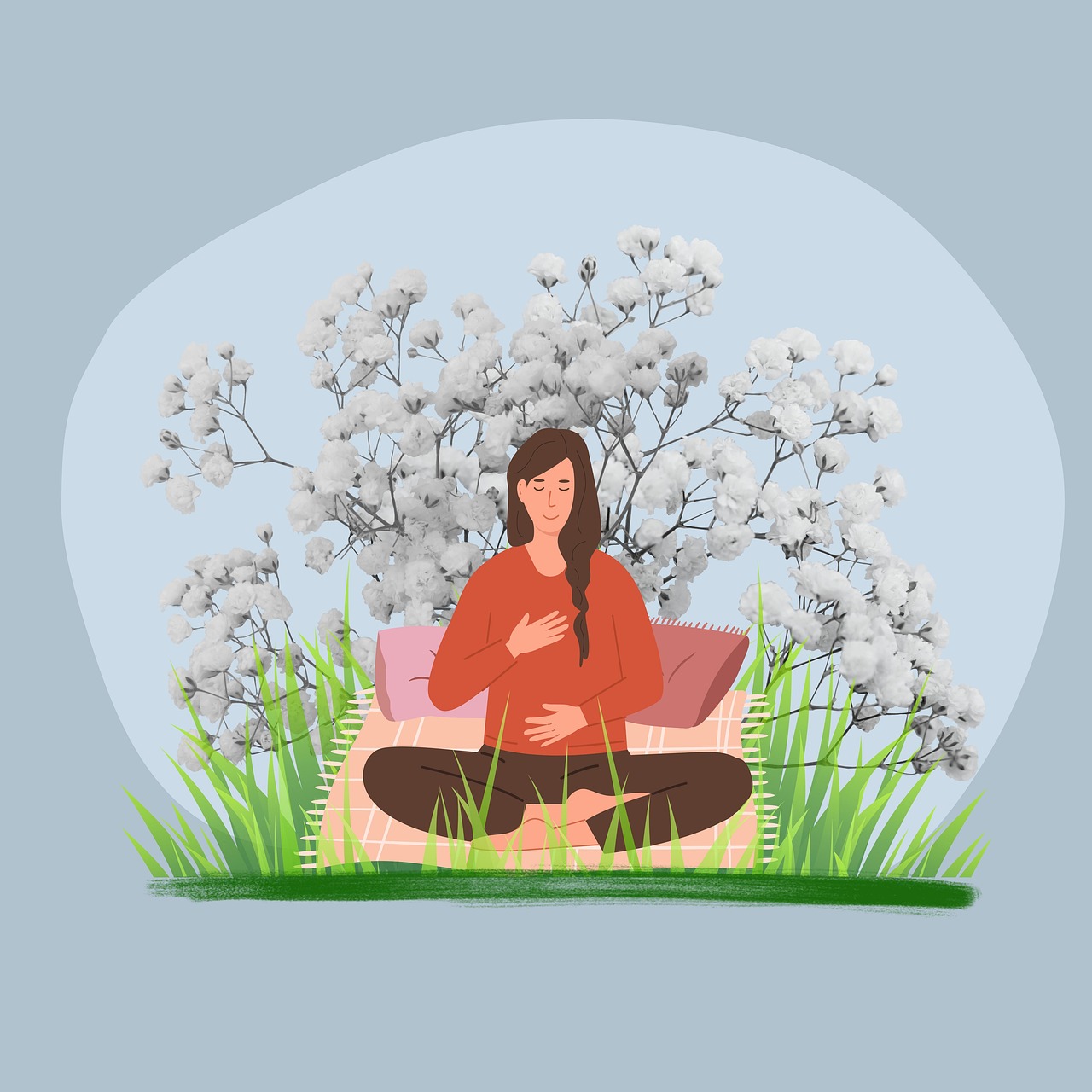
One popular breathing exercise is diaphragmatic breathing, beneficial for enhancing lung capacity. This technique involves inhaling deeply through the nose, ensuring the abdomen expands. Subsequently, exhale slowly through the mouth while contracting the abdominal muscles. This method encourages complete oxygen exchange, which can lead to improved energy and reduced fatigue symptoms. Practicing this exercise for around ten minutes daily can create noticeable improvements in overall wellness. Beginners can start by lying down comfortably, placing a hand on the abdomen, and focusing on controlled breathing. It’s essential to find a quiet space free from distractions to allow for deeper concentration. Over time, as comfort with this technique grows, individuals may incorporate it into various activities, such as walking or sitting at a desk. Diaphragmatic breathing can also serve as a tool during stressful moments, helping to alleviate tension. Regular practice has shown promise in enhancing not just energy levels, but also mood and mental clarity. For best results, coupling this technique with daily movement can amplify the benefits, making the body more resilient to fatigue associated with CFS and supporting a healthier lifestyle overall.
Introducing Alternate Nostril Breathing
Another effective technique for those with Chronic Fatigue Syndrome is alternate nostril breathing. This exercise helps balance energy levels while calming the nervous system, which can lead to improved focus and clarity. Individuals can practice this technique for several minutes each day to experience its numerous benefits. To perform alternate nostril breathing, sit comfortably and use the thumb and ring finger to alternate closing each nostril. Inhale slowly through one nostril, then switch to the other nostril for the exhale. This cyclical process promotes relaxation and rejuvenation. Studies have shown that individuals who engage in alternate nostril breathing may experience reduced anxiety and improved mood, leading to more productive daily activities. Incorporating this into a daily routine can help in managing symptoms associated with CFS. Practicing this exercise in the morning can reset energy levels for the day, while evening sessions may promote relaxation and sleep quality. The calming effects can extend beyond the practice itself, fostering a sense of well-being that supports overall health and vitality. The simplicity of this exercise allows individuals to utilize it anywhere, ensuring consistent practice and results.
Progressive muscle relaxation combined with deep breathing can also greatly assist individuals with Chronic Fatigue Syndrome. This combination technique helps relieve tension in the body while focusing on breath control. During this exercise, individuals systematically tense and then relax various muscle groups while maintaining deep, slow breaths. This practice invites a greater awareness of physical sensations and promotes relaxation, which can subsequently enhance energy levels. Start by finding a comfortable position, either sitting or lying down. Begin with toes and work upwards through the body, tensing each muscle group before allowing them to relax fully. It’s vital to synchronize this with deep breathing, inhaling deeply while tensing muscles and exhaling as they relax. By doing so, participants cultivate a strong connection between their breath and muscle tension, helping release pent-up stress. This technique not only reduces fatigue but also enhances emotional recovery by renewing mental focus and uplifting mood. Regular practice, especially before bedtime, can improve sleep quality, which is often compromised in CFS patients. The combination of deep breathing and progressive muscle relaxation is an effective way to nurture both mind and body.
Mindful Breathing for Enhanced Well-Being
Mindful breathing, which entails focusing on the breath and the present moment, serves as another beneficial exercise for energy improvement. Through maintaining attention on breathing patterns, individuals can alleviate anxiety and build resilience against fatigue. This practice encourages an awareness of thoughts and feelings, promoting emotional regulation, essential for navigating the challenges of Chronic Fatigue Syndrome. Implementing mindful breathing into your routine can be simple; set aside a specific time each day dedicated to focusing solely on breath. Start by finding a quiet and peaceful environment where distractions are minimal. Then, notice the rhythm of your breath, inhaling and exhaling naturally without forcing any specific pattern. Gradually, you may integrate visualizations or positive affirmations related to energy and vitality, enhancing the experience further. Mindful breathing can help create a positive feedback loop—reducing stress lowers fatigue, which encourages more sustained energy throughout the day. This natural approach fosters a greater sense of connection with oneself and can be especially empowering for those experiencing chronic conditions. Regular practice may bring enduring benefits and can enhance resilience over time.
Lastly, practicing yoga breath, or Pranayama, can yield impressive benefits for individuals with Chronic Fatigue Syndrome. Incorporating systematic breathing patterns and yoga postures complements physical health and emotional well-being. Pranayama techniques vary from simple breath awareness to more advanced practices that involve specific breathing methodologies. One accessible technique is ‘Sama Vritti’ or equal breathing, where inhalations and exhalations are of equal length. This method calms the nervous system and enhances focus, perfect for combating fatigue and stress. To practice, count your inhalation and exhalation for a fixed duration, such as four counts each; gradually increase the duration as proficiency develops. Practicing this alongside gentle yoga postures can amplify relaxation, flexibility, and energy levels. By doing so, participants may slowly build their stamina and vitality, directly addressing CFS symptoms. Incorporating these techniques into a weekly routine can promote gradual improvements, enhancing life quality and overall health. Whether practiced in dedicated sessions or integrated into daily life, yoga breath provides an excellent way for supporting mental and physical well-being.
In summary, breathing exercises hold great promise for individuals managing Chronic Fatigue Syndrome. With dedication and consistency, these practices can boost energy levels, promote relaxation, and enhance overall well-being. Whether practicing diaphragmatic breathing, alternate nostril breathing, or yoga breath, individuals can tailor their routines to meet unique needs. These techniques are not only simple but also accessible, making them ideal for individuals with CFS. By integrating these practices into daily life, it is possible to facilitate a deeper connection with the mind and body while alleviating fatigue symptoms. No matter what methods you choose, the crucial point is to commit regular time toward breathing exercises for optimal results. When practiced intelligently, breathing techniques can change the course of dealing with Chronic Fatigue Syndrome. Over time, individuals may find themselves experiencing improved energy and enhanced emotional well-being. As a result, they will see an increased capacity to engage in daily activities, fostering a positive outlook on life. By prioritizing breathing exercises, the chronic fatigue experience need not define individuals. Taking proactive steps can empower them to reclaim vitality and quality of life.