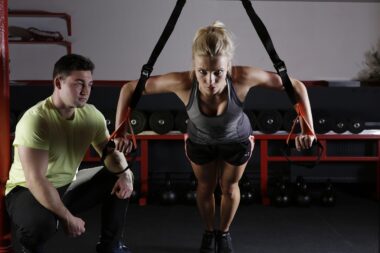

The Importance of Breathing Techniques in Bootcamp
Breathing techniques are crucial for anyone participating in bootcamp training, as they enhance performance, increase endurance, and improve overall results. Learning how to breathe effectively allows individuals to maximize their oxygen intake, which is essential during intense workouts. Proper breathing techniques can help reduce fatigue, enabling participants to push through challenging sets and maintain stamina throughout their sessions. Furthermore, focused breathing can assist in regulating heart rates, leading to a more efficient cardiovascular response during training. By refining these techniques, bootcampers can expect greater improvements in strength and agility over time. Additionally, incorporating breathing exercises before and after workouts can help promote relaxation and recovery. These practices create a balance between excitation and calmness which is essential in high-intensity training environments. Bootcamp participants should prioritize developing their understanding of this vital component, as it can significantly impact their overall experience and performance. Ultimately, breathing techniques will contribute to achieving personal fitness goals and making the journey through bootcamp training enjoyable and rewarding. In this article, we will explore various ways breathing techniques can elevate both performance and training satisfaction. Stay tuned for practical advice on improving these essential skills in your routines.
Benefits of Proper Breathing Techniques
Implementing proper breathing techniques during bootcamp training offers numerous benefits for individuals at all fitness levels. For starters, effective breathing improves the supply of oxygen to working muscles, allowing for better performance during high-intensity workouts. Oxygen is essential to fuel the body, especially during vigorous exercises, enhancing endurance and preventing early fatigue. Regular practice of focused breathing ensures that individuals maintain an optimal heart rate and blood pressure, crucial for overall cardiovascular health. Beyond physical benefits, proper breathing techniques significantly enhance mental focus and clarity. Participants often find that concentrating on their breath helps reduce anxiety and promote a positive mindset, leading to a more enjoyable training experience. Additionally, mastering breathing techniques can facilitate quicker recovery times between workouts, allowing participants to maximize their training sessions efficiently. This is particularly important in bootcamp settings where high-intensity workouts are the norm. Furthermore, improved breathing helps to increase lung capacity over time, leading to long-lasting benefits beyond the confines of the bootcamp environment. By prioritizing proper breathing techniques, trainees can create a solid foundation for physical and mental success and optimize their bootcamp training effectiveness.
In bootcamp training, there are several techniques that participants can practice to enhance their breathing. One effective method is diaphragmatic breathing, also known as belly breathing. This technique involves engaging the diaphragm fully, allowing for a deeper intake of oxygen and better expulsion of carbon dioxide. To perform this method correctly, individuals should place one hand on their chest and the other on their abdomen. When breathing in, the abdomen should expand, while the chest remains relatively still. This promotes greater lung capacity and ultimately improves overall performance. Another technique is the 4-7-8 breath, which is particularly useful for maintaining composure during intense workouts. In this method, participants inhale for four counts, hold their breath for seven counts, and exhale for eight counts. Practicing this technique can enhance endurance and help manage stress levels during challenging exercises. Incorporating these styles into bootcamp sessions can provide immediate benefits and long-term improvements in overall fitness levels. By diversifying breathing techniques, participants can find the methods that resonate best with their personal training routines and incorporate them effectively.
Incorporating Breathing Techniques in Workouts
To successfully integrate breathing techniques into bootcamp training, individuals should focus on mindfulness and intentionality during their workouts. One effective approach is to designate specific moments throughout a training session where participants consciously apply different breathing techniques. For example, before starting strength exercises, participants can take a few moments to engage in diaphragmatic breathing, setting a positive tone for the workout. Similarly, during rest periods, individuals can utilize the 4-7-8 technique to recover both physically and mentally. This practice helps lower heart rates while maintaining focus on upcoming sets or challenges. Moreover, trainers can guide their participants by incorporating breathing cues during workouts. For instance, instructors could remind trainees to exhale during exertion and inhale during recovery phases. Creating a consistent framework for implementing breathing techniques into training routines ensures that participants develop these skills over time. Furthermore, individuals can keep track of their breathing patterns by maintaining a training journal or using fitness apps. Progress tracking fosters awareness and motivation, leading to continued improvement and refinement of these skills. Over time, trainees will notice the transformation their breathing bears on their overall performance and enjoyment of bootcamp training.
Another avenue to explore in mastering breathing techniques is the importance of posture during bootcamp training. Proper posture facilitates optimal lung function, allowing for better oxygen intake and carbon dioxide expulsion. Bootcampers should pay attention to their alignment when performing exercises, optimizing their body’s ability to breathe efficiently. Standing or sitting tall ensures that the diaphragm can expand fully, while slouching can restrict lung capacity, ultimately impacting performance. To foster good posture, participants can engage in core strength exercises that promote stability in the abdomen and lower back. A stronger core leads to improved posture, enabling better breathing. Furthermore, stretching exercises also play a pivotal role in enhancing posture and overall breathing. Incorporating dynamic stretching routines focusing on the shoulders, chest, and spine helps to open up the upper body, contributing to better oxygen flow. In addition, yogic practices that emphasize breath control aid participants in developing their overall awareness of breathing. This holistic approach enables bootcamp trainees to optimize their training experience, leading to enhanced stamina, strength, and mental clarity, all essential components necessary for accomplishing their fitness objectives and pushing past their limits in the bootcamp environment.
Practical Tips for Breathing During Bootcamp Sessions
When participating in bootcamp sessions, there are several practical tips to enhance the effectiveness of breathing techniques. First, participants should commit to practicing these techniques during warm-ups. Engaging in focused breathing exercises at the start of each session sets a positive tone and aids in building awareness before entering more intense workouts. Second, maintaining a proper rhythm throughout the training is essential. As individuals become accustomed to their breathing patterns, they will learn to synchronize their breath with repetitive physical movements. For instance, exhaling during the exertion phase—like lifting weights—allows for better performance and control over the movement. Additionally, utilizing breathing during cool-downs significantly aids recovery. Participants should engage in deep, restorative breaths post-workout, which helps return the heart rate to normal levels and reduces muscle soreness in the following days. Lastly, visualizing breath as a source of energy can propel motivation during challenging sets. By internalizing this mindset, participants will harness their breath, ultimately unlocking potential, achieving their fitness goals, and receiving the benefits of bootcamp training.
In conclusion, understanding and mastering breathing techniques in bootcamp training is paramount for achieving overall success and satisfaction. Participants who prioritize this aspect of their training will experience enhanced physical performance, improved mental clarity, and faster recovery times. Consequently, these benefits lead to increased motivation and a more enjoyable training experience. Furthermore, integrating various breathing styles into daily routines fosters adaptability, allowing participants to tailor their breathing practices to suit different workout conditions. However, the key lies in consistent practice and building awareness around breath control. As bootcampers become more mindful of their breathing, they will notice a profound impact on their overall approach to fitness, transcending beyond just the physical aspects. Importantly, trainers and participants alike should continually communicate and share experiences surrounding breathing techniques. This collaborative approach will contribute to a supportive atmosphere in bootcamp classes, fostering a culture of growth and understanding. Ultimately, breathing techniques are not just an accessory to bootcamp; they are fundamental to each athlete’s training journey, fostering resilience, endurance, and a sense of accomplishment as they strive for their fitness goals.
Incorporating breathing techniques into bootcamp training sessions can elevate participants’ overall wellness and performance. Breathing is often overlooked, yet it serves a critical role in workouts. Trainees should consider implementing these techniques into their routines, fostering a deeper connection between mind and body. By doing so, they will undoubtedly enhance their fitness journey and reap the rewards of consistent practice. As bootcampers strive to unlock their full potential, the importance of mastering appropriate breathing cannot be overstated. Not only does it promote physical efficiency, but it also enhances the overall experience. Participants who prioritize this aspect of their regimen will see noticeable differences in their performance, energy levels, and overall well-being. Sharing knowledge about breathing techniques with fellow bootcamp members will further contribute to a supportive community. As individuals collaborate, they can learn together, adopt best practices, and create a positive environment focused on growth. In essence, breathing techniques are invaluable tools that empower bootcampers to rise to new challenges and conquer their goals with confidence. Embracing these practices will undoubtedly transform not only their training but their overall approach to fitness.