
Dynamic Warm-Up Routines to Prepare for Skill Workouts
A comprehensive dynamic warm-up routine is essential when preparing for CrossFit skill workouts. Effective warming up ensures your muscles and joints are primed, reducing the risk of injury and enhancing performance. Start with light cardiovascular activity, such as jogging or jumping jacks, for around five minutes to increase heart rate. Following this, engage in dynamic stretches focusing on the major muscle groups used during your workouts. Incorporate movements like leg swings and arm circles to activate the key areas needed for skill training. Utilizing functional movements, like inchworms and lunges, helps to develop the stability and mobility needed for complex skills. Gradually increasing the intensity during the warm-up prepares your body for higher exertion during skills practice. Additionally, consider incorporating sport-specific drills to further tailor your warm-up to the skills you’ll be practicing. Engaging both the upper and lower body in warm-up routines allows for balanced preparation. Always remember to listen to your body and adjust the routine as necessary to suit your personal preparation needs. A proper warm-up routine is both an art and a science, ensuring that you remain healthy while maximizing your skill development.
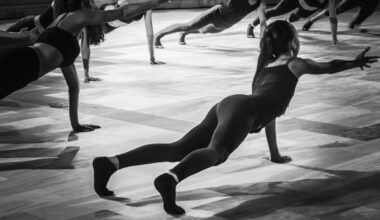
One effective and simple warm-up routine comprises a series of dynamic movements designed to promote blood flow and flexibility. Begin with leg swings forward and backward; do 10 to 15 swings for each leg. This movement aids hip mobility, a crucial component for many skill movements. Next, incorporate arm circles, increasing the diameter for added range. Aim for a minute of continuous motion, alternating directions. Following this, perform high knees, marching or jogging in place to activate the core and improve cardiovascular readiness. Afterward, find a comfortable position and do inchworms; start standing, then reach out into a plank position before returning to standing. This not only warms up your shoulders but also your hamstrings. Another great addition is the world’s greatest stretch, involving alternating lunges with a reach. Spend approximately a minute on each side to invigorate hamstrings, hip flexors, and lower back. Wrap up your routine with lateral lunges to activate the inner thighs, crucial for maintaining stability during various exercises. This sequence will elevate your heart rate, ensure proper joint secretion, and prepare you mentally for the challenging skill workouts ahead.
The Importance of Mobility in Skill Development
Mobility is integral to both dynamic warm-ups and skill development in CrossFit. Limited mobility can significantly hinder performance and increase the likelihood of injury. Therefore, it is imperative to not only include dynamic stretches in your warm-up but to allocate separate practice time for improving mobility. Focus on areas that require more attention, such as the hips, shoulders, and thoracic spine. Incorporating mobility drills, like foam rolling and targeted stretches, can promote flexibility. For instance, use a foam roller on your quads, calves, and shoulder areas to engage myofascial release. This technique prepares the muscle tissue to engage more effectively during workouts. Additionally, implement mobility-focused exercises such as deep squats and shoulder dislocates using resistance bands to improve joint mobility. Prolonged static stretching post-workout is also beneficial for recovery and maintaining flexibility. It is crucial to educate yourself about common mobility issues in your body and seek professional guidance when needed. Understanding your limitations will vastly improve not only your warm-up routine but also every aspect of your CrossFit experience.
Bodyweight movements serve as excellent preparatory exercises during your warm-up, building the necessary strength and coordination needed for skill training. Inclusion of movements like push-ups and bodyweight squats can significantly impact your muscle activation. Start with a set of push-ups; these target the chest, arms, and core, essential for most upper body skills. Aim for 10 to 15 repetitions, maintaining a controlled movement to engage the necessary muscles effectively. Transition to bodyweight squats focusing on form; this exercise strengthens your lower body, aiding in power and stability. Another valuable bodyweight movement is the plank, which engages multiple muscle groups, particularly the core. A strong core plays a critical role when performing many CrossFit skills. Additionally, consider integrating burpees into your warm-up; they elevate the heart rate whilst recruiting a variety of muscle groups. Interspersing these movements helps maintain your heart rate while ensuring muscle readiness. Always focus on form and quality over quantity, making sure every repetition serves its purpose. These bodyweight movements will complement your dynamic stretching routine enhancing overall warm-up quality.
Cool Down and Post-Workout Considerations
Equally important to warm-ups are the cool-downs after intense skill workouts. Cooling down helps transition your body from a high exertion state back to rest. It benefits recovery and can alleviate muscle soreness. Start with light jogging or walking for several minutes to allow your heartrate to gradually return to normal. Following this, integrate static stretching focusing on the muscle groups used during the workout. Hold each stretch for 15 to 30 seconds, bringing added focus to your hips and shoulders. This post-workout stretch aids in reducing tightness, greatly improving flexibility over time. Incorporating breathing exercises can enhance relaxation, fostering a sense of calm during the recovery phase. These practices not only benefit physical recovery but also stability in mental health, allowing for effective re-energizing of the mind. Pay attention to hydration and nutrition to further enhance your recovery post-workout. Proper post-exercise nutrition aids muscle repair and replenishment of energy levels. Consider consuming a protein-rich snack within an hour post-workout to promote muscle recovery. Building these recovery habits complements your dynamic warm-up and exercise routines significantly.
Adapting warm-up routines based on specific skill workouts showcases the importance of customization. Not every skill requires the same type of warm-up, so understanding your workout will help tailor your routine effectively. For instance, when preparing for heavier lifts, integrating movements like overhead presses or snatch grip deadlifts in your warm-up underscores the muscles engaged during the workout. A tailored approach can maximize performance while minimizing potential injury. For gymnastics skill days, focus on shoulder mobility and dynamic stretches that emphasize body awareness. Practicing handstands or cartwheel drills can also be helpful during warm-ups for increased neuromuscular coordination. Always stay updated with your strengths and weaknesses, adjusting warm-up intensity and focus as needed. Engage with experienced CrossFitters or trainers to glean insight into further customizing your pre-workout routine. Utilizing various techniques keeps your warm-up engaging while ensuring comprehensive credit to all areas of development. This dedicated approach enables athletes to achieve their goals while enhancing comfort during skill work. With experience, consistency in these dynamic warm-ups leads to improvements in performance and overall proficiency in CrossFit.
Conclusion
A well-structured dynamic warm-up routine is vital for CrossFit skill development. Through incorporating cardiovascular movements, dynamic stretches, and targeted skill-specific drills, athletes can create an environment conducive to performance enhancement. The principles outlined will not only improve muscle flexibility but also address core stability and joint mobility, thus enhancing overall skill aptitude. Prioritizing individualized warm-up routines allows athletes to remain attuned to their body’s requirements and adapting to specific workouts as necessary. Post-workout recovery practices ensure that physical and mental fatigue are appropriately addressed, providing a well-rounded approach to CrossFit. Combining warm-ups and cool-downs creates holistic preparation leading to improved athletic performance. Athletes should prioritize their warm-up and cool-down as crucial components of their training, embracing their effects on long-term fitness and injury prevention. Empirical evidence supports the importance of warm-ups, leading to enhanced durability and resilience over time. As such, mindful practice of warming up and cooling down will cultivate a richer experience within the CrossFit community. Ultimately, the journey towards skill mastery is forged through dedicated practice and understanding the importance of warming up correctly.
As a final note, maintaining a documented warm-up routine can provide significant benefits. Recording your warm-up intensity, duration, and the specific movements you engage in can guide future workouts, offering systematic improvements. It assists in identifying strengths and weaknesses throughout your athletic journey. Regularly reflecting on your progress and adapting your routine can lead to breakthroughs in performance. Embrace the process of growth within each workout, recognizing that dynamic warm-ups play a pivotal role in your overall CrossFit experience.