
Pre-Workout Nutrition Considerations for Vegetarians
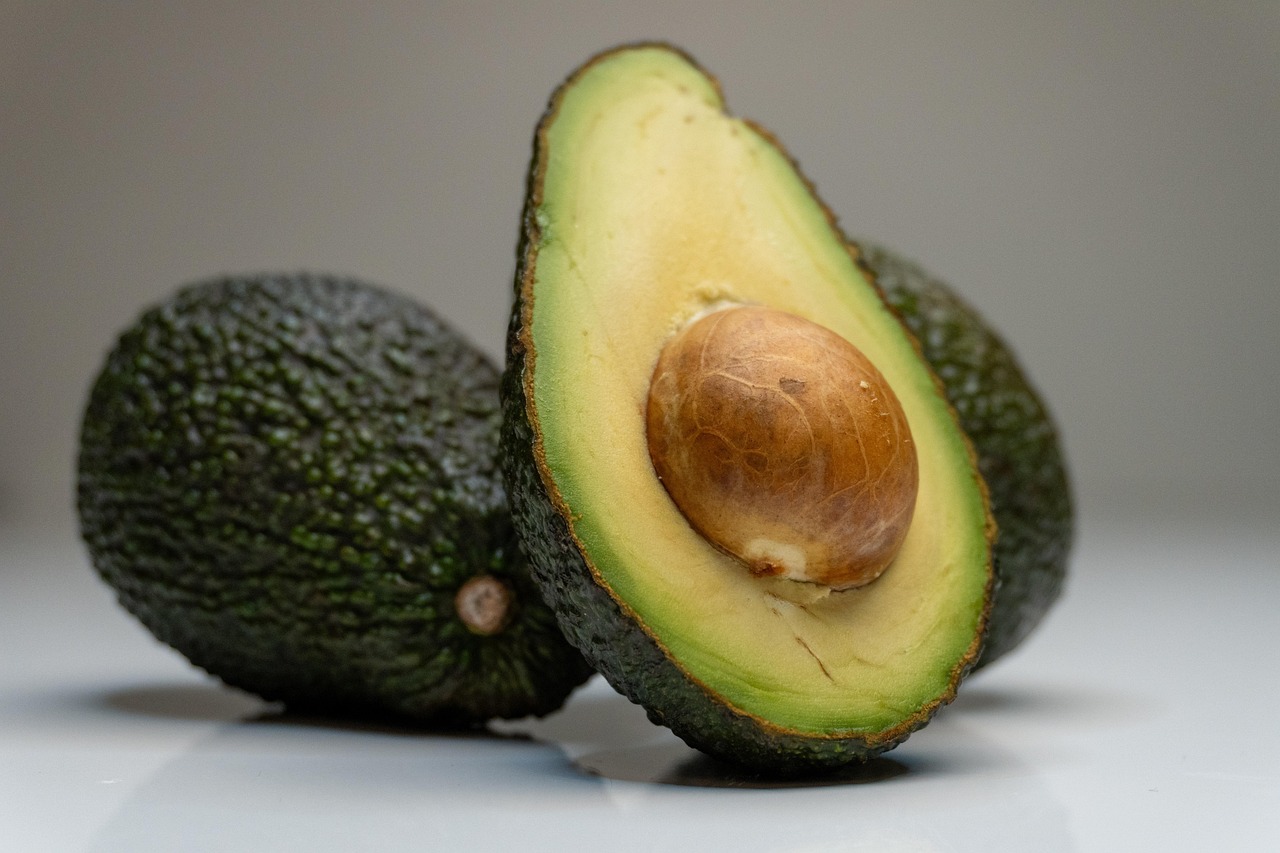
Pre-workout nutrition plays a crucial role in optimizing performance, particularly for vegetarians. Many individuals believe that plant-based diets can impede energy levels, but this doesn’t have to be the case. With proper planning, vegetarians can fuel their workouts effectively. First and foremost, focusing on carbohydrates is essential. Carbs serve as the primary energy source, so incorporating whole grains, fruits, and vegetables is key. Examples include oatmeal, bananas, and sweet potatoes. Additionally, incorporating healthy fats, like avocados and nuts, can provide sustained energy throughout the workout. Proteins should not be overlooked, as they assist in muscle repair. Vegetarian sources of protein include legumes, tofu, and quinoa. Furthermore, staying hydrated before a workout can improve performance significantly. Water or electrolyte drinks can help maintain optimal fluid levels. Lastly, considering the timing of nutrient intake is vital. Aim to consume a balanced snack or meal approximately 30 to 90 minutes before exercising. By prioritizing the right nutrients and timing, vegetarians can enjoy improved athletic performance without compromising their dietary choices. Pre-workout nutrition, when executed well, empowers vegetarian athletes to perform at their best.
Another important aspect of pre-workout nutrition for vegetarians is the incorporation of micronutrients. Micronutrients, primarily vitamins and minerals, are vital for maintaining overall health, especially when engaging in rigorous physical activity. For instance, iron and calcium are particularly significant for vegetarians, as these nutrients can sometimes be low in plant-based diets. Consuming iron-rich foods such as lentils, spinach, and fortified cereals is recommended. To enhance iron absorption, pairing these foods with vitamin C-rich sources—like citrus fruits—can be beneficial. Additionally, calcium is vital for muscle function and bone health. Dairy products like yogurt or fortified plant-based milk can help meet calcium needs. Including a variety of colorful fruits and vegetables ensures that you obtain sufficient antioxidants, which combat oxidative stress caused by intense exercise. Moreover, consider supplementing with a multivitamin to fill potential gaps in nutrients. This practice can also be useful if you have specific dietary restrictions. Ultimately, paying attention to micronutrient intake is vital for vegetarians looking to optimize their pre-workout nutrition and support overall health and performance.
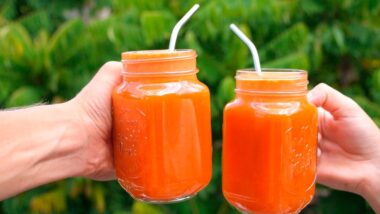
In addition to macronutrients and micronutrients, pre-workout hydration is another key component to consider for vegetarians. Proper hydration ensures optimal physical performance and can prevent fatigue. Water is the most common and convenient way to hydrate, but it’s not the only option. Electrolyte-rich beverages may be beneficial during longer workouts or intense training sessions. Vegetarians can opt for natural electrolyte sources such as coconut water or make homemade electrolyte drinks using fresh fruit juices and water. Aim for adequate hydration before training, ideally drinking water throughout the day and consuming an additional cup 30-60 minutes before exercise. It’s essential to listen to your body and adjust fluid intake based on activity level and environmental conditions, such as heat or humidity. Dehydration can lead to decreased performance, increased risk of injury, and longer recovery times. Moreover, during high-intensity workouts lasting more than an hour, consider consuming electrolyte drinks during exercises to sustain performance. By prioritizing hydration, vegetarians can maintain their energy levels and enhance their overall physical performance while adhering to their dietary preferences.
Finally, it’s crucial for vegetarians to personalize their pre-workout nutrition based on individual preferences, needs, and goals. One individual’s dietary plan might not work for another, as various factors such as body composition, workout intensity, and personal tastes play significant roles. Experimenting with different foods and timings can help identify what works best. For example, some may thrive on a small snack of fruit and nut butter, while others may prefer a more substantial meal. Using a food diary can provide insight into how certain foods impact performance and recovery. Don’t hesitate to adjust portions to match energy levels needed for specific workouts. Planning pre-workout meals can involve trial and error, so patience and flexibility are essential. Additionally, vegetarians should avoid heavy, greasy, or high-fiber foods close to workout times, as they can lead to discomfort. A combination of quick-digesting carbohydrates and easily absorbable proteins is often ideal. By customizing pre-workout nutrition strategies, vegetarian athletes can find their optimal fueling approach and achieve their fitness goals effectively.
Common Pre-Workout Meals for Vegetarians
Understanding which foods to consume before workouts can greatly affect your performance, especially for vegetarians who may have unique nutritional needs. Some popular pre-workout meal options for vegetarians include smoothies made from fruit, spinach, and a protein source like pea protein powder. Another option is whole grain toast topped with almond butter and banana slices, offering a perfect balance of carbohydrates and healthy fats. Greek yogurt with berries is a quick snack that delivers protein, antioxidants, and carbohydrates to boost energy levels. Whole grain wraps filled with hummus, lettuce, and sliced veggies present a convenient and nutritious meal. If time permits, a plate of brown rice and black beans offers excellent carbs and proteins. It’s essential to consider how these meals impact digestive comfort during workouts. Consuming substantial meals too close to exercise can lead to sluggishness. Therefore, eating smaller, easily digested meals or snacks can enhance performance. By experimenting with these meal options, vegetarian athletes can find what works best for their bodies and energy levels pre-workout.
Furthermore, vegetarians should be mindful of their food choices when preparing for workouts. Fast-digesting carbohydrates can be particularly effective as pre-workout fuel. Foods high in glycemic index, such as white rice or fruit, can provide a quick energy source, especially if consumed shortly before exercise. Alternatively, incorporating protein shakes or energy bars can aid in an immediate protein boost. For better performance, consider selecting snacks or meals that contain a mix of carbs and proteins. This combination not only delivers energy but also begins muscle recovery sooner. Taking into account personal preferences can help maintain enthusiasm in meal preparation. Meal prepping may offer convenience, ensuring that nourishing options are on hand when needed. Variety is key to avoiding dietary burnout and keeping meals exciting. Adapting pre-workout nutrition strategies can support optimal energy levels and overall athletic performance for vegetarians, helping them achieve their fitness goals effectively. With the right knowledge and planning, vegetarian athletes can enjoy the benefits of tailored pre-workout nutrition just like any other athlete.
Moreover, it’s essential to properly observe how different pre-workout foods affect your performance. Keeping a workout journal can be an effective tool to track food intake, along with workout results. This approach provides insights into what specific foods help or hinder performance. Observing patterns over time allows vegetarians to adapt their pre-workout nutrition accordingly. Also, being aware of any food sensitivities or allergies is crucial in maintaining a healthy and balanced diet. For those with lactose intolerance, exploring dairy alternatives such as almond or soy yogurt can be beneficial. Additionally, consulting with a nutritionist or dietitian can provide personalized guidance tailored to individual preferences and performance goals. Having expert advice can assist vegetarians in discovering new food combinations and optimizing nutrient timing. Understanding their bodies’ responses to various foods enables vegetarian athletes to reach their peak potential and enhances their overall experience in training and competition. Utilizing these methods can lead to a well-rounded and effective pre-workout nutrition strategy.
Ensuring that vegetarian athletes understand the implications of their dietary choices is paramount. Pre-workout nutrition is not just about food; it encompasses hydration, nutrient timing, and understanding energy needs as well. By staying informed about nutritional science and experimenting with various foods, vegetarian athletes can cultivate a highly effective pre-workout strategy. Engaging with communities or forums can also provide tips and motivation to maintain dietary commitments. Participating in discussions with fellow athletes may inspire creative meal ideas or introduce new food elements relevant to performance. Staying open to trying new foods can help ensure a well-rounded intake of required nutrients. In conclusion, vegetarian athletes can thrive on a plant-based diet while still optimizing their performance through strategic pre-workout nutrition. By focusing on macronutrients, micronutrients, hydration, personalization, and awareness of food effects on performance, vegetarians can create an effective pre-workout routine. Ultimately, with careful planning and experimentation, vegetarians can nurture both their bodies and their athletic aspirations. With these strategies, they can successfully overcome any nutritional hurdles they might face.