
Incorporating Cycling into School Physical Education Programs
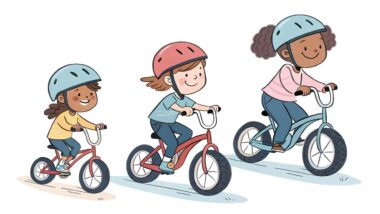
Integrating cycling into school physical education programs is an innovative and effective approach to enhance students’ physical fitness. Many benefits come from this initiative, ranging from improved cardiovascular health to increased participation in physical activities. Cycling appeals to a wide range of children, regardless of their fitness levels. It encourages both individual and group activities and promotes teamwork, all while making physical activity enjoyable. Schools can adopt various methods to implement cycling effectively. Safety is paramount; hence, providing proper instruction and equipping students with protective gear ensures a safe environment. Additionally, schools can incorporate cycling as part of various lessons beyond fitness. Environmental impact education, understanding traffic rules, and promoting a healthy lifestyle can all be integrated into the curriculum. Furthermore, bike safety workshops can be designed and facilitated by local cycling organizations. Establishing partnerships with these entities can enrich the program and provide valuable resources. Equally important is the allocation of sufficient time within the timetable to allow for practical sessions. Engaging parents in school cycling activities can also maximize support and increase enthusiasm. Overall, embracing cycling in physical education nurtures a healthier, more active generation.
Schools can implement various initiatives to enhance cycling as a core component of their training sessions. One effective method is to organize cycling clubs aimed explicitly at students. These clubs should cater to different skill levels to encourage all participants, regardless of their cycling ability. Activities within these clubs can include group rides, skill workshops, and fitness challenges. Additionally, schools should plan special cycling events, such as ‘Bike to School’ days or local cycling competitions. Such events foster a sense of community and provide a platform for students to showcase their skills. Schools must also recognize and implement the importance of structured lesson plans focused on cycling. Lessons should include safe riding practices, bicycle maintenance, and fitness goals related to cycling. Schools can consider virtual learning modules which are innovative and practical. By incorporating digital resources in conjunction with physical activities, students can learn both the theoretical aspects and practical skills of cycling. Keeping the lessons interactive and dynamic can significantly enhance student engagement in cycling education. By collectively focusing on cycling as a key component of PE programs, schools shape enthusiastic and lifelong cyclists who advocate for healthy lifestyles.
Benefits of Cycling for Kids
Cycling provides a multitude of benefits for kids. Firstly, it fosters physical fitness and helps combat obesity, which is a rising concern among children. Regular cycling enhances cardiovascular health, builds muscle strength, and boosts endurance. Moreover, cycling serves as a way to maintain a healthy weight when performed consistently. Mentally, cycling contributes to stress relief, enhancing mood through the release of endorphins. Engaging in outdoor activities such as cycling aids in improving self-esteem and confidence within children. As they learn new skills, complete cycling challenges, or participate in races, they attain a sense of accomplishment. Furthermore, cycling elicits teamwork and social skills by engaging in group rides or cycling clubs. Building strong friendships develops a support system beneficial for both physical and emotional challenges. Motor skills can also improve significantly through cycling; balance, coordination, and spatial awareness are essential skills learned while riding. Notably, cycling encourages independence as kids navigate their routes and make decisions. By incorporating cycling into physical education, schools can create a healthier, well-rounded curriculum that cultivates both physical and emotional well-being in students.
In relation to the psychological benefits of cycling, it has a profound impact on a child’s overall mental health. Evidence suggests that regular physical activity in children can significantly reduce symptoms of anxiety and depression. Cycling, particularly, offers a unique combination of exercise and social interaction. This combination is critical in helping children during pre-teen and teenage years, where peer pressure and social dynamics become complicated. Engaging with peers during cycling activities builds friendships and eases feelings of isolation. Moreover, setting cycling goals fosters resilience as children overcome obstacles while learning how to handle failure constructively. This growth mindset is essential for personal development. Schools can also introduce elements such as journaling cycling experiences to reflect personal progress. Such practices can encourage ongoing engagement in physical activities and be instrumental in personal development. Each child’s success story can become an inspiration for others, driving ongoing enthusiasm in the program while creating a supportive environment. In embracing this holistic approach to physical education, schools can effectively cater to the diverse needs of students, ensuring their well-being is prioritized and that cycling is hailed not only as exercise but a part of their lifestyle.
Safety Measures for School Cycling Programs
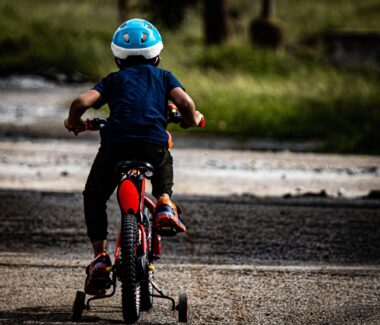
To maximize the positive impacts of cycling within school programs, safety measures must be firmly established. Before students can participate in cycling activities, it’s essential to conduct comprehensive safety training sessions. These sessions should educate students about the importance of wearing helmets, the proper fitting of bikes, and adhering to traffic regulations. Implementing these safety measures not only ensures students’ physical safety but fosters responsible behavior. Schools should create designated cycling areas, allowing students to practice in secure environments before heading out on public roads. Additionally, conducting maintenance checks on bicycles ensures that all equipment remains safe and operational. Schools can develop partnerships with local bike shops for maintenance workshops or tune-up clinics. Moreover, supervising cycling events with trained staff promotes a safer experience during group rides. Furthermore, organizing family involvement in safety initiatives helps instill the values of cycling safety at home. Parents can act as role models by participating in school cycling events, reinforcing the development of safe practices. Through these measures, schools instill a healthy cycling culture, ensuring that students take ownership of their safety while enjoying a fulfilling cycling experience.
Furthermore, the role of community engagement plays a crucial part in fostering a successful cycling program in schools. Collaborating with local municipalities can enhance infrastructure related to safe cycling routes, ensuring students have safe passage to schools. Schools can initiate campaigns to encourage local businesses to participate in cycling initiatives, creating a community network that supports cycling education. Organizing community events, such as cycling festivals or bike exhibitions, can spark interest and excitement among students and families alike. Local cyclists or advocates can be invited to share their experiences and encourage kids to cycle as a lifestyle choice. Providing easy access to cycling resources and promoting local bike clubs can encourage ongoing participation. School board policies also play an important role; advocating for policies that prioritize cycling and active transportation ensures long-lasting impact. Lastly, schools should assess the effectiveness of their cycling programs continually, gathering feedback from students, parents, and community partners. By actively engaging the community and fostering partnerships, schools can develop a sustainable and enjoyable cycling culture that significantly benefits the children and the community.
Conclusion: A Cycling Culture in Schools
Creating a cycling culture in schools fosters physical health, emotional well-being, and lifelong habits. Schools that embrace cycling as a pivotal part of their physical education programs not only contribute to the overall development of children but also promote community health. A well-rounded cycling program can lead to healthier, happier students who engage positively with their peers. By facilitating worthy challenges, schools can instill perseverance, teamwork, and independence in young cyclists. Moreover, establishing strong student-faculty interactions fosters a nurturing environment, helping students feel supported throughout their cycling journey. Furthermore, cycling as a lifestyle choice can lead families to adopt similar healthy habits at home. Parents who engage in school cycling events might encourage their children to pursue cycling outside the school environment, leading to a more active family lifestyle. Thus, schools should continue addressing the need for structured cycling programs that equip children with essential skills for life. The benefits of cycling transcend mere physical activity and can create a tight-knit community that values health and well-being. Schools can pioneer the movement towards a healthier future, making cycling an integral part of education and community.
This is the final paragraph that wraps up the discussion on the topic of integrating cycling into school programs successfully. Schools play a vital role in shaping students’ attitudes toward physical activity and well-being. Cycling education prepares young people for healthier lifestyles by providing them with essential skills, promoting active living, and fostering social connections. Therefore, proper implementation and unwavering community support can create a robust cycling culture in schools. By prioritizing inclusive cycling opportunities, schools ensure that all students can benefit, which helps instill a sense of confidence and an appreciation for physical fitness. Future generations equipped with positive cycling experiences are more likely to remain active adults, contributing to a society that values health and wellness. Emphasizing the role of cycles in physical education will foster an active generation of children intent on spreading the message of healthy living. Ultimately, cycling should not be viewed solely as a hobby but as an essential component of a balanced lifestyle. With commitment from educators, parents, and local communities, incorporating cycling into physical education can pave the way for a healthier and more active society.