
Trail Running Gear vs. Road Running Equipment: What You Need to Know
When it comes to running, the gear you choose can significantly impact your performance and comfort on different terrains. Trail running gear and road running equipment serve unique purposes that align with their respective environments. First, consider trail running shoes designed for uneven surfaces, featuring enhanced grip and support for challenging trails. Road running shoes, on the other hand, are typically lighter and designed for smooth, paved surfaces, offering greater cushioning to absorb impact. It is crucial to select the right shoes based on the type of terrain you’ll be running on, as inadequate footwear increases the risk of injury. Finding the ideal pair of shoes could enhance speed and overall training effectiveness. Furthermore, clothing also plays a vital role in performance, as trail runners often require weather-resistant materials due to changing conditions. In contrast, road runners may prioritize breathability and moisture-wicking properties to maintain comfort over longer distances. Each type of running warrants careful consideration of specific gear tailored for optimal results.
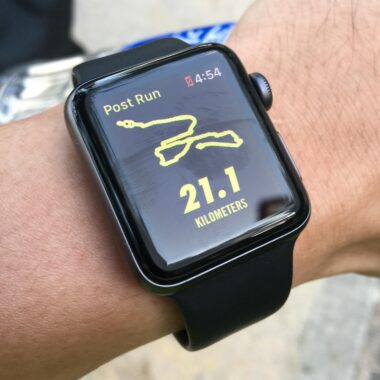
The choice of gear extends beyond footwear and apparel; accessories significantly affect performance during training or races. For example, trail runners typically utilize hydration packs to ensure enough water supply on long, remote runs. These packs are designed to store not just water but also energy gels and snacks for extended exertion. In contrast, road runners might prefer handheld water bottles or belts, which serve similar purposes but are styled for accessibility and convenience. Wearing an appropriate running vest can help both types of runners stay organized and carry essentials. Additionally, trail running might necessitate headlamps for safety in low-light conditions, while road runners often rely on reflective gear to remain visible to traffic. Incorporating technology aids training as well; fitness trackers and smartwatches can monitor heart rate and distance, providing invaluable feedback. Devices with GPS capabilities are especially useful for both trail and road running, ensuring you stay on course during your workouts. Ultimately, understanding the nuances between trail and road gear ensures you select the best equipment tailored to your running experiences.
Essential Features of Trail Running Gear
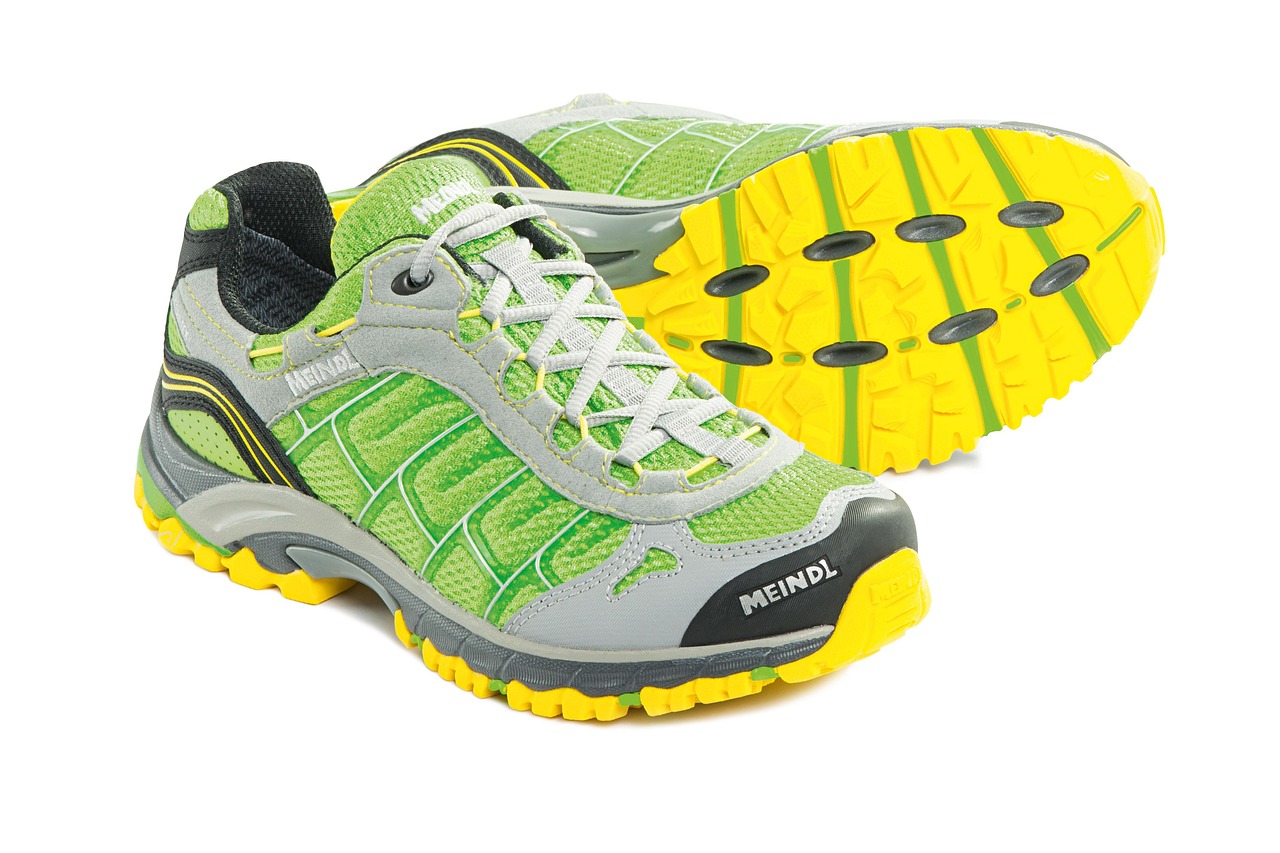
Trail running gear comes packed with features to tackle rugged terrains effectively. Traction is paramount; thus, the outsoles of trail shoes are usually equipped with deeper lugs to grip loose surfaces like mud or gravel. In addition, many trail shoes offer superior stability, crucial for uneven paths. The midsole cushioning, while important, is different from road shoes. Trail shoes often provide firmer support for better ground feel. Moreover, trail runners need protection from debris, often found on off-road paths. Toe caps in these shoes keep feet safe from rocks, roots, and other obstacles. Layered clothing designed for trails usually incorporates durable materials, often resistant to abrasions and water. Many brands create running shorts or tights with built-in pockets, allowing trail runners to carry essentials hands-free. Compression sleeves can also boost performance, aiding blood circulation and recovery. Furthermore, for colder adventures, consider thermal base layers that will wick moisture away, while maintaining warmth without added bulk. Ultimately, choosing trail gear with these features dramatically enhances safety and enjoyment in nature.
Road running equipment places an emphasis on comfort and efficiency, striving for minimizing weight and maximizing speed. Aerodynamic designs in apparel and lighter materials are often chosen, assisting runners in cutting through air resistance during sustained runs. Additionally, many road running outfits include reflectors or bright colors, increasing visibility in urban environments with varying light conditions. Comfort is not solely about fit; the right choice of fabrics makes a significant difference. Moisture-wicking materials are essential for maintaining skin dryness, preventing chafing, and ensuring comfortable long distances. Breathability becomes increasingly important, as road runners are often exposed to warmer temperatures for extended periods. Accessories like GPS watches help track performance metrics, guiding runners in managing pace and distance during training or races. Wireless headphones are popular to enhance motivation through music or podcasts. In terms of nutrition, road runners often rely on energy gels or chews, which offer a quick source of carbohydrates and electrolytes. This type of focused preparation characterizes road running gear, supporting optimal performance across varied distances.
Comparing Gear Costs
Investing in quality running gear can be a considerable financial commitment, with prices varying widely between trail and road equipment. Trail running shoes often come at a premium due to advanced technologies integrated for rugged handling. Prices can range significantly based on brand, features, and materials used. Road running shoes may vary less in price, though specialized models featuring high-end cushioning and support can also be costly. Budget-conscious runners can find affordable options in both categories; however, investing in high-quality gear typically enhances durability, safety, and performance. Apparel costs can also differ; outer layers meant for trail running typically feature reinforced designs, potentially raising their price point. Meanwhile, road running outfits targeting comfort and aerodynamics may be more readily available due to their higher market demand. Accessories, too, present a range of prices depending on brand and functionality, with hydration packs generally being pricier than simple handheld bottles. Assessing the frequency and type of running can guide financial decisions, ensuring you invest wisely on equipment tailored to your needs without overspending.
Maintenance of running gear is another essential aspect that often gets overlooked but significantly impacts longevity and performance. Regular checks for wear and tear are necessary; trail shoes may require more frequent replacements due to exposure to harsh conditions, while road running shoes can last longer if not excessively worn. Cleaning techniques will vary; for example, trail runners often wash shoes with a brush to remove mud, while road runners benefit from gentle hand washing. Effective care of clothing ensures moisture-wicking capabilities remain intact; using proper detergents and avoiding fabric softeners can help with this. During inclement weather, trail runners should ensure their gear remains appropriately waterproofed, as wet conditions can compromise performance. Additionally, regularly inspecting hydration packs or belts for leaks and damaged components is paramount to ensure they function correctly during runs. Committing to regular maintenance extends the life of your equipment and keeps your gear performing optimally. Ultimately, diligent care translates to greater confidence on the trails or roads, enhancing the overall running experience.
Final Thoughts on Running Gear Selection
Choosing the right running gear ultimately hinges on understanding your running style and environment. Trail runners must prioritize safety, stability, and traction, selecting gear designed for the unpredictability of natural landscapes. Meanwhile, road runners focus on efficiency, comfort, and lightweight materials for effective performance on smooth surfaces. Each type of running comes with its unique set of challenges and joys, which the right gear can enhance significantly. A sensible approach encompasses trying different products to find what fits best individually. Whether you enjoy the rugged outdoors or prefer the city streets, investing in tailored equipment sets the foundation for an enjoyable running experience. Consider exploring options with reputable brands and reading reviews from fellow runners to make informed choices, ensuring you’re well-prepared for your training or race. Ultimately, pairing the right gear with dedication and training leads to improved performance and overall satisfaction in your running journey. Don’t underestimate the power of well-suited gear; prioritize form and function when making selections, as they can make substantial differences in your experience.
A final reminder is to always listen to your body to identify if your gear meets your specific needs. Understanding personal preferences and comfort levels will guide effective gear choices that enhance performance and enjoyment. Every runner has unique requirements, whether on the road or trail, so personalizing gear selection can nurture passion for running. Evaluating the pros and cons of both trail and road gear based on personal experiences encourages informed choices. Connecting with local running communities can also unveil great insights and recommendations tailored to your area. Regardless of your preferences between trail or road running, choosing the right equipment paves the way for successful training sessions and races alike. The journey of finding ideal gear can be enlightening; contemplate mid- to long-term goals when investing. Experimenting with various brands allows runners to discover what works best, while adapting gear with experience enhances performance over time. Understanding the interplay between gear and running style will ensure sustained growth in this rewarding sport; whether you roam nature or conquer asphalt, quality gear complements your efforts.