
The Link Between Mindfulness, Meditation, and Reduced Pregnancy Exercise Fatigue
During pregnancy, women often experience a range of physical and emotional changes. These changes can lead to feelings of fatigue, which can be especially challenging when trying to maintain a fitness routine. Mindfulness and meditation are powerful tools that can help alleviate these feelings. By focusing on the present moment, these practices allow pregnant women to connect with their bodies in a deeper way. This connection can enhance their physical fitness experience. Moreover, studies suggest that regular mindfulness practices promote a positive mindset. In turn, this helps reduce the perception of fatigue during exercise. Through techniques such as breathwork, visualization, and body scanning, pregnant women can be more aware of their physical sensations. Acknowledging these feelings can lead to a more balanced approach to fitness. This encourages performing only what feels comfortable. Pregnancy fitness doesn’t have to be a one-size-fits-all. By incorporating mindfulness, women may find exercise less daunting and more enjoyable. They reclaim a sense of control over their bodies, maximally benefiting their physical health amidst changes.
Engaging in physical activity during pregnancy is crucial. However, it’s essential to listen to one’s body throughout this time. Here is where mindfulness and meditation come into play. Research indicates that being mindful helps expectant mothers tap into their physical needs without judgment. The focus shifts from pushing limits to understanding limits. Stress and anxiety can also contribute significantly to feelings of fatigue. Integrating mindfulness through meditation allows for the release of built-up tension within the body. Simple breathing exercises can lead to better oxygenation and relaxation. Pregnant women can learn to shift focus away from fatigue and toward gratitude for their bodies and the changes they experience. One effective meditation technique is guided imagery. By visualizing positive outcomes related to fitness and pregnancy, mothers can build a supportive mental framework. This prepares them for exercise, making it a joyful endeavor rather than a burden. Aside from its mental benefits, mindfulness encourages physical well-being. Making thoughtful choice when it comes to physical activity promotes a healthy lifestyle. It results in improved mood and increased energy levels during this transformative time.
Mindful Movement Practices
Many pregnant women may benefit from incorporating mindful movement into their fitness routines to combat fatigue. Practices such as yoga, Pilates, and tai chi emphasize awareness and gentle movement, aligning perfectly with the mindfulness philosophy. These disciplines promote flexibility, strength, and relaxation, making them ideal during pregnancy. For instance, prenatal yoga allows for stretching while connecting breath with movement, fostering a deeper sense of awareness. This could diminish fatigue levels by ensuring that the body remains limber. Additionally, maintaining a routine of mindful movement can serve as meditation in motion. As women engage in these activities, they focus on the rhythm of their breath and the present moment. This awareness can significantly reduce feelings of tiredness usually associated with standard forms of exercise. Many women find that these gentler practices offer a way to stay fit. Furthermore, the social aspect found in group classes may enhance the overall experience. It can strengthen bonds with fellow participants. Mindful movement indeed plays a pivotal role. It’s a holistic approach that recognizes both mental and physical needs in pregnancy fitness, ultimately leading to better outcomes.
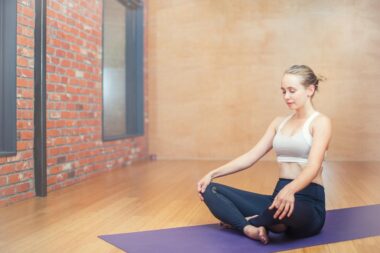
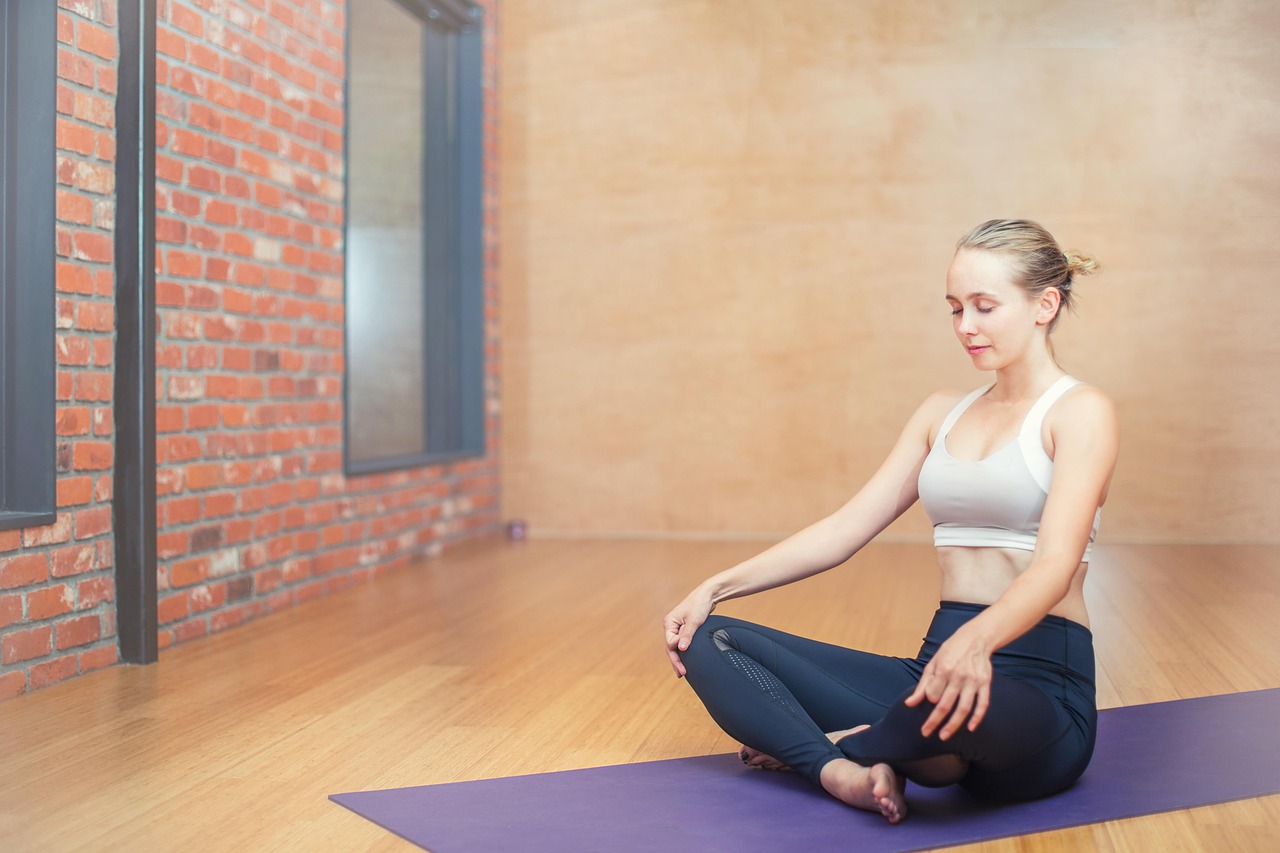
Listening to one’s body develops a positive relationship with fitness and exercise. Silence and stillness are crucial elements of mindfulness and can effectively combat fatigue. Practicing meditation invites relaxation and encourages open channels of communication with the body. Expectant mothers regularly meditating reported profound changes in their physical and emotional well-being. By becoming aware of the thoughts and feelings that surface, one can let go of negativity. Each session becomes a source of rejuvenation rather than another demand placed upon them. Meditation can integrate messages from the body that usually require attentive listening. A practice called loving-kindness meditation is proven to be beneficial. It cultivates compassion and connection towards oneself, vital during pregnancy. This practice helps direct love and positive energy to oneself and the growing baby. As mothers establish this emotional connection, the fatigue often lessens. Acknowledging and allowing these feelings creates space for energy and vitality. Integrating mindfulness into their lives gives women tools to navigate through pregnancy. The result is decreased anxiety, improved focus, and an overall sense of well-being, which paves the way for a more enjoyable pregnancy.
Building a Routine
Cultivating a consistent mindfulness routine can have lasting benefits. One effective approach to reduce fatigue during pregnancy is establishing a daily practice. Setting aside dedicated time for mindfulness and meditation can encourage mothers to process their experiences better. It is essential to start small, allowing the mind to ease into these new habits. Simple practices like morning affirmations can enhance positivity and set the tone for the day. Additionally, incorporating mindful walking may be a relaxing activity that both encourages movement and promotes awareness. It gives couples a fun way to bond while developing a shared mindfulness practice. As mothers grow in their mindfulness journey, they find that nurturing these habits creates a ripple effect. Positive feelings contribute to a more energizing approach towards exercises. Furthermore, integrating mindfulness strategies into group classes, whether in person or virtual, promotes community support. The camaraderie established encourages commitment. Realizing that others share similar challenges creates a sense of belonging. This connection can be vital in pregnancy, making shared experiences a source of strength. As pregnant women foster these healthy routines, they cultivate self-care practices that support their journey as mothers.
Mindfulness and meditation bring attention to self-care. Vital during pregnancy, self-care can be overshadowed by fatigue and other daily responsibilities. Understanding that it’s essential to care for oneself lays the foundation for physical strength. By intentionally prioritizing mindfulness practices, mothers may recognize their emotional needs, cultivating energy. Research shows that cultivating a self-care routine helps mitigate fatigue levels, creating sustainable energy reserves. This approach allows women to recognize when they need rest rather than continuing to push through exhaustion. It encourages taking breaks and engaging in activities that restore the mind and body. For instance, enjoying relaxation techniques like nature walks may serve as an energizing activity. Breathing exercises and meditation can both be tools for refocusing and enhancing a sense of empowerment. Furthermore, they promote overall physical development and birth outcomes for both mother and child. Creating a peaceful environment during meditation can amplify the experience. Soft lighting, calming music, and comfortable spaces can make the process enjoyable. The ultimate aim involves recognizing that pregnancy fitness should be approached holistically, blending mental and physical health practices, leading to profound benefits for mothers and their growing babies.
Conclusion
In conclusion, the integration of mindfulness and meditation into pregnancy fitness routines significantly enhances overall well-being. The connection between these practices and reduced exercise fatigue is increasingly recognized. This holistic approach fosters a harmonious relationship between mothers and their bodies, encourages empowerment, and promotes healthy pregnancies. By cultivating mindfulness, expectant mothers can develop a deeper awareness of their physical and emotional sensations. Exercises become less daunting, and a newfound appreciation for their bodies emerges. As previously noted, mindfulness aids in recognizing limits while encouraging gentle movement and relaxation. Group activities can create a sense of belonging, while self-care practices ensure energy levels remain high. Expectant mothers may find that the journey of pregnancy fitness has become a rewarding experience rather than a source of stress. The emotional connection formed through mindfulness can be essential for mothers and their babies. As a result, many women embark on a journey of self-discovery during pregnancy. Ultimately, the balance achieved through mindfulness and appreciation fosters a supportive foundation. It becomes beneficial not only for exercise routines but also for mental health during this special time.
Embracing mindfulness and meditation during pregnancy can redefine how expectant mothers approach fitness. The benefits extend beyond reduced fatigue, enhancing emotional regulation and overall well-being. There is a growing body of research that emphasizes the importance of mental health during pregnancy. By fostering a mindful mindset, mothers are better equipped to face the physical challenges of pregnancy. Exercises become less tedious and more enjoyable, setting the stage for lifelong healthy habits. Furthermore, mindfulness practices help foster a sense of gratitude. Each moment spent focused on the present allows women to appreciate their transformations. By cultivating a quiet mind through meditation, one experiences a heightened ability to respond to the body’s needs. Fatigue doesn’t have to be part of the experience when approached with mindful strategies. As these practices become habitual, they create a supportive environment for both mother and child. This is an excellent opportunity for mothers to connect with their bodies, promoting a strong sense of well-being. Continued exploration of mindfulness benefits is significant for facilitating healthy pregnancies. As mind, body, and spirit unite through these practices, women navigate pregnancy’s complexities harmoniously, resulting in empowered birthing experiences.