
How Proper Form in Weightlifting Can Reduce Injury Risks
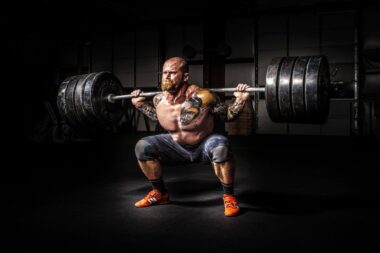
Weightlifting is a demanding activity that can lead to injuries if performed incorrectly. Maintaining proper form can be vital in preventing potential injuries. Many athletes and weightlifters overlook the significance of posture and alignment. Poor form can lead to strains, sprains, and more serious injuries. Focused training on the correct techniques can enhance performance and minimize risks. One key aspect of proper form is ensuring that the spine is neutral throughout movements. This alignment helps distribute the weight evenly and reduces the strain on lower back muscles. Additionally, controlling the body’s center of gravity can allow lifters to perform safely. It’s essential to prioritize a thorough warm-up routine to prepare muscles and joints. Stretching and mobility drills can help increase flexibility, improving overall performance. Integrating these elements into a workout can lead to better results and fewer injuries. Lifters must invest time in learning the mechanics of movements like squats, deadlifts, and presses. Seeking guidance from a certified trainer can help reinforce good habits. Ultimately, injury prevention through proper form contributes to longer, safer training sessions.
Another critical aspect of injury prevention in weightlifting is strengthening accessory muscles. These supportive muscles play a crucial role in stabilization during lifts. When developing a workout routine, incorporating exercises that target these muscles can significantly enhance overall performance. For example, engaging in core stabilization exercises such as planks, bridges, and rotational movements can improve the body’s ability to maintain proper form. Strengthening the core facilitates better force transfer from the legs to the upper body during lifts. This practice not only promotes safety but improves lifting efficiency. It’s also vital to monitor fatigue levels during workouts. Tired muscles are more prone to injuries; thus, recognizing personal limits is crucial. Maintaining a manageable workout intensity allows lifters to stay focused on proper form, reducing the risk of injury. Furthermore, adequate rest and recovery should be prioritized. Implementing rest days in a training regimen helps muscles repair and grow stronger. Hydration and nutrition also play a role in recovery. A well-balanced diet supports muscle recovery and energy levels, further promoting safe, effective weightlifting. Collectively, these practices contribute to a sustainable and injury-free weightlifting journey.
Listening to Your Body
Paying attention to bodily signals is vital in injury prevention. Athletes often experience discomfort or pain warning signs that should never be ignored. Understanding the difference between discomfort during lifts and actual pain is essential. If pain arises, especially sharp or persistent, it’s best to cease the activity immediately. Continuing to lift despite pain can exacerbate the situation, leading to severe injuries that may require extended recovery times. Dynamic stretching before workouts helps gauge baseline mobility and performance levels. If unusual stiffness or discomfort is felt, adjusted plans should be considered. Adjusting weight loads and volume can allow athletes to work within their limits. Additionally, flexibility training should not be overlooked; incorporating regular stretching routines can enhance joint range of motion. This increase in flexibility can help maintain optimal posture and mechanics during lifts, ultimately aiding in injury prevention. Lifters should also take time to reflect on their training sessions. Keeping a workout journal can assist in tracking progress and recognizing patterns of when injuries or discomfort arise. Ultimately, an individualized approach to weightlifting is essential for a long, healthy lifting career.
Furthermore, the importance of proper footwear cannot be overlooked in injury prevention for weightlifting. The shoes used during training can profoundly affect balance, support, and performance. Wearing footwear designed explicitly for weightlifting provides the necessary stability and grip required during various lifts. Weightlifting shoes typically feature a raised heel that can enhance ankle mobility, thereby improving squat depth and overall form. Investing in quality shoes tailored for the sport can yield significant results in safety and performance. Alongside choosing suitable footwear, gym surfaces should also be considered. Flat, stable surfaces free from hazards contribute to a safe lifting environment. An organized workout area minimizes tripping risks and distractions. Implementing systematic warm-up protocols and cooldown exercises can promote long-term health for weightlifters. Exercise sessions should start with light, dynamic activities that elevate heart rates and prepare muscles. Cooling down after workouts is equally essential as it aids in recovery and reduces muscle soreness. Engaging in foam rolling and stretching post-workout can promote flexibility, increasing the potential for injury prevention. This holistic approach to safety during weightlifting can help athletes avoid setbacks, allowing them to pursue their fitness goals relentlessly.
The Role of Equipment in Safety
Equipment selection and usage are also vital aspects of injury prevention in weightlifting. Utilizing proper weightlifting equipment such as belts, wraps, and straps can enhance safety and performance. A lifting belt supports the lower back, promoting proper alignment during heavy lifts. However, it’s crucial to use these aids appropriately and not rely on them completely. Strengthening core muscles remains paramount in supporting the spine. Additionally, understanding how to use equipment correctly can prevent unnecessary injuries. For instance, using wrist wraps can help stabilize the joints during pressing movements, significantly reducing the risk of strain. Properly adjusted and fitted equipment is essential for optimal safety; investing time in finding the right gear can pay off in the long run. Lifters should also periodically inspect their equipment for wear and damage. Outdated or frayed straps or belts can lead to serious injuries when lifting heavy weights. Fostering a culture of safety in the gym environment encourages everyone to be vigilant about maintaining both equipment and proper technique. Furthermore, it’s beneficial to stay educated on new methods, trends, and equipment in weightlifting to ensure safety remains a priority.
In the realm of injury prevention, the mental aspect plays a critical role too. Mental focus and clarity can significantly affect lifting performance and safety. Distractions during lifts can lead to inappropriate movements or altered forms, increasing injury risks. Practicing mindfulness techniques can help athletes stay present during their workouts. Visualization exercises that involve picturing oneself lifting with perfect form can translate into improved performance. Effective communication within the lifting community can also enhance safety. Lifters should not hesitate to ask for spotting assistance or guidance when attempting heavier weights. Partner lifting can play an essential role in ensuring safety, as having someone present can catch potential issues before they escalate. Establishing a supportive network of fellow lifters encourages accountability in maintaining proper techniques. Regularly participating in weightlifting workshops or seminars can bring valuable insights and reinforce the importance of safety. Ultimately, a combination of physical and mental preparedness can ensure a healthier weightlifting experience. Emphasizing the role of mental strength alongside physical training enriches the overall weightlifting journey, allowing athletes to reach their goals while avoiding injuries.
Conclusion
In summary, proper form and injury prevention in weightlifting are integral components for every lifter’s journey. Fundamentally, employing correct techniques, adequate preparation, and an unwavering dedication to safety can significantly reduce injury risks. Learning to listen to one’s body and recognizing limits fosters a lifelong commitment to the sport. Establishing a consistent routine that includes warm-ups, cooldowns, and strength-building exercises can promote physical resilience while enhancing muscle functionality. Engaging with a knowledgeable coach or trainer can facilitate learning safe practices and continually refining techniques. Investing in the right footwear and equipment can further fortify safety protocols. In addition, cultivating a mentally strong approach through mindfulness and visualization can elevate one’s performance. A positive gym culture that prioritizes support and education creates an environment conducive to safety. As weightlifters take on new challenges, remaining adaptable and conscious of injury prevention strategies becomes vital. By prioritizing these practices, lifters can pursue their goals with confidence, knowing they are equipped to minimize risks. Thus, weightlifting can become a rewarding, injury-free endeavor that offers numerous health benefits and overall personal growth.