
How to Adjust Your Workout When Equipment is Out of Order
Experiencing equipment malfunctions at the gym can be frustrating, especially during your workout routine. These interruptions, however, offer an opportunity to adapt your routine. Instead of feeling discouraged, it’s crucial to remain positive and flexible. Begin by assessing the situation; determine which equipment is actually unavailable and which areas of your workout can be modified. For instance, if the bench press is out of order, consider substituting with dumbbell bench presses or push-ups. These adjustments maintain your workout intensity while targeting the same muscle groups. Always have a backup plan, like alternative exercises, in mind. This readiness not only saves time but also keeps your motivation high. Engage in conversations with other gym-goers; they might have suggestions or share ideas for alternative exercises that they are currently using. Stay updated with the gym’s maintenance schedule and be aware of any planned repairs. This knowledge prepares you for potential disruptions and deftly manages your time while working out. Adapting your exercises ensures that your fitness goals stay on track irrespective of the circumstances. Find ways to creatively challenge yourself with the available equipment.
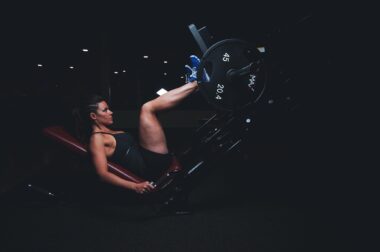
When facing equipment outages, it’s essential to have a solid plan. The first step involves identifying your target muscle groups and designing exercises around them. If a particular machine is unavailable, consider bodyweight exercises or free weights as effective alternatives. For example, if the leg press machine is broken, you can perform squats or lunges instead. Prioritize compound movements where possible, as they engage multiple muscles simultaneously and help you achieve good results without traditional equipment. A well-rounded workout can be achieved with creativity; utilizing dumbbells and resistance bands often provides diverse workout options targeting major muscle groups. Planning alternatives ahead of time can reduce frustration during your sessions. Consider researching exercises relevant to your routine, and mix them up with cardio options, such as jumping jacks or high knees. This not only keeps the heart rate elevated but also allows you to utilize different facilities within the gym. Using mobility workouts is another excellent way to stay productive when equipment malfunctions occur. Additional stretching and mobility drills can be integrated into your routine to efficiently enhance flexibility and strength, which benefits overall performance.
Communicate with Gym Staff
Talking to gym staff about equipment issues can be beneficial for both parties. Most gyms appreciate feedback as it helps them maintain their facilities better. Don’t hesitate to inform staff members about any broken equipment you encounter. They are equipped to address such concerns and can alert maintenance quickly. This communication helps ensure that equipment is repaired swiftly, contributing to a better environment for everyone. Moreover, staff members can often suggest alternative equipment that you may not have considered for your workout. They know the gym well and can assist you in making informed choices. Additionally, engaging with trainers can be advantageous; they have a wealth of knowledge about various workouts. Ask them for recommendations based on your fitness goals or any restrictions you’ve faced due to equipment issues. Often, trainers can provide variations on your usual exercises to make them equally effective. Building these relationships in your gym fosters a feeling of community and support, encouraging a positive atmosphere. Appreciating the collaborative effort between gym-goers and staff can significantly improve your overall experience, allowing for successful adaptations in your workout.
When your ideal equipment is out of use, it’s advantageous to focus on form and technique. This is especially the perfect time to refine your skills. Utilize this opportunity to review your exercises and ensure that your movements are effective and safe. Focusing on your form can prevent future injuries and guarantee that you get the most out of your workouts. If your gym offers workshops or classes, consider joining them to enhance your skill level. These classes often introduce modified exercises and techniques, providing additional insights. While performing bodyweight exercises, dedicate extra time to practicing proper movement patterns. For instance, if doing a squat, pay close attention to knee alignment, back posture, and depth. Proper technique will substantially benefit your overall strength training. Listening to your body is equally critical. If an exercise doesn’t feel right due to equipment issues, don’t push through the pain. Instead, take a moment to choose a more suitable exercise. Remember that strength training is a long-term journey, so utilizing downtime for refinement and development strengthens your performance in the long run.
Explore Group Classes
In the event of equipment breakdowns, group classes present another fantastic option. Involt your gym’s group fitness schedules to find classes that may fit your timing. Classes such as circuit training, HIIT, or yoga often require minimal equipment. This can lead you to new and exciting workouts that you might not have considered before. Participating in group classes also fosters camaraderie with others, allowing you to maintain motivation and connect while working out. The social aspect can enhance the gym experience significantly. Instructors are usually adept at modifying exercises for varying fitness levels and can provide personalized advice during class. Group sessions also introduce training methods, like interval training or partner workouts, which efficiently maximize your functioning. Furthermore, the guided structure of a class helps in keeping your workout focused, ensuring you remain engaged for the entire duration. Use the opportunity to learn new variations on exercises and techniques that you can incorporate during individual workouts. Ultimately, taking advantage of class schedules drives a deeper passion for fitness and helps explore other facets of your gym resources.
As you adapt your workouts, consider the importance of tracking your progress. Create a workout journal to track exercises, sets, and repetitions, which allows you to review changes over time. Recording this information can help you recognize improvements, determine alternative exercises you’ve tried, and document how various adjustments have been beneficial. Maintaining a detailed log can foster motivation, making it easier to observe your achievements visually. Additionally, leverage technology like fitness apps or wearable devices to track your workouts easily. Many apps offer exercise libraries and allow you to customize your workouts while keeping you on track with your goals. Utilize the downtime from equipment malfunctions to revisit your fitness goals and adjust timelines if necessary. This reflection is crucial in assessing whether you’re moving toward your objectives effectively. Revisit your strategy and analyze what works best whenever equipment issues arise. Focus on setting small, achievable benchmarks within your workout plan. This systematic approach enables goal-setting while ensuring progress continues, even through the obstacles posed by equipment malfunctions.
Stay Positive
Lastly, maintaining a positive attitude during unforeseen gym setbacks can significantly impact your overall experience. Gym routines are built with expectations, so interruptions can be mentally discouraging. Accepting these fluctuations and developing an adaptable mindset allows you to face challenges head-on. Practice mindfulness techniques, like deep breathing or meditation, before and after workouts to center yourself. Engaging in positive self-talk can also decrease frustration related to equipment issues. Remember, fitness is a journey that demands flexibility, adjusting as needed. Use every challenge as an opportunity to learn and grow in your workouts. Embrace the chance to experiment with different exercises and try new approaches. Practicing resilience not only benefits your current workout but also contributes to your long-term fitness journey. Share your experiences with fellow gym-goers; they may offer valuable insights based on their encounters with equipment malfunctions. Support from others can enhance one’s outlook and create a sense of camaraderie within the gym environment. Lastly, remind yourself of your progress and achievements, allowing a positive reinforcement loop that keeps you motivated, regardless of the obstacles faced.