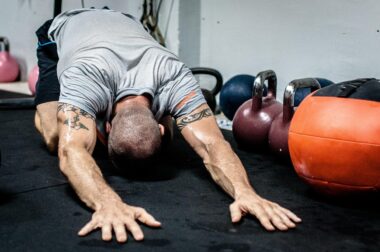

CrossFit Flexibility: How to Train for Better Overhead Squats
Improving your performance in CrossFit involves understanding the significant role flexibility plays, especially for movements like overhead squats. Flexibility enables joints and muscles to move smoothly through their full range of motion, which is critical for executing complex movements. Overhead squats require not only strength but also remarkable hamstring, calf, and shoulder flexibility. Poor flexibility can limit your ability to maintain correct posture and stability, leading to poor performance and increased injury risk. Therefore, flexibility training should be an integral part of your routine. With a well-designed program, you can also enhance your mobility, making it easier and safer to achieve optimal positions during exercises. Before starting any flexibility regimen, be sure to assess your current flexibility level. Focus on specific stretches that target tight muscle groups involved in the overhead squat, including the shoulders, hips, and ankles. Allocating specific training time for flexibility will help improve overall workout performance and minimize soreness. Make sure you’re consistent with these efforts to see noticeable improvements over time.
Effective Stretching Techniques
Incorporating various stretching techniques into your training can dramatically improve your flexibility. Here are a few strategies to help you effectively enhance your overhead squatting capabilities: static stretching, dynamic stretching, and proprioceptive neuromuscular facilitation (PNF). Static stretching involves holding stretches for a specific duration, helping to lengthen muscles and tendons. This form of stretching is beneficial post-workout when muscles are already warmed up. Dynamic stretching, on the other hand, incorporates movement, preparing the body for exercise. Consider exercises like walking lunges or leg swings to improve overall mobility. PNF stretching, which combines passive stretches and isometric contractions, can significantly improve flexibility. To practice PNF stretching, find a partner or use a wall for support. Pick stretches targeting your shoulders and hips, and incorporate a band to assist. Make sure to hold each stretch for about 20-30 seconds, repeating this process a few times. By rotating through these techniques, you can develop a well-rounded stretching regimen that caters to your body’s needs and helps develop flexibility.
Mobility drills are an essential component of flexibility training, especially for athletes participating in CrossFit. These drills focus on improving the range of motion in your joints and are a crucial aspect of enhancing performance for lifts such as the overhead squat. Start with basic drills that target key areas like the ankles, hips, and shoulders. Common mobility exercises include hip openers, ankle mobilizations, and shoulder dislocates. Each drill should be performed with intention and control, concentrating on maintaining proper body mechanics. Incorporating mobility drills into your warm-up routine can significantly improve your overhead squat efficiency. Moreover, perform these movements consistently over time to yield maximum benefits. The goal is to enhance your body’s ability to move more freely, allowing you to achieve better depth in your squats. Besides improving performance, these mobility drills can also aid in reducing muscle tightness, which often contributes to injury risk. Never rush through these drills; instead, approach them mindfully to develop the motor control necessary for proper movement patterns.
In addition to dedicated flexibility and mobility work, specific strength training can enhance your performance in overhead squats. Engaging in strength-building exercises focused on your back, core, and lower body will provide you with the necessary muscular support for proper squat execution. Effective exercises include back squats, overhead presses, and kettlebell swings. Building strength in your core is vital, as it stabilizes your body during overhead movements. Plank variations, medicine ball twists, and hanging leg raises are perfect for strengthening the core. When you’ve established a solid strength base, incorporating overhead squats into your routine will become easier. Adjust your weight as needed and focus on maintaining proper form. It’s essential to remember that flexibility and strength training go hand in hand; don’t neglect either component. Allow adequate recovery time between strength training sessions to enable your muscles to adapt following workouts. Gradually increasing intensity and volume can help boost your performance without increasing injury risk. Understanding this balance is crucial to maximizing all aspects of your training.
A Daily Routine for Success
Establishing a daily routine that integrates flexibility and mobility work will ensure steady progress towards achieving better overhead squats. Allocate time at the beginning and end of your workouts for stretching and mobility exercises. Begin with a warm-up composed of light cardio and dynamic stretches before diving into your workouts. Follow this up with a cool-down that includes static stretches focusing on muscles used during your training. To create an effective routine, pay attention to your body’s feedback. Modify your stretching to include areas that feel particularly tight throughout the week. Additionally, tracking your flexibility and mobility progress through a journal can provide valuable insights into what works best for you. Incorporate techniques learned from various mobility tools, such as foam rollers or bands, to your daily practice. These tools can help alleviate soreness and improve muscle recovery, further supporting your training goals. Ideally, aim for 10-15 minutes of targeted flexibility work daily, as consistency is key to long-term success and improvement.
Listening to your body is vital when pursuing flexibility gains. Flexibility training should never be painful; if you feel pain, it might indicate that you are pushing too hard or not correctly performing the stretch. Instead, focus on gradual acceptance of increased range of motion over time. Consistent practice will improve flexibility, and you should feel more comfortable as you progress. Engage in flexible movements, and maintain a routine that balances pushing limits while ensuring your body gains the necessary recovery. Furthermore, consider incorporating yoga or Pilates classes into your schedule, as they both emphasize flexibility, balance, and strength. These practices can help change your mindset and approach to mobility training while also providing additional benefits. Yoga poses such as downward dog or pigeon pose are excellent for improving flexibility in key muscle groups. Make it a habit to regularly evaluate how you feel during and after your training sessions. Track your progress, and don’t hesitate to adjust your routine as needed based on your body’s reflections.
Conclusion: Embrace Flexibility Training
In conclusion, focusing on flexibility and mobility training is essential for optimizing your performance in overhead squats. Understanding the importance of flexibility will not only improve your squatting ability but also contribute to your overall CrossFit journey. The right combination of stretching, mobility drills, and strength training will yield powerful results for your fitness endeavors. Remember to be patient, as improvements will take time and consistent effort; flexibility is not an overnight achievement. By committing to a regular routine that includes effective techniques and exercises, you will find greater ease in executing complex movements. Flexibility and mobility should never be an afterthought in your training regimen; instead, they should be prioritized just as much as strength and conditioning. As you continue to build upon your skills, keep track of your progress and adapt your routine as needed. Stay committed to enhancing your flexibility and embrace new challenges along the way, enabling you to excel in your CrossFit workouts.
CrossFit Flexibility: How to Train for Better Overhead Squats
Improving your performance in CrossFit involves understanding the significant role flexibility plays, especially for movements like overhead squats. Flexibility enables joints and muscles to move smoothly through their full range of motion, which is critical for executing complex movements. Overhead squats require not only strength but also remarkable hamstring, calf, and shoulder flexibility. Poor flexibility can limit your ability to maintain correct posture and stability, leading to poor performance and increased injury risk. Therefore, flexibility training should be an integral part of your routine. With a well-designed program, you can also enhance your mobility, making it easier and safer to achieve optimal positions during exercises. Before starting any flexibility regimen, be sure to assess your current flexibility level. Focus on specific stretches that target tight muscle groups involved in the overhead squat, including the shoulders, hips, and ankles. Allocating specific training time for flexibility will help improve overall workout performance and minimize soreness. Make sure you’re consistent with these efforts to see noticeable improvements over time.