
Avoiding Kidney Damage: The Importance of Proper Water Intake
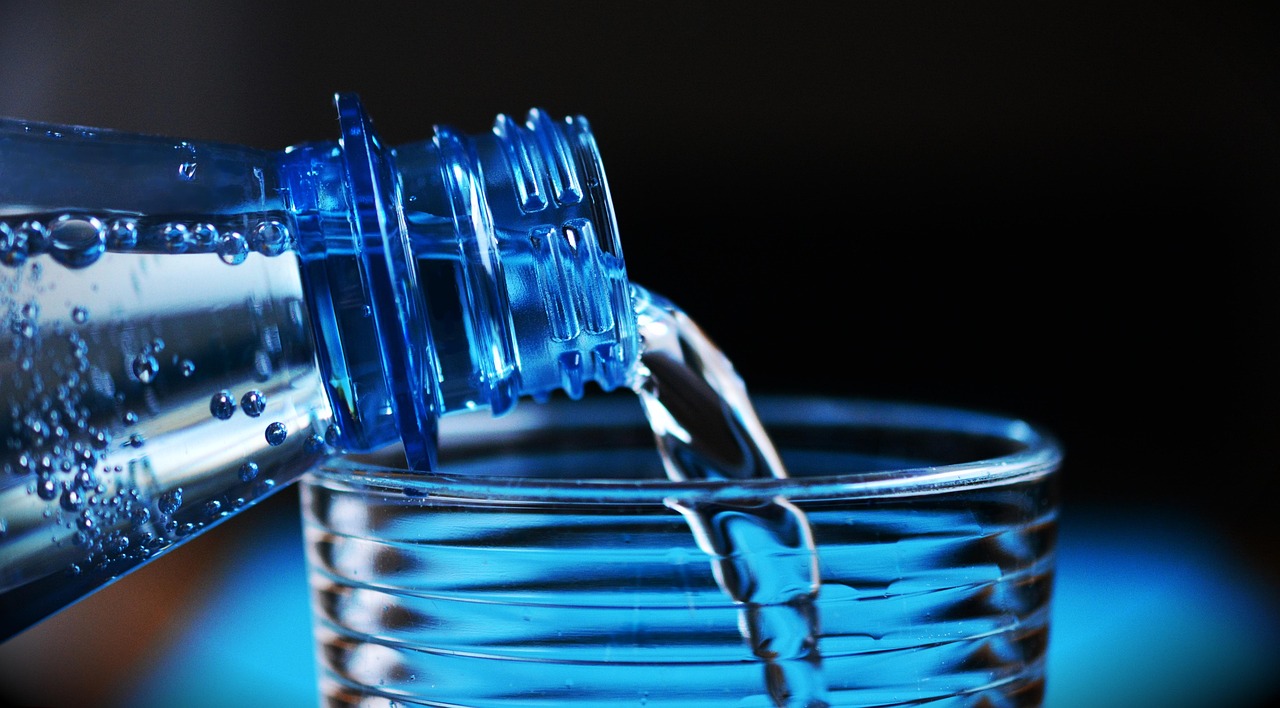
Proper hydration plays a vital role in overall health, particularly in terms of kidney function. The kidneys serve as the body’s filtration system, filtering waste and excess fluids from the bloodstream. Without adequate water intake, the kidneys can become overworked, leading to potential damage over time. Dehydration makes it challenging for the kidneys to function optimally, increasing the risk of developing kidney stones and urinary tract infections. These conditions not only cause discomfort but can also lead to lasting damage if left untreated. It is essential to understand how proper water intake contributes significantly to kidney health. Inadequate fluid intake can result in the formation of concentrated urine, raising the risk of kidney damage and stones. To promote kidney health, aim to drink sufficient water daily based on your activity level and personal health needs. This means assessing your overall lifestyle, environment, and physical exertion when determining your hydration requirements. Staying well-hydrated allows kidneys to expel toxins efficiently, thereby protecting them from potential harm.
Maintaining adequate hydration levels is critical in ensuring that the kidneys remain healthy and functional. As you digest food, waste products are produced that need to be expelled from the body. When you are adequately hydrated, the kidneys can effectively cleanse the blood and eliminate these waste products through urine. Insufficient water consumption can lead to a higher concentration of toxins, putting undue stress on the kidneys. Over time, consistently high levels of waste can cause damage, resulting in chronic kidney disease. To mitigate these risks, prioritize drinking water throughout the day and pay attention to your body’s signals. Thirst is a key indicator that your body requires hydration, so listen to it. In addition to water, certain foods contribute to hydration; many fruits and vegetables have high water content, providing another means to replenish fluids. Include hydrating foods, such as watermelon, cucumbers, and oranges, in your diet. Make consistency a habit by keeping a water bottle handy to sip on during busy days. Small, frequent sips can significantly improve hydration levels and support kidney function.
The Link Between Dehydration and Kidney Disease
Dehydration can lead to various health issues, one of the most concerning being its link to kidney disease. The kidneys work diligently to filter the blood and remove waste, but when they are deprived of enough fluids, their performance may be compromised. Chronic dehydration can result in kidney stones, a painful condition that can necessitate invasive treatment. Furthermore, prolonged dehydration raises the risk of urinary tract infections and can lead to chronic kidney disease. General symptoms of dehydration include dry mouth, fatigue, and dark-colored urine, which can indicate that your kidneys are not processing waste efficiently. To prevent these issues, it’s crucial to consume adequate amounts of water daily. The recommended amount varies by individual, but general guidelines suggest consuming eight 8-ounce glasses of water per day, or more if you’re physically active or live in a hot climate. Always monitor fluid intake, especially when exercising vigorously or in high temperatures, to ensure adequate hydration throughout the day. Keeping a daily water intake log might help you track your consumption.
Beyond the importance of daily water goals, understanding the characteristics of urine can provide insights into hydration status. Healthy urine is generally pale yellow and clear, indicating optimal hydration. Dark yellow urine suggests that hydration is lacking and the body is attempting to conserve fluids. If urine appears consistently dark despite adequate water intake, it may indicate underlying kidney issues that need medical attention. Conversely, excessive water consumption can also lead to a rare but serious condition known as water intoxication, which can disrupt electrolyte balance and lead to health complications. To maintain hydration, listen to your body, but also take a balanced approach. When exercising or engaged in physically demanding activities, consider replenishing fluids with electrolyte-rich beverages, especially after intense workouts. These drinks help restore sodium, potassium, and other essential minerals lost through sweat. Hydration is multifaceted and can vary significantly by individual needs. Employing a balanced approach to hydration can help ensure kidney health while optimizing physical and mental performance.
Impact on Other Organs
Kidney health not only depends on fluid intake but also influences other major organs in the body. When the kidneys function poorly due to dehydration, it can affect the entire circulatory system. Poor filtration of the blood can lead to increased blood pressure, further putting strain on the heart. Over time, this can cause cardiovascular problems, underlining the importance of hydration for overall health. Dehydration may lead to thicker blood, making it more difficult for the heart to pump effectively, which can eventually result in heart disease. Furthermore, the body’s natural detoxification requires hydration to perform efficiently, as both kidneys and liver work together. When the body is hydrated, your organs, including the liver, perform optimally, which helps eliminate toxins through sweat and urine. Hence, staying hydrated is vital not only for the kidneys but also for the heart and liver. Prioritize effective hydration strategies, including drinking sufficient water and incorporating hydrating foods into your diet to support the health of these interconnected systems. Recognizing your body’s hydration needs is the first step toward achieving optimal organ health.
In conclusion, prioritizing water intake is essential for maintaining kidney health and preventing potential damage. The kidneys are critical organs responsible for filtering waste, balancing fluids, and regulating electrolyte levels. Therefore, sufficient hydration allows them to function optimally. With rising rates of kidney disease, understanding the importance of proper water intake cannot be understated. Individuals can ensure their kidneys remain healthy by adopting a proactive attitude and observing their body’s hydration levels. Consider factors like exercise, climate, and overall health when assessing your hydration needs. Monitoring urine color can also provide valuable feedback on hydration status. If urine appears dark, it may indicate the need for increased fluid consumption. Additionally, make conscious efforts to keep water accessible throughout your day and opt for hydrating snacks to help meet those goals. A healthy lifestyle also includes regular medical check-ups and kidney function tests, which can help catch early signs of kidney issues. As simple as it may seem, staying hydrated could be the key to maintaining both kidney health and overall well-being.
Finally, embracing proper hydration practices can dramatically enhance quality of life by preventing kidney damage. Water plays an essential role in maintaining a balance between the various functions within our bodies. Consequently, individuals at risk of kidney issues, including those with diabetes and hypertension, must pay extra attention to their hydration habits. By implementing strategies such as setting reminders to drink water, making water-based beverages your go-to choice, and carrying a reusable water bottle, you are taking crucial steps toward optimal health. Families should encourage each other to prioritize hydration in their daily routines, fostering habits that lead to consistent and healthy fluid intake. Create shared goals, such as drinking a specific amount of water a day or incorporating more fruits and vegetables into meals for additional hydration. Regular hydration can save you from the discomfort of dehydration and safeguard your kidneys against long-term damage. Taking these steps today can lead you toward a healthier lifestyle and prevent kidney-related diseases down the line.