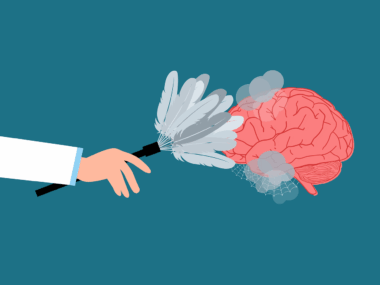

Detox Myths: What Really Affects Your Mental Clarity?
Detox diets promise many benefits, including improved mental clarity. However, many people may not understand the true effects of such diets on cognitive function. The idea that detox diets can cleanse your body and improve mental sharpness is a common myth. In reality, mental clarity is influenced by a variety of factors. These factors include overall diet, sleep patterns, and hydration levels. Understanding the source of mental fog is crucial in eradicating it effectively. Instead of relying solely on detox diets, individuals should focus on holistic approaches to improve their cognitive health. Whole foods rich in nutrients promote long-term mental clarity. Additionally, regular exercise can boost mood and cognitive functions significantly. Avoiding sugar and processed foods is also beneficial for maintaining a sharp mind. Comprehensive lifestyle changes often yield better results than quick fixes. It’s essential to recognize that magic solutions usually do not exist. To genuinely enhance mental clarity, seek sustainable habits rather than fads. It is important to equip oneself with accurate information to make informed health choices. This proactive approach will lead to significant advancements in cognitive wellbeing.
Understanding how various elements influence mental clarity is an integral part of wellness. Stress management plays a crucial role in cognitive functions. Chronic stress can lead to hormone imbalances, impacting mental clarity negatively. Engaging in mindfulness practices is essential. Techniques such as meditation, yoga, and deep-breathing exercises can alleviate stress and its effects. Additionally, social interaction is another significant aspect often overlooked. Regularly connecting with friends or family can greatly improve your emotional wellbeing, resulting in better cognitive health. Moreover, prioritizing good nutrition is vital. Consuming omega-3 fatty acids found in fish positively influences brain health. Foods like walnuts and flaxseeds are also great sources. Furthermore, staying hydrated is necessary for maintaining optimal brain function. Dehydration can impair concentration, leading to a decrease in mental productivity. Aim to drink enough water throughout the day. Supplementing with vitamins and minerals can also be beneficial in supporting cognitive function. Lastly, focus on improving sleep quality. Quality sleep is integral, as it supports memory consolidation and cognitive functioning. By recognizing these factors’ importance, one can navigate the myth surrounding detox diets and mental clarity effectively.
The Role of Nutrition in Mental Clarity
Nutritional choices are important when it comes to enhancing mental clarity. Many detox programs emphasize juicing or fasting, which can lack essential nutrients your brain requires. Instead of relying on these programs, consider incorporating nutrient-dense foods into your diet. Foods such as leafy greens, vibrant fruits, and whole grains provide necessary fiber and vitamins. Antioxidants found in colorful fruits effectively fight oxidative stress. Omega-3 fatty acids, present in fish, walnuts, and chia seeds, are crucial for brain function. Including a balance of these nutrients significantly enhances cognitive abilities. Moreover, probiotics can influence mental clarity. Gut health has been linked to brain health through the gut-brain axis. Consuming fermented foods like yogurt and kimchi supports a healthy gut microbiome. Furthermore, it’s critical to limit processed foods and sugar intake. Studies show that excess sugar can hinder cognitive performance. Whole foods, in contrast, support consistent energy levels. To improve mental clarity, focus on sustainable eating. Meal planning can be beneficial here, offering organization and ensuring the health of your diet. Overall, investing in nutrition holds the key to boosting your cognitive clarity sustainably.
Sleep hygiene profoundly affects mental clarity and cognitive performance. Many overlook the importance of restorative sleep in favor of quick detox methods. Inadequate sleep not only clouds judgment but also impacts decision-making abilities. Adults typically require 7-9 hours of sleep for optimal functioning. To enhance both sleep quality and mental clarity, establish a nightly routine. Avoid stimulants such as caffeine and electronics close to bedtime. Also, create a sleep-friendly environment by maintaining a dark, cool, and quiet atmosphere. Some gentle stretches or reading before bed can promote relaxation and, in turn, improve sleep quality. Sleep studies indicate that adequate rest positively contributes to memory retention and problem-solving skills. Regular sleep patterns result in better overall health and mental agility. Moreover, consider napping throughout the day for short periods if your schedule allows. Short naps can enhance focus, mood, and performance, offering a refreshing break. This balance is key for maintaining mental clarity. Acknowledge that a healthy lifestyle incorporates a blend of good nutrition, exercise, and quality sleep. Merely adopting detox diets doesn’t address the root causes of cognitive decline effectively. Instead, prioritize sleep and establish routines for better mental clarity.
Hydration: The Silent Factor
Hydration is a significant factor often underestimated in mental clarity discussions. Many individuals may not realize that even slight dehydration can lead to decreased cognitive functions. Symptoms such as fatigue, poor concentration, and mood swings can all arise from inadequate water intake. The brain is composed of about 75% water, highlighting the importance of staying hydrated for optimal performance. Aim to drink at least eight glasses of water daily to maintain cognitive functioning. Moreover, consider factors like climate and physical activity levels that can increase your hydration needs. To ensure adequate hydration, establish a routine of drinking water throughout the day. Carry a reusable water bottle to encourage constant sipping and monitoring of your intake. Incorporating hydrating foods like fruits and vegetables can also contribute positively. Foods such as cucumbers, oranges, and watermelon have high-water content and provide additional nutrients. Additionally, herbal teas serve as great alternatives to increase fluid intake. Avoid excessive amounts of caffeinated beverages which can dehydrate the body. Restoring proper hydration levels can significantly enhance mental clarity. When combined with other healthy lifestyle habits, hydration proves to be essential for achieving sharp cognitive results.
Finally, it’s important to recognize how lifestyle factors intertwine with mental clarity. Balancing work, life, and self-care is crucial for maintaining cognitive health. Individuals working in high-stress environments bear a greater likelihood of mental fatigue. Adjusting work-life balance can play a role in improving overall clarity. Consider setting aside time each week for self-care activities. Engaging in hobbies reduces stress levels and invigorates the mind. Additionally, incorporate physical activities like walking or exercising into your daily routine. Regular movement not only supports physical health but can enhance mental focus as well. Furthermore, aim for some quiet time each day to reflect, meditate, or simply breathe deeply. These practices foster mental clarity by reducing overwhelming feelings. Social support from friends or family also plays an integral role in mental well-being. Talking about concerns or sharing experiences can alleviate feelings of burden. Lastly, develop a positive mindset through practices such as gratitude journaling. Emphasizing the beauty of everyday moments significantly influences mental clarity. Embracing a holistic approach that encompasses nutrition, hydration, sleep, and lifestyle choices proves more beneficial than relying solely on detox regimes for cognitive improvement.
Conclusion: Mindful Approach to Detox
Understanding the disconnect between detox diets and mental clarity is paramount. While detox diets may provide short-term promises, they often overlook fundamental aspects of wellness. Emphasizing nutrition, hydration, sleep, and stress management are vital in achieving genuine cognitive enhancements. As we explore the complex relationship surrounding detoxing, it becomes evident that sustainable changes yield better outcomes than temporary solutions. Consider abandoning fad diets in favor of more balanced approaches to improving mental clarity. Adopting lifestyle changes focusing on whole foods, adequate water intake, and regular exercise proves beneficial. Additionally, prioritize restorative sleep while managing stress levels. Incorporating mindfulness practices encourages a calmer, more focused mind. Engage in activities that bring joy and fulfillment, as these contribute positively to well-being. Remember, mental clarity arises from multifaceted connections within our lifestyles. By replacing myths with evidence-based information, we empower ourselves in our wellness journeys. Taking control means making informed choices for our health. Ultimately, true mental clarity is achievable through dedication to self-care and understanding our body’s needs. The benefits will manifest across various aspects of life, including personal and professional integration.
These guiding principles offer a realistic look at health and wellness. The concept of a quick fix through detox diets proves inadequate in fostering mental clarity. Instead, commit to gradual lifestyle changes that naturally enhance cognitive functions. In conclusion, recognize the importance of a holistic approach. It transcends diets and taps into healthier choices in daily routines. Cultivating an informed perspective will help discern the myths surrounding detoxification and mental clarity. Ultimately, the focus should shift towards sustainable habits that nurture both body and mind. Your cognitive journeys will improve as health interests will flourish. Each small effort toward self-care paves the way for significant mental clarity advancements. Therefore, review your habits, educate yourself, and choose wisely for long-lasting health benefits. The clarity you seek is within reach. Transitioning from fad diets to holistic well-being will lead to noticeable improvement in cognitive function. Let this serve as an invitation to embrace a mindful approach to your health. Remember, the key lies in balanced, informed choices that radiate through various aspects of your life. Start making those choices today, and enjoy the profound benefits of clarity and wellness.