
The Impact of Mobility Drills on Athletic Balance and Stability
Mobility drills play a significant role in enhancing athletic performance by improving balance and stability. They involve dynamic movements that increase flexibility and range of motion, allowing athletes to perform better. When athletes incorporate mobility drills into their training routines, they can experience a substantial reduction in the risk of injuries. This is particularly important in high-intensity sports, where joint stability is vital. Athletes can benefit by practicing various mobility exercises that target specific joints, enhancing their athletic efficiency and effectiveness. Effective mobility drills must be tailored to align with the athlete’s specific sport, focusing on the movements they perform during competitions. Incorporating these drills into warm-ups is essential; it prepares the body for rigorous training sessions and competitions. Additionally, mobility drills aid in muscle recovery by enhancing blood flow and reducing soreness. Athletes should prioritize consistency in their mobility training to see lasting benefits over time. By doing so, they can build a robust foundation for overall athletic performance that translates directly into their desired outcomes in their respective sports activities.
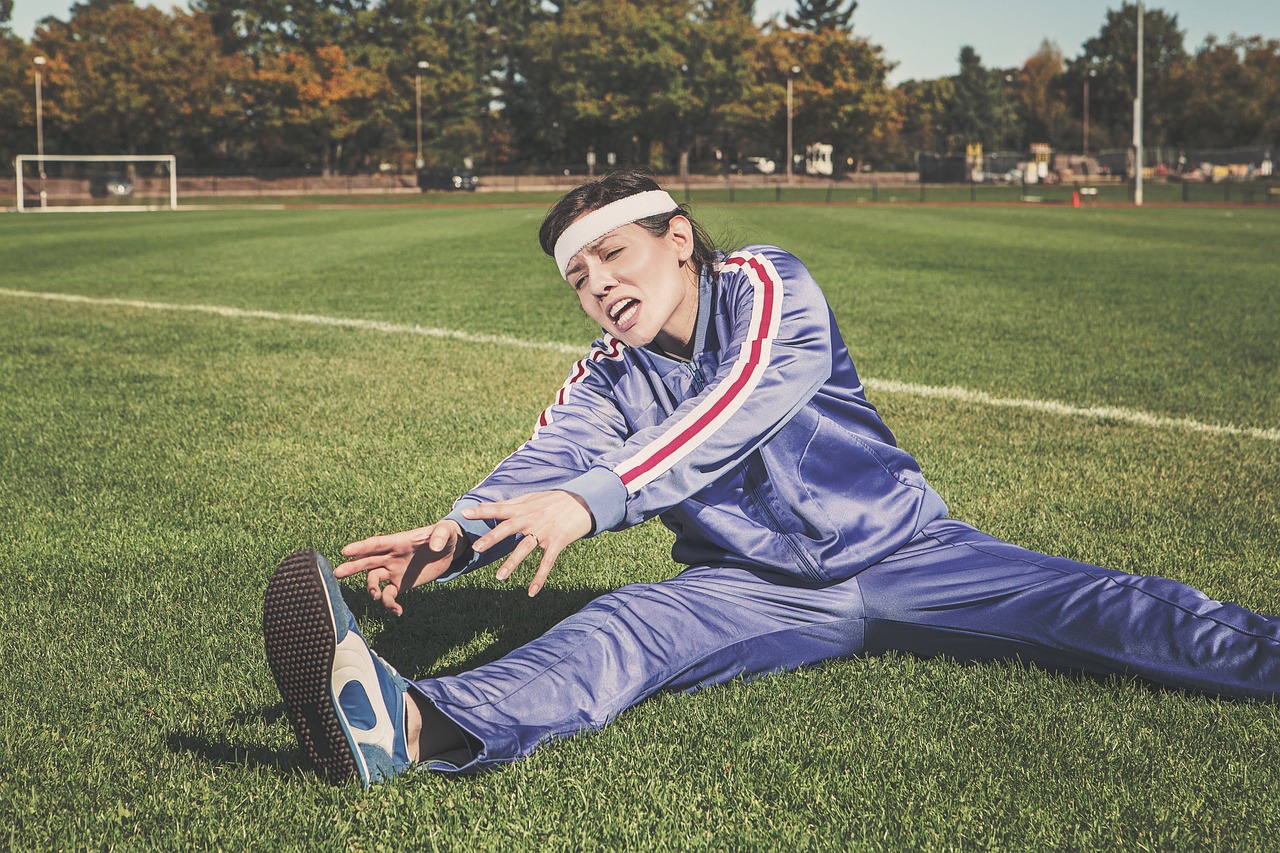
One effective approach to mobility drills is to utilize a combination of static and dynamic stretching. Static stretching involves holding stretches for an extended period, allowing for deeper tissue release. In contrast, dynamic stretching incorporates movements that mimic sport-specific actions, preparing the muscles and joints for activity. Implementing these techniques can improve stability and coordination. Focusing on exercises that increase hip mobility, such as leg swings and hip circles, can significantly enhance balance during athletic movements. Furthermore, upper body mobility, including shoulder rotations and thoracic spine stretches, is also crucial in achieving overall stability. Many athletes neglect these areas, but ensuring full-body mobility contributes to a more balanced physique. Engaging in mobility drills regularly can lead to improved proprioception, meaning athletes will have a better sense of their body position in space. A well-developed proprioceptive awareness fosters better balance and lessens the chance of falls or poor movement patterns. As athletes integrate mobility work consistently, they’ll likely observe more fluid movements and greater overall performance during competitions, leading to a heightened competitive edge.
The Science Behind Mobility Drills
Understanding the science behind mobility drills allows athletes to grasp their importance for balance and stability effectively. Research shows that increased flexibility can directly influence an athlete’s capability to maintain position and control during dynamic activities. Mobility drills engage muscle fibers in ways that static exercises cannot. Such engagement enhances muscle readiness, facilitating quicker and more coordinated responses to changing physical demands during sports performance. The impact of strength combined with flexibility results in a more stable base, ultimately fostering athletic prowess. Skilled athletes exhibit enhanced balance due to the neural pathways developed through consistent mobility training. Training these pathways encourages efficient and effective motion control. Additionally, mobility work is crucial in developing a greater awareness of body alignment, which is necessary for executing techniques with precision. Proper alignment contributes significantly to energy conservation during athletic performance, allowing athletes to sustain stamina over longer durations. Training literally “wakes up” the body’s movements, improving coordination by enhancing the communication between the brain and muscles required for balance, thus leading to improved performance and reduced injury risk.
To implement mobility drills effectively, athletes should focus on structured routines, ensuring that each session targets various muscle groups. Coaches can assist in developing these routines, tailoring them to meet specific athletic needs. It is essential to set progressive goals that include enhancing range of motion, strength, stability, and control. Gradually increasing the complexity of drills can foster continuous improvement and adaptation. For example, jumping and landing drills can be adeptly incorporated into a mobility routine. These not only enhance lower body mobility but also foster critical stabilization patterns useful in many sports. Additionally, utilizing equipment like foam rollers and bands can aid in deep tissue release and further enhance flexibility. Encouraging static holds and mobilizations with kettlebells or resistance bands can also challenge stability and strength concurrently. Athletes should make mobility drills an integral part of their warm-up, as this is when the body is best prepared for engaging in movement. Over time, the maintenance of these routines will facilitate long-term athletic development, allowing athletes to leverage their full potential during competitions.
Common Mobility Drills for Athletes
Several mobility drills can effectively enhance balance and stability in athletes across various sports. A popular choice is the deep squat stretch, which enhances hip, knee, and ankle mobility while promoting greater stability in the lower extremities. Another useful drill is the lunge with a twist, as it improves thoracic and hip mobility, essential for rotational sports. The world’s greatest stretch is another effective drill that targets multiple areas, enhancing flexibility in the hips, legs, and spine while building core strength. For upper body mobility, athletes can benefit from shoulder dislocates using a resistance band, promoting flexibility within the rotator cuff region. Incorporating ankle mobility exercises, such as calf stretches and ankle circles, is another vital aspect for athletes involved in sports demanding responsive movements. Additionally, the cat-cow stretch is particularly beneficial for promoting spine flexibility and alignment, essential for balance during dynamic movements. Implementing these drills consistently rewards athletes with improved performance and a noticeable reduction in injury rates due to enhanced balance and stability across disciplines.
As athletes continue to refine their mobility routines, tracking progress becomes crucial. Keeping a journal or utilizing fitness apps to record mobility drills, performance improvements, and any changes in flexibility can provide valuable insights. This reflective practice allows athletes to identify which drills yield the most benefits and how they can adapt their programming based on their unique progress. Furthermore, engaging with coaches or trainers for regular assessments can ensure that athletes maintain optimal performance levels. Integrating seasonal assessments can help athletes adjust their routines according to the competitive schedule, allowing for rest and recovery as needed. Awareness of personal limits and avoiding overtraining is vital to prevent injuries that might arise from fatigue. Athletes should also engage in active recovery strategies, like yoga or gentle stretching on rest days, to maintain mobility. Listening to the body is paramount during this process, encouraging intuitive decision-making regarding performance training and recovery. With patience and dedication, athletes can cultivate a robust mobility foundation that significantly impacts their athletic performance and resilience during competitions.
Conclusion
In conclusion, the impact of mobility drills on athletic balance and stability cannot be overstated. By integrating targeted mobility exercises into training routines, athletes can enhance performance, reduce injury risks, and improve overall versatility in their sport. Regular practice ensures that athletes develop a comprehensive understanding of their body mechanics and capabilities. Thus, implementing mobility work should be seen not as an option but as a core component of training programs. Athletes should actively prioritize mobility alongside strength and agility training, fostering a balanced approach to athletic development. Coaches, trainers, and practitioners play an essential role in guiding athletes through effective mobility drills. The cumulative effect of consistent mobility work can lead to significant improvements in athletic performance, enhancing resilience and adaptability in various competitive environments. Athletes who value mobility training will ultimately experience more profound growth and achievement in their athletic careers. Therefore, recognizing the importance of mobility drills is essential for athletes striving for excellence. They empower athletes to unleash their potential while enjoying improved physical capabilities and longevity in their chosen sports activities.
In recognizing the multifaceted benefits of mobility drills, we inspire athletes to take proactive steps toward enhancing their overall capabilities. Whether it’s through specific targeted exercises or general movement practices, mobility work strengthens the body and enhances athletic performance. From foundational stretches to dynamic drills, integrating mobility into daily routines can foster a lifelong commitment to improved health. Emphasizing balance and stability not only applies to sports but enriches everyday life skills as well. A commitment to mobility represents a commitment to self-care and awareness of one’s body. Ultimately, harnessing the potential of mobility drills is vital for athletic success, safety, and sustainability in sports. With thoughtful integration of movement work, athletes can develop a competitive edge over their peers, positioning themselves for continual success and enjoyment within their sport.