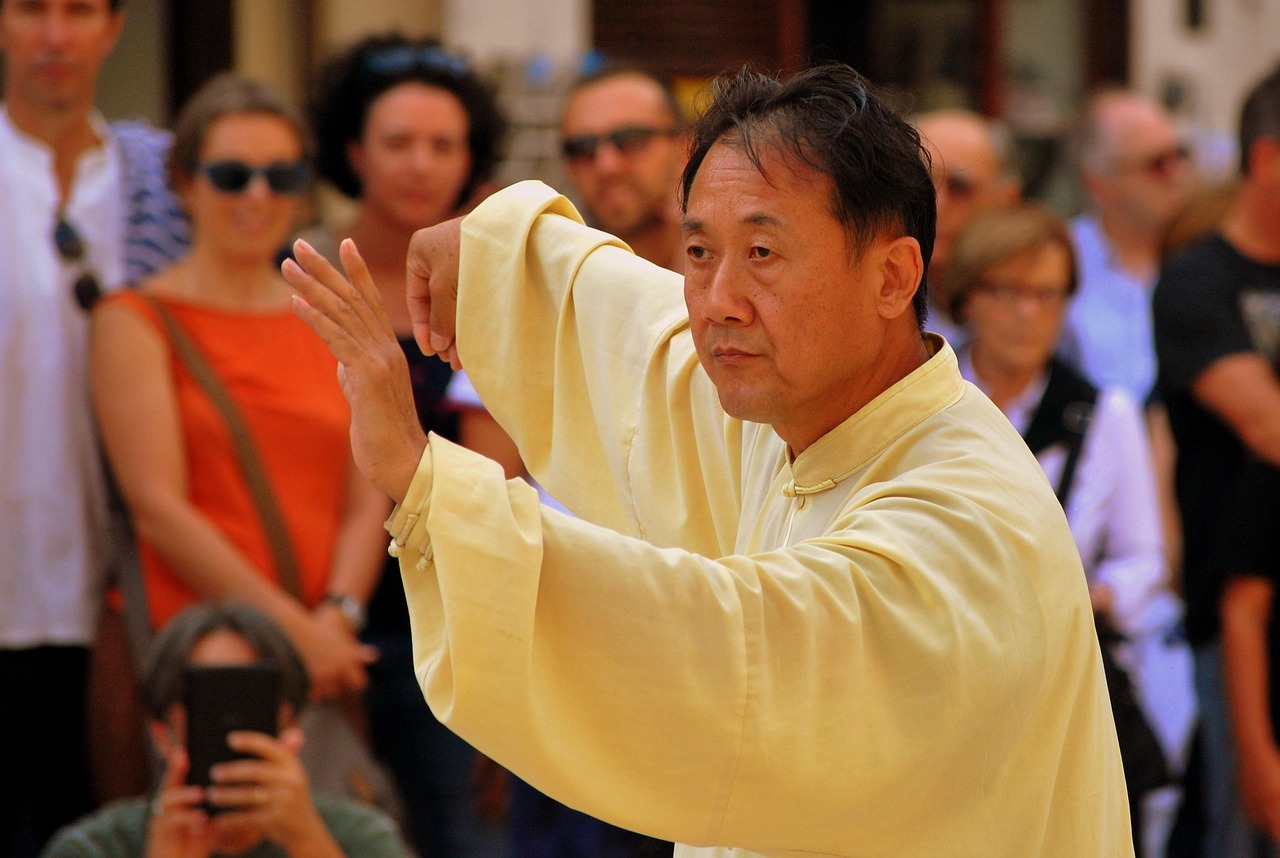

Eskrima for Stress Relief and Mental Wellbeing
Eskrima, rooted in Filipino martial arts, offers a unique blend of physical techniques and mental focus that can significantly aid in stress relief and enhancement of mental wellbeing. This ancient practice not only equips practitioners with self-defense skills but also promotes mental clarity through disciplined movements. Practicing Eskrima requires concentration, which can act as a form of mindfulness, pulling individuals away from their daily stressors and toward the present moment. The striking and flow drills improve coordination while also acting as a physical outlet for stress. When combined with proper breathing techniques, these movements can lead to enhanced relaxation and emotional regulation. Moreover, the social aspect of practicing Eskrima with a community fosters connections that are essential for emotional health. Regular engagement in this martial art helps build resilience by empowering individuals to confront challenges more effectively, both in the dojo and in everyday life. Ultimately, Eskrima serves as a holistic approach to mental wellbeing, integrating physical activity with stress management and community support, creating a well-rounded practice for personal growth and emotional stability.
The Psychological Benefits of Self-Defense Training
The training involved in Eskrima provides numerous psychological benefits, enhancing one’s mental health and stability. Self-defense training can mitigate symptoms of anxiety and depression by shifting focus from personal troubles to the mastery of skills and techniques in a supportive environment. Each training session creates opportunities for personal growth and self-confidence. Learning to execute movements with precision, and practicing with partners, fosters both a sense of accomplishment and a feeling of safety. The adrenaline released during drills can help to offset feelings of stress and tension, providing a natural boost to overall mood. Engaging in controlled sparring or drills encourages emotional expression and stress relief through movement, allowing practitioners to channel their frustrations into physical activity. Furthermore, the discipline required to learn Eskrima enhances focus, which may translate into other areas of life, reducing clutter in the mind. The sense of community among practitioners also provides an emotional support network, creating friendships that can enhance one’s sense of belonging. This intricate weave of psychological benefits makes Eskrima not just a martial art, but a pathway to improved mental health.
Physical activity has been extensively studied and linked to enhancements in mood and emotional wellbeing. Eskrima, being a dynamic and lively martial art, provides an excellent avenue for physical exercise. Regular participation promotes the release of endorphins, neurotransmitters that play a crucial role in alleviating stress and improving overall feelings of happiness. The movements in Eskrima are not merely about combat; they also incorporate physical fitness components that increase strength, flexibility, and cardiovascular health. This improvement in physical fitness represents a formidable counter to mental fatigue and stress, fostering a proactive approach to emotional challenges. Additionally, mastering techniques helps to promote self-discipline. Self-discipline can lead to improvements in self-esteem, creating a positive feedback loop that enhances emotional health. Through repetitive practice, practitioners can witness their own growth, building confidence as they develop new skills. Such confidence is essential; it forms a protective barrier against external negative influences, increasing the likelihood of responding positively to challenges. Regularly attending classes cultivates a routine, contributing to stability, which benefits mental health as well.
Many Eskrima training sessions emphasize partner drills, allowing participants to engage actively and socially. These partner drills are crucial for creating bonds between practitioners, resulting in a supportive community that can ease emotional burdens. Being part of a group fosters a sense of belonging, important for mental health, especially during stressful times. The collaborative nature of partner exercises in Eskrima also encourages trust and communication skills. Encouraging individuals to express their feelings effectively can alleviate tension and foster deeper relationships within the practice. Moreover, friendly competition during pair work enhances motivation, pushing individuals to step outside their comfort zones while ensuring a safe environment. Engaging with partners creates a unique connection that is therapeutic, providing emotional outputs that often enhance participants’ moods. Observing personal improvements through peer feedback also promotes psychological growth. This interconnectedness in practice offers participants an emotional anchor, making it easier to navigate the complexities of life outside the dojo. By investing time in building these relationships, practitioners can fortify their support systems, which are essential during challenging emotional times.
Breathwork is an essential component often integrated into Eskrima practice, serving as a foundation for stress relief and mental clarity. Focusing on breath can anchor the mind, allowing practitioners to experience meditative states that mitigate anxiety and stress. Proper breathing during training not only enhances physical performance but also increases self-awareness. Enhanced self-awareness allows practitioners to remain grounded during high-stakes scenarios, enabling them to respond rather than react impulsively. Learning to control one’s breath also provides a tool for calming the mind when faced with stressful situations outside of training. Furthermore, breathwork practices teach valuable lessons on patience and mindful living, encouraging individuals to foster awareness of their mental states. These breathing techniques can easily be adopted outside of training sessions, serving as daily reminders of the calm that can be cultivated through practiced habits. The combination of movement and mindfulness ultimately creates a balanced approach to health. As students grow in their ability to manage breath, they become more adept at tackling challenges in their everyday lives, leading to improved stress management and emotional regulation.
Integrating Eskrima into Everyday Life
Integrating principles drawn from Eskrima into daily life enhances both mental wellbeing and the ability to manage stress effectively. Values such as discipline, focus, and respect extend beyond the dojo into personal and professional realms. Practitioners can apply the techniques learned in training to resolve conflicts non-violently. Developing effective communication skills through sparring or practice encourages confrontational situations to be handled more peacefully. The perseverance instilled through mastering Eskrima techniques also empowers individuals to tackle everyday challenges with confidence and resilience. By recognizing and addressing stressors, practitioners can develop strategies to face those situations head-on. Moreover, regular training sessions create a routine that can be beneficial for mental health, encouraging individuals to prioritize their own self-care. Developing routines enables emotional stability, helping one manage life’s unpredictability more adeptly. As practitioners continue to grow their skills in Eskrima, they often find new perspectives on challenges, learning to adapt and evolve. These skills can be transformative, promoting emotional resilience that anchors one’s mental wellbeing through life’s ebbs and flows.
In conclusion, Eskrima serves as more than a martial art; it represents a comprehensive tool for stress relief and mental wellbeing. The multifaceted approach combines physical, emotional, and social aspects to create an enriching experience aimed at holistic health. Through movement, connection, and mindfulness, practitioners can cultivate a sense of empowerment and control over their lives. As students build confidence and foster trust within their community, they develop essential life skills that are applicable beyond the dojo. The blend of rigorous training, collaborative practice, and psychological components helps create a unique environment for growth. Furthermore, incorporating breathwork into training serves as a cornerstone for emotional regulation, cultivating calm amidst chaos. By utilizing the principles of Eskrima daily, individuals gain not just self-defense skills, but enhanced mental health benefits that permeate every aspect of their lives. Ultimately, those who embrace Eskrima can enjoy improved quality of life through a proactive approach to stress management. Investing in this martial art is investing in oneself, leading to emotional resilience and a more balanced approach to life’s various challenges.