
Meditation and Mindfulness Techniques for Marathon Runners
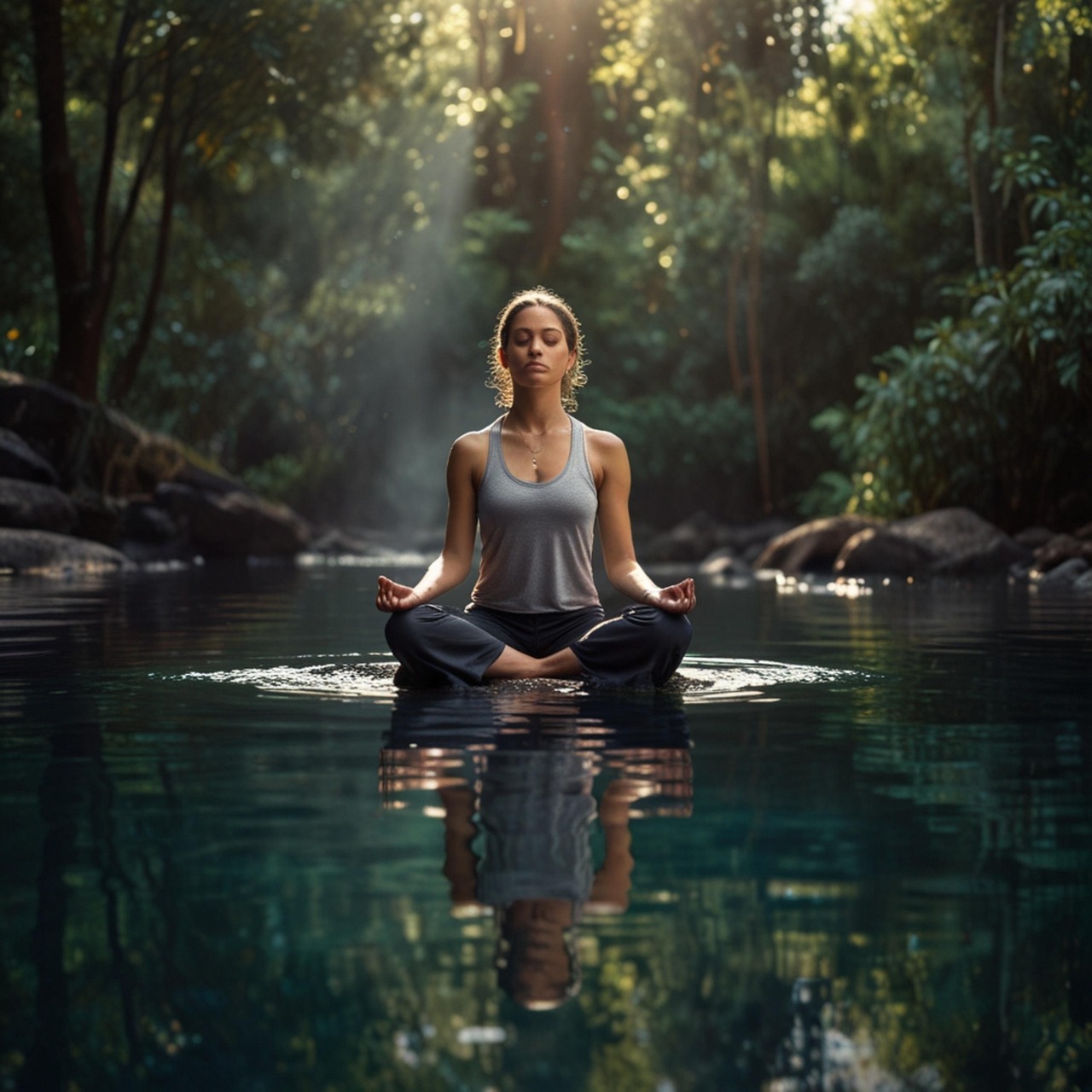
Marathon training demands not only physical strength but also mental resilience. As runners prepare, incorporating mindfulness and meditation techniques enhances their mental state significantly. One key aspect is the practice of focusing attention. Runners can benefit from training their minds to engage fully in each stride. By embracing the present, they become less distracted by thoughts of fatigue or performance. Mindfulness encourages awareness of bodily sensations, promoting a harmonious connection between body and mind. This approach helps to reduce anxiety associated with race-day nerves and performance expectations. Additionally, meditation fosters emotional stability, allowing runners to handle the physical and mental pressures of marathon training. Incorporating breathing exercises during runs can further enhance relaxation and concentration. A structured meditation routine, perhaps practiced several times a week, will cultivate these qualities deeply. Engaging with nature during runs can also augment a runner’s mindfulness practice, immersing them in their surroundings. Techniques like visualization can empower runners to mentally rehearse their performance, fostering confidence. Therefore, integrating meditation and mindfulness can transform not just training, but also race execution itself, leading to an ultimate marathon experience.
Breathing Techniques for Enhanced Performance
Effective breathing techniques can significantly influence marathon performance. Breath control fosters a greater oxygen intake which promotes endurance and stamina. Runners can practice diaphragmatic breathing to maximize their lung capacity. This technique involves inhaling deeply through the nose, allowing the belly to expand, followed by a slow, controlled exhale through the mouth. Mastering this technique prepares runners for long race segments where efficient breathing becomes essential. Another beneficial exercise is counting breaths, which aids focus and can enhance endurance. By aligning their breath with their footfalls, runners can create a rhythmic pattern, enhancing their overall performance and experience. This method further anchors runners’ awareness in the present moment, further reducing anxiety and distractions. Additionally, practicing breath-based meditation can deepen their capacity for relaxation during stressful training sessions. This kind of preparation allows runners to remain composed under pressure, especially as they approach race day. Practicing these techniques regularly can lead to stronger mental fortitude. As runners develop these skills, they find that they are not just improving physically, but they are also becoming mentally resilient, ready to tackle the marathon ahead.
Creating a pre-race visualization routine can be a strategic asset for marathon runners. Visualizing success enhances focus while reducing anxiety prior to the race. Runners should take time to imagine themselves crossing the finish line, feeling strong and victorious. This mental rehearsal process fosters a confident mindset and reduces nerves on race day. Practicing these techniques in the weeks leading up to the marathon can trigger physical sensations associated with positive outcomes, programming the mind for success. Furthermore, using imagery to mentally practice race strategies, such as pacing and hydration, can further empower runners. This encompasses not only the physical aspects but also positive emotions, helping them connect mentally to their purpose. Incorporating this technique into their training regimen promotes clarity regarding their performance goals. During long runs, incorporating brief moments of visualization may sustain motivation and focus. Engaging all senses while visualizing a race environment can boost the efficacy of this technique, connecting both mind and body. By the time race day arrives, the runner’s mind will be primed for success, tapping into both their training and newfound mental resilience as they tackle the marathon distance.
The Role of a Supportive Community
A supportive community plays a crucial role in enhancing marathon runners’ mental states through shared mindfulness practices. Joining running groups that emphasize meditation encourages camaraderie among participants. These groups often focus on both the physical activity of running and the mental aspects of training, such as reflection and mindfulness. Sharing mindfulness techniques within a supportive network fosters a sense of accountability, helping runners stay consistent with their meditation practices. Additionally, engaging in community mindfulness events, like group meditation sessions or mindfulness retreats specifically catered to runners, can facilitate deeper connections and shared commitment amongst participants. Runners motivate each other to embrace these techniques while they pursue their marathon training goals. This sense of community can alleviate feelings of isolation that individual runners often experience. Taking time to meditate or practice mindfulness in a group can also strengthen emotional bonds, fostering friendships driven by a shared passion for both running and personal growth. As runners progress, they can discuss their unique experiences, techniques, and challenges, enhancing their learning and mindfulness journey while preparing for the marathon.
Understanding the importance of rest and recovery in marathon preparation is imperative. Practicing mindfulness during these recovery periods help runners indulge in necessary relaxation. It is vital to emphasize that mental recuperation is just as important as physical recovery. Scheduling downtime allows both body and mind to rejuvenate. Mindfulness techniques such as yoga or gentle stretching can enhance this recovery time. Focusing on slow, deliberate movements encourages bodily awareness, fostering a connection to both physical strength and mental clarity. These practices help alleviate tension built up in the body from rigorous training. Creating a schedule that balances training, mindfulness practices, and recovery is essential for optimal performance. This balance also helps prevent burnout and promotes a sustainable training approach. Furthermore, integrating meditation into recovery can help analyze training sessions for improvement. Reflecting on past performances becomes an opportunity for growth rather than a source of pressure. Doing so allows runners to approach setbacks with a positive mindset. As runners listen to their bodies and utilize recovery periods effectively, they enhance both physical and mental resilience, well preparing them for the challenges of marathon day.
Emotional Regulation Through Mindfulness
Mindfulness practices offer marathon runners unique strategies for emotional regulation during their training and races. Recognizing emotions like anxiety or fatigue is a crucial skill that can dramatically slash the impact of these feelings. Practicing mindfulness enables runners to observe and acknowledge their emotions without judgment, creating space for healthier responses. For instance, when faced with fatigue during long runs or on race day, a mindful runner may take a deep breath, acknowledge the feeling, and choose to refocus on their breath or pace. This practice encourages resilience in the face of discomfort. Additionally, recognizing when negative self-talk surfaces provides an opportunity to replace these thoughts with positive affirmations. Techniques such as mantra repetition during runs can reinforce positive self-dialogue, cultivating a more supportive internal environment. This emotional awareness enhances overall performance, giving runners the tools to confront challenges with confidence. By training the mind to respond calmly to these challenges, runners can manage the emotional rollercoaster that often accompanies marathon preparation. Thus, integrating emotional regulation techniques through mindfulness will yield lasting benefits throughout their running journey.
Finally, the benefits of incorporating both meditation and mindfulness into marathon preparation are undeniable. Attaining this mental balance significantly shifts a runner’s experience. Runners may find their performance improved and their enjoyment of the training process enhanced. By thoughtfully engaging in these practices, runners cultivate resilience, focus, and emotional stability, which transform not only training but also race-day experiences. Incorporating mindfulness helps reduce anxiety, improve breathing, and promote overall mental clarity; all vital for long-distance running. Finding time to meditate can feel challenging, but prioritizing even brief sessions can lead to substantial progress. As runners invest in their mental strategies, they will likely discover that their capacity to push through discomfort has developed considerably. This newfound mindset can fuel their passion and determination as they prepare for marathons. As they connect with others in their community through shared practices, their journey becomes one of growth and connection. Ultimately, developing a more profound understanding of how mindfulness and meditation impact running allows for holistic improvements in not only their performance but their overall quality of life.
Conclusion: Preparing for the Marathon Journey
In conclusion, embracing meditation and mindfulness techniques can be transformative for marathon runners. By incorporating strategies like breathing techniques, visualization, and emotional regulation, runners are better prepared for the mental and physical challenges ahead. Creating and nurturing a supportive community can significantly enhance a runner’s experience, both in training and during races. Runners must remember the value of rest, recovery, and self-compassion throughout their journey. As they develop these skills, they will appreciate the balance between physical training and mental resilience. The marathon journey becomes not just an athletic challenge, but also a journey of self-discovery. Mental fortitude developed during training helps build confidence and ability on race day. As runners learn to embrace the present moment, they foster a stronger connection with their bodies and experiences. Ultimately, this holistic approach to marathon preparation adds depth and richness to every stride taken. Practicing mindfulness not only enhances running performance but also enriches personal growth. Therefore, as they lace up their shoes and hit the road, runners should feel empowered by the mental tools they have acquired along their journey.