
Analyzing Common Injury Causes in Bodybuilding Competitions
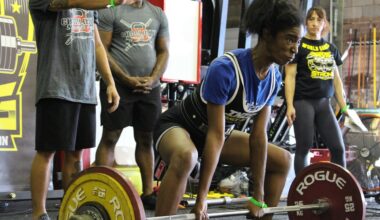
Bodybuilding competitions are incredibly demanding and can lead to various injuries among participants. Understanding the common causes of these injuries is crucial for athletes. Overuse injuries are prevalent due to repetitive strain on muscles and joints. Many bodybuilders push their limits too far during training, often neglecting proper recovery. This results in chronic issues like tendonitis or stress fractures that may sideline an athlete. Poor form is another significant factor contributing to injuries. When lifting heavy weights, improper technique can lead to acute injuries, such as muscle tears. Furthermore, insufficient warm-up or cool-down routines during training exacerbates the risk of injury. Another critical aspect pertains to the equipment used in training. Using poorly adjusted or inadequate equipment can increase the likelihood of injury. Bodybuilders must ensure that they are utilizing proper weights that are manageable. Finally, inadequate nutrition can weaken bones and muscles, increasing injury susceptibility. Ensuring a balanced diet rich in protein and other essential nutrients is paramount for injury prevention. To achieve optimal performance, bodybuilders need to prioritize both training and recovery strategies to prevent injuries.
Identifying Specific Injury Types
Several specific types of injuries frequently occur in bodybuilding competitions. These injuries arise due to various factors, including overtraining and improper technique. One prevalent type is shoulder injuries, which stem from excessive overhead lifting or poor form during exercises like bench presses. Rotator cuff injuries are common, often resulting in pain and limited range of motion. Furthermore, low back injuries can result from improper deadlifting techniques or lack of core strength. Athletes tend to overlook taking sufficient breaks, leading to chronic low back pain. Another common issue is knee injuries, such as patellar tendonitis, often referred to as “jumper’s knee”. Bodybuilders may experience this from repetitive squatting without proper technique. Moreover, elbow injuries, including golfer’s elbow or tennis elbow, can occur when too much strain is placed on the forearm tendons. Wrist injuries are also problematic, particularly from lifting heavy weights without adequate wrist support. Lastly, hamstring strains can cause significant disruptions, frequently occurring during leg workouts or sprints. Recognizing these injuries empowers competitors to implement preventive measures, reducing the risk during training and competition.
To help prevent injuries, it’s vital to incorporate strength training methods correctly. Proper form during workouts is essential to avoid mishaps. Athletes should engage a knowledgeable coach or trainer to ensure they are executing lifts accurately. Additionally, adequate warm-up routines can prepare the body for intense activity. Engaging in dynamic stretching or light cardio elevates muscle temperature and increases flexibility. Following up with strength training, athletes must ensure they do not overload weights and remain within their limits. Moreover, cross-training can enhance physical capability, allowing the body to adapt to varying forms of exercise. Diversifying workouts keeps muscles engaged while reducing the risk of overuse injuries. Proper nutrition plays a substantial role in injury prevention as well; consuming a balanced diet rich in anti-inflammatory foods can diminish inflammation in the body. Hydration remains crucial too, as dehydration can impair muscle function and lead to cramping. Listening to the body and recognizing signs of fatigue can guide athletes toward appropriate rest and recovery. Recovery strategies like massage, foam rolling, and adequate sleep contribute significantly to long-term health. Adopting these practices yields positive outcomes.
Role of Recovery in Injury Prevention
Recovery is often overlooked but is an integral aspect of athletic performance and injury prevention in bodybuilding competitions. When muscles recover properly, they can repair and grow stronger, minimizing the likelihood of injuries. Implementing active recovery techniques, such as light cardiovascular exercises or yoga, can promote blood circulation and enhance muscle repair. Furthermore, athletes should prioritize sleep as it plays a critical role in recovery; during deep sleep, the body undergoes crucial processes necessary for muscle repair and growth. Additionally, incorporating rest days into training allows the body to heal, reducing the risk of overuse injuries. Nutrition also impacts recovery, emphasizing the need for protein intake post-workout to facilitate muscle repair. Consuming inflammation-reducing foods, such as fruits and vegetables, supports overall joint and tissue health. Another effective approach is to engage in regular stretching routines, which improve flexibility and maintain a healthy range of motion in joints. Hydration is a crucial factor as well; replenishing lost fluids encourages optimal muscle function. Altogether, recognizing the vital significance of recovery will help bodybuilders optimize their training while minimizing injury risks.
Peer support within bodybuilding communities can significantly impact an athlete’s journey towards injury prevention. Encouragement from fellow competitors fosters a positive environment conducive to exercise and nutrition. Creating a culture around safety only enhances the likelihood that individuals will prioritize proper form and recovery practices. Moreover, sharing experiences regarding injuries and recovery plans can pave the way for learning valuable lessons. It is often beneficial to collaborate with others, mapping out training schedules that incorporate sufficient rest days. Bodybuilding can sometimes feel solitary, but connecting with like-minded individuals eases the journey. Athletes often share tips on effective warm-up techniques, nutritional strategies that prevent inflammation, and ways to engage in active recovery. Furthermore, engaging in group workouts or classes can keep motivation levels high, encouraging adherence to safe practices. Social support can forge lasting relationships, providing athletes with a motivational boost when they face challenges. Participating in discussions about setbacks and victories within these communities also fosters understanding of injury impacts. In the end, building a network of supportive peers creates an empowering experience while promoting injury prevention strategies.
Importance of Mental Health
Mental health plays a critical role in injury prevention among bodybuilders, influencing both performance and recovery. Overlooking mental wellbeing can lead to burnout, ultimately increasing the risk of injuries. When athletes are mentally drained, their focus and motivation may wane, leading to unintentional poor form during workouts. Additionally, stress and anxiety can translate into physical tension, manifesting in muscle tightness and potential injuries. Recognizing these mental health challenges is essential for athletes. Implementing mindfulness techniques, such as meditation or yoga, can help alleviate stress while boosting resilience. These practices increase awareness of body sensations, further informing athletes about their limits. Importantly, fostering a growth mindset allows individuals to view setbacks as opportunities for learning. Embracing realistic expectations while setting achievable goals is crucial to avoiding frustration, which may lead to reckless training habits. Furthermore, taking the time for self-reflection enables bodybuilders to remain in tune with their mental health, allowing for timely adjustments to training. Promoting mental wellness contributes to a holistic approach to injury prevention and enhances overall performance. Ultimately, understanding the dynamics of mental health surfaces as essential to mastering bodybuilding safely.
Acknowledging the role of healthcare professionals in injury prevention is crucial for bodybuilders. Many athletes rely on coaches for training advice, but incorporating physical therapists into their training regimen can enhance safety. Physical therapists specialize in identifying improper movement patterns, providing valuable insight to reduce injury risks. Collaborating with these professionals can also result in tailored rehabilitation programs, addressing any previous injuries. Furthermore, consulting with dietitians plays a significant role, particularly regarding maintaining a balanced nutritional plan to support muscle recovery. Regular check-ups serve as preventive measures by diagnosing potential issues before they become more severe. Athletes should prioritize being proactive about their health. Staying informed about potential risks and recovery resources is beneficial in maintaining longevity in the sport. Using technology such as wearable devices can also aid in monitoring physical performance while providing real-time feedback about form and intensity. Collectively, these practices foster well-rounded bodies and minds, ensuring athletes excel in competitions while being mindful of injury prevention. The integration of qualified healthcare professionals into training systems offers a pathway to optimize performance safely.