
CrossFit Powerlifting: The Ultimate Guide to Strength and Conditioning
CrossFit Powerlifting is an exciting hybrid fitness methodology that incorporates the explosive movements of CrossFit with the heavy lifting techniques found in powerlifting. This unique combination allows athletes to build exceptional strength while enhancing their overall cardiovascular fitness. In essence, CrossFit powerlifting leverages traditional powerlifting exercises such as the squat, deadlift, and bench press and integrates them with high-intensity functional training to maximize performance. The benefit of this system is that it produces well-rounded athletes capable of excelling in both strength and endurance. Additionally, participants can enjoy the motivational aspects of group workouts found in the CrossFit environment. By combining these two power-driven disciplines, athletes can achieve greater levels of fitness than through either training method individually. The blend of lifting heavy weights with dynamic movements challenges the body. It encourages not only progressive overload in strength training but also promotes increased metabolic rates and fat loss. If you’re looking to refine your approach to strength and conditioning, delving into CrossFit powerlifting could provide the ultimate solution for attaining your fitness goals and expanding your workout horizons.
The Benefits of CrossFit Powerlifting
This training regime offers numerous benefits affecting both the physical and psychological aspects of fitness. Firstly, combining strength training with high-intensity workouts enhances muscle development and increases overall power output. This shift in focus allows athletes to target multiple muscle groups simultaneously, leading to improved endurance and reduced training time. Secondly, participants tend to experience better joint stability and mobility, reducing the risk of injury during workouts. Furthermore, engaging in these compound exercises encourages functional strength, which can significantly improve performance in other sports and daily life activities. Thirdly, the social aspect of CrossFit powerlifting played a vital role in fostering community engagement. Working out alongside others provides camaraderie and motivation, encouraging athletes to push themselves further. Maintaining a supportive environment often leads to increased accountability among peers, resulting in better adherence to fitness goals. Additionally, the challenging nature cultivates a strong mindset and mental toughness. Athletes learn to embrace lifting heavy weights while dealing with fatigue and discomfort effectively. These lessons are crucial not just in fitness but also in overcoming obstacles in life. CrossFit powerlifting builds strength in both body and mind through consistent practice and perseverance.
To ensure you derive maximum benefits from your CrossFit powerlifting sessions, proper programming and technique considerations play a crucial role. For starters, it is essential to establish a foundation of strength and endurance to minimize injury risk while improving performance. A well-structured program incorporates various components, including dynamic warm-ups, strength-specific lifting, and high-intensity conditioning. The right blend of these elements enhances overall athletic capacity. Next, athletes must focus on perfecting their lifting techniques to ensure optimal mechanics and performance. Coaches and experienced athletes can provide invaluable feedback during this process, as improper form can lead to injuries or plateaus in performance. A well-designed coaching regimen emphasizes individual strengths and weaknesses while promoting functional movement patterns. Regularly incorporating powerlifting lifts and progressive overload strategies is also necessary, as this approach enables gradual strength gains over time. Recording workouts and tracking progress helps maintain motivation, allowing athletes to see how their strength continues to evolve. Overall, strategic programming and consistent practice are integral to the successful integration of CrossFit and powerlifting techniques, enabling athletes to reach impressive new heights during their strength and conditioning journeys.
Nutrition Strategies for CrossFit Powerlifting
Nourishment plays a vital role in optimizing performance in CrossFit powerlifting. A well-planned nutrition strategy supports energy levels and aids recovery while maximizing muscle growth. The first step is to focus on meeting individual caloric requirements, which may vary depending on factors such as body weight, training intensity, and fitness goals. By calculating necessary macronutrient ratios, athletes can determine optimal protein, carbohydrate, and fat intake. Protein intake should be prioritized to support muscle repair and growth, with recommendations typically between 1.2 to 2.2 grams per kilogram of body weight. The inclusion of complex carbohydrates is equally essential to provide the energy needed for high-intensity workouts and facilitate recovery. Good sources of carbohydrates include whole grains, fruits, and vegetables. Additionally, healthy fats should not be neglected, as they contribute vital nutrients that support hormonal balance and overall health. By implementing effective meal timing strategies, athletes can maximize their nutritional plans. Consuming protein and carbohydrates before and after workouts enhances performance and aids recovery. Together, these nutrition strategies form a robust foundation for those pursuing success in CrossFit powerlifting while supporting overall health and well-being.
CrossFit powerlifting also emphasizes the importance of recovery. Adequate rest and recovery allow muscles to repair and adapt to the stress placed on them during intense training sessions. Athletes should prioritize post-workout recovery techniques such as foam rolling, stretching, and perhaps incorporating yoga practices to promote flexibility and mobility. Incorporating rest days into training schedules ensures optimal adaptation and minimizes the risk of overtraining. Additionally, quality sleep plays a significant role in the recovery process; it has a direct impact on performance and energy levels. Establishing healthy sleep patterns and setting aside sufficient time for rest are critical aspects of an effective training regimen. Nutrition choices during this recovery period should be strategic as well, with adequate hydration and nutrition playing a vital role in muscle repair. Supplements may also provide benefits when aligned with individual goals and consulting professionals can provide further guidance. Moreover, maintaining mental resilience is essential for long-term success in CrossFit powerlifting. Strategies like visualizing performance and setting incremental goals can aid in sustaining motivation and commitment. Prioritizing recovery ultimately leads to a well-rounded approach to strength and conditioning, resulting in sustained improvement and performance.
Key Exercises in CrossFit Powerlifting
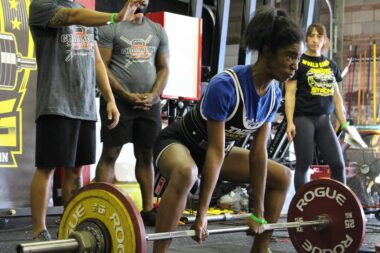
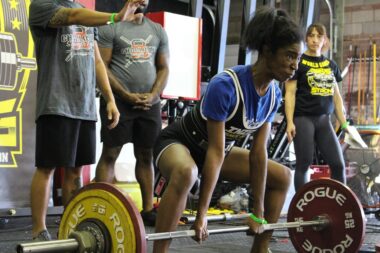
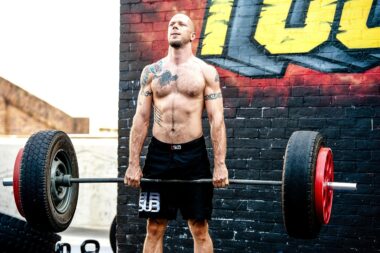
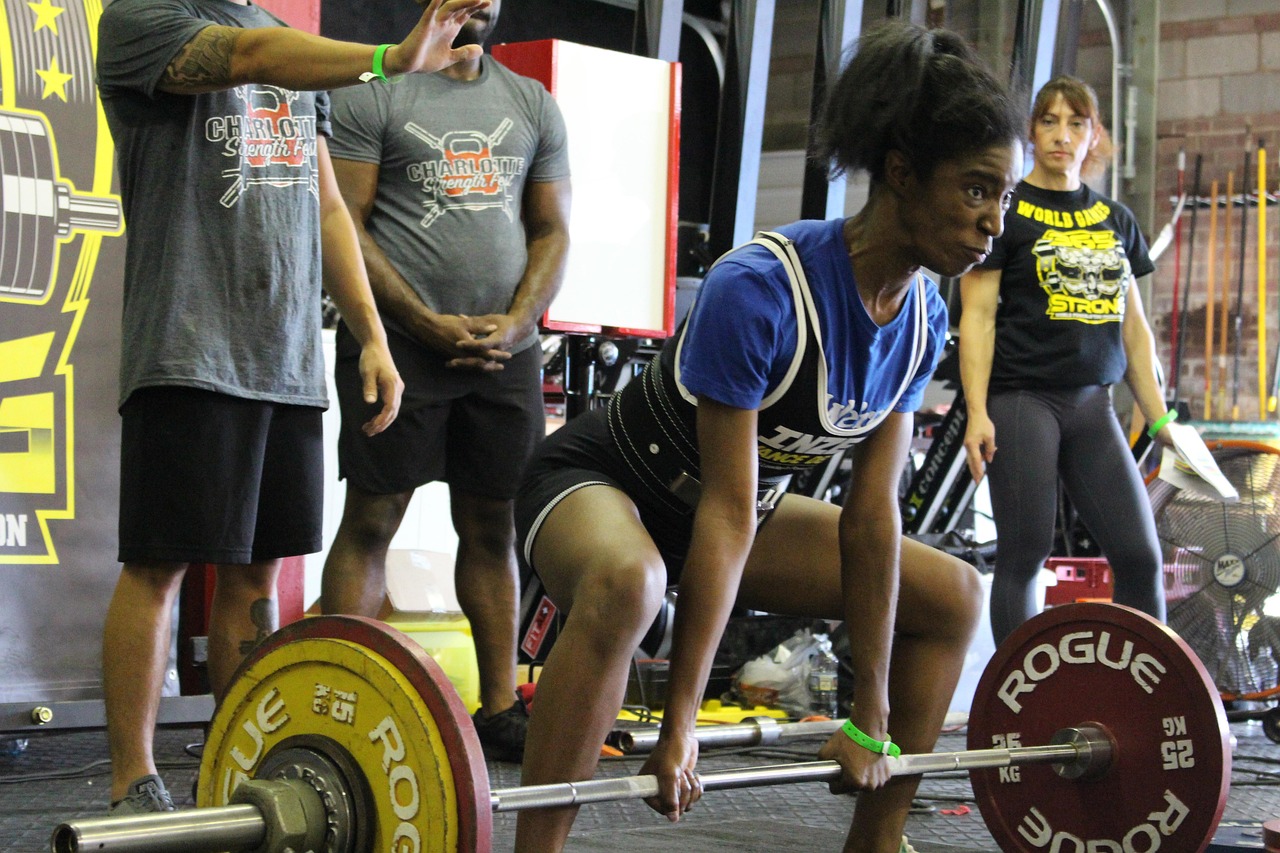
A variety of essential exercises contribute to a successful CrossFit powerlifting program. Key movements involve three primary strength lifts: the squat, bench press, and deadlift. These lifts form the foundation of powerlifting, as they engage multiple muscle groups and promote functional strength development. The squat focuses primarily on the quadriceps, hamstrings, and glutes while enhancing core stability. Performing variations such as front squats and overhead squats can promote further strength adaptation and flexibility. The bench press targets the chest, shoulders, and triceps, offering an effective upper body strength workout. Additionally, alternating between different grip styles can facilitate muscle balance, ensuring comprehensive development. The deadlift is another vital movement that emphasizes posterior chain activation, engaging muscles in various regions, including the lower back, glutes, and hamstrings. Variations such as sumo and Romanian deadlifts allow athletes to target specific muscle groups for improved overall development. In conjunction with these primary lifts, accessory movements like kettlebell swings, lunges, and Olympic lifts enhance power capacity and explosive strength. These exercises create a balanced CrossFit powerlifting regimen, ultimately contributing to maximizing strength and performance levels while minimizing injury risk.
In conclusion, CrossFit powerlifting is a unique training methodology that offers an effective, engaging, and versatile approach to strength and conditioning. By incorporating the principles of CrossFit with traditional powerlifting movements, athletes create a dynamic fitness regimen that promotes endurance and muscle growth. This hybrid training model caters to various skill levels and encourages community engagement, enhancing motivation and commitment. To succeed in this discipline, athletes must prioritize proper programming, nutrition, recovery, and technique. Consistently challenging oneself by mastering key exercises while promoting overall strength development ensures substantial progress over time. As individuals embark on their CrossFit powerlifting journey, they must remain adaptable, open to learning from both successes and failures. Effective goal setting and performance tracking are crucial for maintaining motivation and ensuring continued growth. Overall, embracing CrossFit powerlifting allows athletes to transform their strength training approach into a well-rounded adventure that offers both physical and mental challenges. This ultimate guide serves as a starting point for those interested in enhancing their fitness levels. With dedication and a willingness to learn, individuals can achieve remarkable heights in their pursuit of strength and conditioning excellence. The journey is only just beginning, so lace up those shoes and dive into lifting!