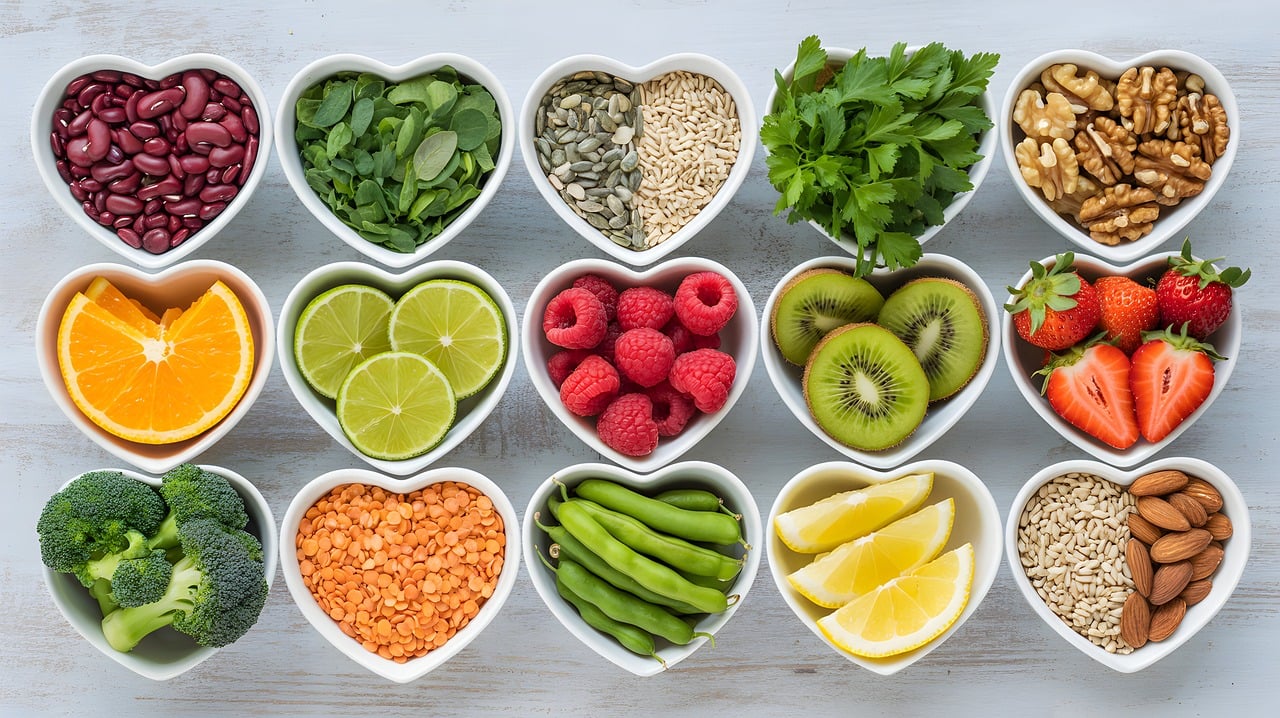

How to Keep Pre-Workout Meals Fresh and Delicious
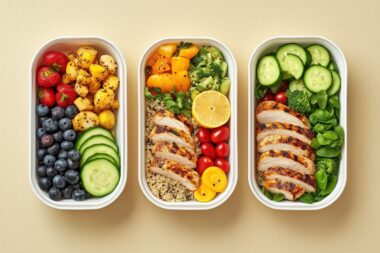
Pre-workout meals are crucial for enhancing performance. Proper nutrition before exercise can significantly impact results. The right balance of carbohydrates and proteins fuels your workout effectively. Meal prepping is an excellent way to ensure your body receives the needed nutrition without hassle. However, keeping those meals fresh is essential to maintain taste and nutritional value. First, consider using airtight containers for storage. They help prevent air from spoiling your food while retaining moisture. Additionally, opt for glass containers. Glass is often better than plastic as it does not leach harmful chemicals into food. Next, portioning your meals can contribute to keeping them fresh. Each portion can be kept separate, making it easier to grab a nutritious meal on busy days. Furthermore, freezing meals is another method worth considering. Foods like chicken, rice, and vegetables can be frozen and still taste great when reheated. Incorporating seasonings before freezing can enhance flavors. Finally, ensure that you label each container with the date it was prepared. This practice helps you track freshness and keeps your meals enjoyable.
Choosing the Right Ingredients
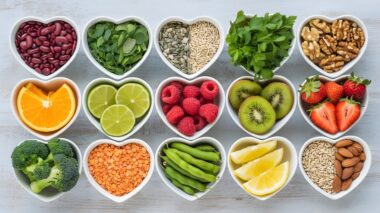
The key to delicious pre-workout meals is ingredient selection. Choosing fresh, high-quality components not only improves flavor but also boosts nutritional value. Begin with wholesome carbohydrates such as brown rice and whole-grain pasta. These options provide sustained energy throughout your workout. Additionally, include lean proteins in your meals like grilled chicken, turkey, or legumes. Proteins are crucial for muscle repair and growth after exercise. Fruits and vegetables should never be overlooked; they add essential vitamins, minerals, and antioxidants to your meals. Berries, bananas, and spinach are great additions that enhance taste and nutrition. It’s also important to pay attention to portion sizes when preparing these meals. Overloading on any food group can lead to discomfort during workouts. Balanced meals with appropriate portions of carbs, proteins, and fats are ideal. Healthy fats from sources like nuts or avocados can help provide sustained energy. To enhance cooking efficiency, consider using seasonal ingredients. They are often fresher and more flavorful, making your pre-workout meal prep enjoyable and effective.
Another important aspect of meal prep for pre-workout nutrition is planning ahead. Create a weekly meal schedule that incorporates various ingredients, ensuring diversity. This prevents boredom and keeps you motivated to stick to your nutrition fuel. Having a collection of go-to recipes can also ease the process of preparing meals. Experiment with different spices and cooking methods to add excitement back into your routine. Consider making larger batches and splitting them into individual servings. This saves time and energy during busy weeks, allowing you to focus on your workouts. Remember to consider your activity level when planning meals. If you know you’ll have an intense workout, slightly increase your carbohydrate intake beforehand. Conversely, if your workout is lighter, adjust your portions accordingly. To make meal preparation more enjoyable, involve friends or family. Cooking together could inspire new ideas and strengthen your support network. Finally, stay flexible. If some meals don’t turn out as expected, try adjusting flavors or ingredients until they satisfy your taste. Flexibility ensures your meal preps remain enjoyable and delicious.
Storing Pre-Workout Meals Safely
Proper storage techniques are fundamental for keeping pre-workout meals fresh and delicious. After cooking, allow your meals to cool down before placing them in storage. Rapid cooling helps preserve texture and flavor. Once cooled, transfer them into containers that seal tightly. Keep in mind that different types of foods require different storage methods. For instance, grains can be stored in bulk, while cooked proteins should be in airtight containers. Also, be aware of refrigeration protocols. Foods should be stored at or below 40°F (4°C) to prevent bacterial growth. When stored correctly, cooked meals can last in the fridge for about three to four days. If longer storage is needed, consider freezing the meals instead. Proper freezing keeps food safe for months, retaining most flavors and nutrients. When you’re ready to eat, defrost meals in the refrigerator rather than at room temperature. This prevents spoilage and keeps your food thank you. Furthermore, reheating should be done thoroughly, ensuring meals reach at least 165°F (74°C) for safe consumption. These practices will help you maintain delicious and nutritious pre-workout meals.
Beverages are often overlooked in meal prep but can significantly impact your workout performance as well. Hydration is crucial, and understanding when to drink can optimize your pre-workout nutrition. Water is essential, but consider incorporating electrolyte-rich beverages. Drinks with added electrolytes can help replenish losses during exercise. You can create your hydrating drinks with fruits and herbal teas, which add flavor and nutrients. Furthermore, timing your hydration is just as important. Aim to hydrate at least 30 minutes before your workout. This allows your body to absorb fluids and prepare for physical activity. For energy, smoothies filled with fruits and proteins can also serve as pre-workout nutrition. Adjust the ingredients based on your goals, incorporating greens, protein powders, or nut butters for a well-rounded drink. However, assess which beverages suit your body’s needs. After trying various drinks, stick to what feels best for you during workouts. Lastly, keep an eye on sugar content in pre-packaged drinks. Some may contain excessive sugars that could cause energy crashes, leaving you fatigued during your workout.
Making Meals More Exciting
Keeping pre-workout meals fresh and delicious also involves creativity in preparation. Boring meals tend to demotivate individuals from sticking to their nutrition routine. Therefore, introducing new recipes regularly can keep things interesting. Explore various cuisines and cooking techniques that allow you to enjoy different flavors while meeting nutritional needs. For instance, consider adding global spices like turmeric or paprika to create unique flavor profiles. Furthermore, don’t hesitate to mix textures in your meals; pair crunchy vegetables with soft grains, or hearty proteins with smooth sauces. Additional toppings or sides can also enhance your meals’ visual and taste appeal. For example, a sprinkle of nuts or seeds can add delightful crunchiness and healthy fats. You can also invest in a few different kitchen gadgets, like a spiralizer or an air fryer, to create new meal options. Another way to elevate your pre-workout meal game is to create themed meal prepping days, focusing on a specific cuisine each week. This approach can add enjoyment back into meal preparation and generate excitement for trying new dishes.
Finally, it’s essential to listen to your body when prepping pre-workout meals. Individual preferences play a significant role in the types and amounts of food that suit your unique nutritional needs. You may discover new favorites that enhance your workout experience while providing necessary sustenance. Keeping a food diary can also assist you in understanding which meals best boost your energy levels and recovery. Take time to analyze your meals and document their effects on your performance. This setup allows you to adjust your meal prep according to what works best for you. Don’t shy away from consulting with a nutritionist or dietitian, as they can provide personalized guidance on meal prep for fitness goals. Participating in fitness communities online may also inspire fresh ideas and encouragement. Finally, remember that consistency is key. By making nutritious pre-workout meals a priority, you can create a significant positive impact on your fitness journey. Routine meal prepping not only keeps your food fresh but also supports long-term wellness goals.