
Exercise Balls for Physical Therapy: Best Models for Rehabilitation
Exercise balls have gained incredible popularity for rehabilitation purposes, serving as an essential tool for physical therapy. They are particularly useful for enhancing core strength, stability, and flexibility—key components in various recovery programs. Many professionals recommend these balls because they are versatile and accessible. They can be utilized in various exercises that focus on different muscle groups. A properly chosen exercise ball can cater to the unique needs of a patient. Not all exercise balls are created equal, which is why it’s crucial to select the right one. Consider factors such as the size, weight capacity, and material quality. Moreover, different colors often signify varying uses or levels of difficulty, adding an element of customization for specific therapy requirements. Patients should consult their healthcare providers to determine the best option tailored to their rehabilitation goals. In summary, exercise balls provide a comprehensive approach to recovery, improving balance and coordination while being enjoyable to use. You can explore numerous models on the market today to find the perfect match for your therapeutic needs.
One of the top-rated options for rehabilitation is the TheraBand Stability Ball. This ball stands out because of its superior durability and grip, which minimizes the risk of slipping during exercises. The material is incredibly resilient to punctures, ensuring that it remains intact while in use. Ideal for various conditions, it helps restore strength and mobility effectively. Many users find that it provides excellent feedback during training, which enhances their exercise experience. Furthermore, it’s lightweight and easy to inflate, making it portable for use at home or in clinical settings. The ball complies with international safety standards and has multiple size options to cater to every need. Patients can easily find exercises designed specifically for their conditions to maximize their recovery. The TheraBand Stability Ball can support diverse therapy regimens, ranging from lumbar stability to shoulder rehabilitation. It is highly recommended by therapists who have seen improvements in the performance of their patients. This model has gained an excellent reputation in the physical therapy community, ensuring that users can trust its effectiveness.
Top Features of Exercise Balls
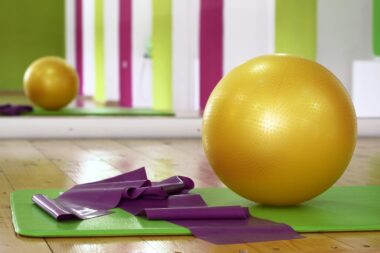
Understanding the essential features of exercise balls can significantly affect your rehabilitation experience. First, the size of the ball is crucial; it should align with the user’s height for optimal benefits. Generally, larger balls are more suited for taller individuals while smaller options benefit those who are shorter. Secondly, the material used in the construction of the ball should be considered; look for high-quality, anti-burst materials for safety. Additionally, the weight capacity of the ball is essential; ensure that it can withstand your body weight without compromising stability. Another feature to assess is the texture of the exterior; a grip-friendly texture minimizes slipping during exercises. Some balls come with features like additional resistance bands or guides for proper usage. Moreover, aesthetic preferences can also play a role; colorful options can enhance motivation during workouts. Finally, whether the ball is inflatable or comes with a pump included is also worth noting for convenience. By paying attention to these features, you can select a model that matches your rehabilitation goals effectively, ensuring a productive recovery process.
Another excellent choice for rehabilitation is the Black Mountain Products Stability Ball. This stability ball is a favorite among physical therapists and fitness instructors. It is designed with safety in mind, featuring an anti-burst technology that maintains its form even under significant pressure. Users appreciate its wide range of sizes, which makes it fitting for anyone, from beginners to advanced users. The texture is another highlight, providing a secure grip that enhances stability during exercises. This ball is versatile enough for various applications, including core workouts and stretching routines, which are vital for holistic rehabilitation. The Black Mountain ball also comes with a pump, making inflation hassle-free and convenient. Many physical therapists recommend incorporating this ball into daily routines for muscle activation, flexibility, and joint mobility. Testimonials from users highlight significant improvement in overall strength development and balance, making it a staple in many therapy sessions. This model effectively blends functionality and accessibility, paving the way for successful rehabilitation experiences tailored to individual needs.
Comparative Analysis of Leading Models
Next, let’s compare the leading exercise ball models, focusing on their distinctive features. While the TheraBand and Black Mountain products are both fantastic options, their approaches cater to different needs. TheraBand prioritizes durability, offering a higher weight capacity, making it suitable for more extensive rehabilitation exercises. It’s ideal for patients who may require additional support during their therapy. In contrast, the Black Mountain ball shines in terms of versatility; it accommodates a broader range of exercises and includes a pump, adding convenience. Users appreciate its softness without sacrificing stability, making it an excellent option for restorative exercise. Another model worth mentioning is the ProForm Stability Ball, recognized for its unique motivational colors and design. It engages users with a modern look while still providing safety features during activity. Overall, the differences boil down to individual preferences and rehabilitation goals. Factors like durability, versatility, and aesthetic appeal play vital roles in the selection process. Potential buyers should carefully analyze what each ball brings to the table, ensuring they select the appropriate option for achieving their rehabilitation objectives.
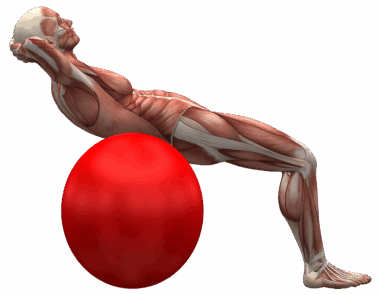
Incorporating exercise balls into rehabilitation programs can lead to improved outcomes. Using these balls, patients engage in exercises that focus on core stability, balance, and strength—essential aspects of recovery. Many healthcare providers advocate for their use during physical therapy. One popular exercise is the Wall Squat, where patients press their backs against the ball while performing squats. This technique enhances lower body strength while promoting stability. Another beneficial exercise is the Chair Pose, where patients balance on the ball, promoting core engagement and improving posture. Variations of traditional exercises can also be performed on the ball, such as push-ups and planks. These exercises challenge stability and enhance muscle activation, essential for a well-rounded rehabilitation program. Incorporating an exercise ball can make therapy sessions more engaging, keeping patients motivated. Feedback from users emphasizes that having this tool at home facilitates consistent practice, reinforcing the exercises taught during therapy. Transitioning from clinical settings to home workouts helps patients maintain progress and build upon their strengths. This approach not only aids immediate recovery but also fosters long-term health benefits.
Conclusion: Choosing Your Exercise Ball
Choosing the right exercise ball can significantly influence the rehabilitation experience for patients. As discussed, factors such as size, material, and safety features must be carefully evaluated when making a choice. Additionally, consulting with a healthcare provider can provide valuable insights tailored to individual needs. It’s vital to look for models with a good reputation in the rehabilitation community, as not all products offer similar reliability and effectiveness. Checking user reviews can provide further assurance regarding the performance of specific balls. Investing in a reputable exercise ball not only supports physical therapy but can also enrich the overall wellness journey. Regular use can lead to long-lasting strength gains and improved lifestyle habits. Furthermore, the accessibility of exercise balls makes them an excellent addition to any home fitness area. Whether you opt for the TheraBand, Black Mountain, or another model, the goal remains the same—enhancing recovery through dedicated effort. Embrace the overall therapeutic benefits these balls offer and enjoy the journey towards improved health through effective rehabilitation practice.
In conclusion, understanding the value of exercise balls in physical therapy provides patients with options tailored to their needs. By selecting a high-quality ball, individuals can make recovery more enjoyable and effective. The right exercise ball can bring a sense of empowerment during physical rehabilitation. Stay committed to your path and explore the multitude of benefits exercise balls provide as you work towards achieving optimal health outcomes. Through consistency and using these engaging tools, patients can regain strength and confidence, ultimately enhancing their quality of life. Remember, each journey is different, so take the time to find the exercise ball that aligns with your goals and preferences. Incorporate these techniques into your rehabilitation or wellness routine, and don’t hesitate to consult with professionals for expert advice on the best practices. Your commitment to recovery will shape your progress over time. Therefore, let the experience of using exercise balls be one of joy and success in your physical therapy journey. Take charge of your rehabilitation, and embrace a healthier lifestyle with the best exercise balls tailored to your individual recovery needs.