
Adaptive Fitness Events: Bridging the Gap Between Ability and Competition
Adaptive fitness events have emerged as crucial platforms for individuals with disabilities to engage in sports and competitive activities. These events offer unique environments where various abilities can play, showcasing resilience and perseverance. They include adaptive races, wheelchair basketball tournaments, and other inclusive sports, allowing participants to challenge themselves in ways that honor their capabilities. The design of these events focuses on providing an equitable experience for everyone involved, making sure that competition is not just about winning but also about personal growth. Those with disabilities can demonstrate their athletic skills while spectators gain insight into their lives. Creating awareness surrounding these competitions is essential to promote inclusivity and understanding within society. Exploring different adaptive fitness events can enhance motivation, providing individuals with disabilities a sense of belonging. Further, establishing resources like accessible facilities and coaching programs can bridge the existing gaps. Advocacy and education about adaptive sports must also be highlighted to encourage participation from a wider audience and improve support for these valuable initiatives. In doing so, the path toward greater acceptance and understanding will inevitably widen, ensuring everyone has access to recreational opportunities.
Types of Adaptive Fitness Competitions
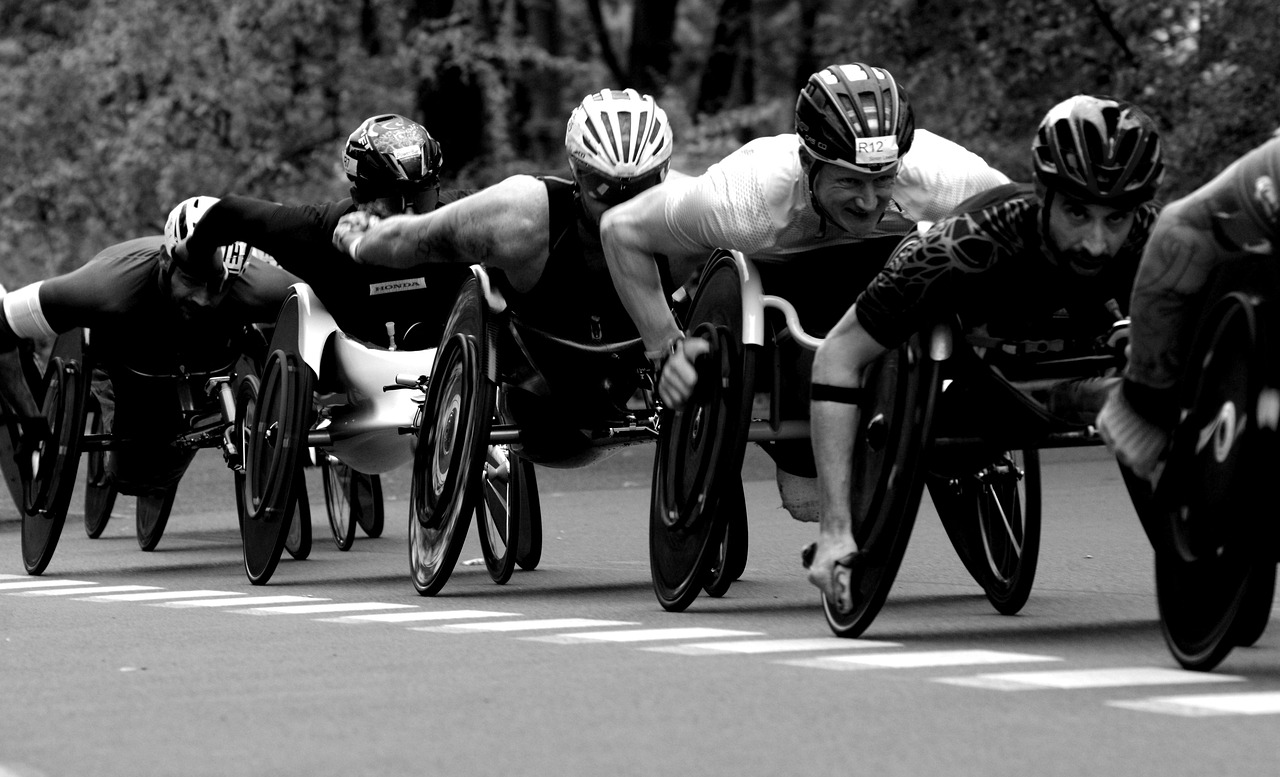
Adaptive fitness competitions encompass a variety of formats designed to meet diverse needs and abilities. These events range from solo exhibitions to team-based challenges, facilitating various adaptive equipment. Popular examples include adaptive marathons, cycling events, and obstacle courses, specifically designed for wheelchair users. These competitions are tailored to ensure all competitors can participate fully, challenging them in a supportive environment. Events like adaptive powerlifting and adaptive CrossFit have gained significant attention, fostering communities that celebrate diversity in ability. Each event typically provides divisions or classes based on the type of disability or skill level, ensuring fair competition. Spectators benefit from the thrill of watching talented athletes demonstrate their strength and determination, while participants enjoy personal achievements and camaraderie. Coaches, family, and volunteers play a vital role in organizing these experiences, enhancing the competitive spirit. Furthermore, adaptive fitness competitions nurture the importance of mental health by promoting self-esteem through achievement and personal milestones. It’s not merely about competition; it is a celebration of hard work and determination. The growth of adaptive fitness events plays an essential role in celebrating human achievements and encouraging inclusivity in the world of sports.
Competitions in adaptive fitness are supported by various organizations, providing resources, funding, and networks. These supportive entities work diligently to ensure that athletes have access to adaptive equipment, training facilities, and education. Well-known organizations include the Challenged Athletes Foundation and Adaptive Sports USA, which strive to increase the participation of individuals with disabilities in sports. They offer programs aimed at developing skills, enhancing athletic potential, and providing pathways to local and national events. Radio and online platforms have also emerged to share stories of adaptive athletes, turning them into inspiring figures for others. These platforms provide valuable exposure, motivating individuals to engage in competitions. The emphasis on promoting adaptive fitness events is growing in conjunction with increased visibility of participants, demonstrating the importance of diversifying sports. It’s crucial to remember that adaptive fitness events not only help enhance sporting skills but foster community engagement and powerful friendships, ultimately bridging gaps between different abilities. Emphasizing these narratives can challenge stereotypes regarding disabilities and changing perceptions within society. Now, adaptive sports are not only about competition but also about showcasing human spirit, resilience, and the relentless pursuit of happiness through sport.
The Role of Technology in Adaptive Fitness
Technology plays a transformative role in adaptive fitness events through innovative equipment and training methodologies. The advancements in technology have made it possible to create customized prosthetics, wheelchairs, and equipment that cater to specific sporting needs. For instance, custom wheelchairs for basketball or racing enable athletes to perform at their best. Wearable technology has also begun making its mark, providing athletes with data-driven insights to refine their training. This encourages athletes to push their limits through personalized performance monitoring and adjustments based on real-time statistics. Furthermore, virtual training platforms enable athletes to connect with coaches worldwide, expanding their training options and access to expertise. Live streaming of adaptive fitness competitions amplifies visibility on social media, allowing a more extensive audience to bear witness to these inspiring events. Such exposure encourages more participants to engage with adaptive fitness, bolstering its growth. Communities have begun embracing virtual challenges and competitions, fostering camaraderie and motivation outside traditional events. As technology continues to evolve, so does the potential for innovative solutions that enhance adaptive fitness experiences, further bridging the gap between ability and access in competitive environments.
Health and wellness are critical in adaptive fitness, which extends beyond physical prowess. Competitive events aim to promote overall well-being and highlight the diverse fitness journeys that individuals undertake. Mental health plays a significant role in adaptive fitness, as participation often leads to improved self-esteem and confidence. Through engaging in competitions, athletes can connect with likeminded individuals who share similar experiences and challenges. The supportive camaraderie forged in these environments reinforces the importance of mental resilience among participants. It is vital that adaptive fitness competitions prioritize these communal aspects, as they are essential to an athlete’s growth and overall satisfaction. Inclusive practices are propagated by showcasing a range of abilities within competitions, inspiring others to realize their potential. Social support networks are formed during these events, assisting participants in navigating personal challenges. Together, we can create a nurturing environment where adaptive athletes thrive and feel empowered. The emotional and psychological benefits of participating in adaptive competitions are just as significant as physical achievements. By emphasizing holistic wellness alongside competitive success, adaptive fitness events become vital arenas in fostering complete personal growth.
Future Prospects for Adaptive Fitness Competitions
The future of adaptive fitness competitions appears promising, with increasing advocacy for inclusivity and representation in sports. Recognizing the importance of equal opportunities motivates organizations to initiate grassroots movements, linking adaptive athletes with mainstream sports and competitions. Such collaborations can lead to greater resources, involvement, and funding for adaptive events, enriching the competitive atmosphere. By fostering partnerships with influential bodies, exciting opportunities for competition can emerge, paving the way for enhanced recognition of adaptive athletes. Furthermore, increased outreach and educational resources will help develop more adaptive fitness programs within schools and communities, ensuring that young athletes can access the necessary tools to thrive. The rise of inclusive sporting events within popular culture enhances visibility and broadens public understanding of adaptive fitness. Empowering adaptive athletes to be role models in their communities turns them into ambassadors of inclusion, inspiring further participation. As more adaptive fitness champions emerge, support systems will evolve, reinforcing the need for community-driven initiatives. Creating a strong foundation will ensure that adaptive sports continue to grow, thus bridging gaps between ability and competition for future generations.
Adaptive fitness events not only celebrate athletic achievement, but they also propel societal change and foster inclusivity. The powerful narratives created by participants challenge perceptions and stereotypes surrounding disabilities, encouraging acceptance and understanding in communities. Every competition not only promotes health and wellness but also showcases the spectrum of what is achievable, inspiring a shift in social attitudes. As awareness of adaptive sports continues to expand, the collective voice of adaptive athletes can influence policies and generate support for accessibility initiatives. A future where adaptive fitness events are widely recognized can embolden individuals to embrace their journeys and push boundaries. Encouraging involvement in adaptive sports cultivates a culture of respect and inclusivity across all levels of society. It is important to remember that events aren’t just about winning trophies; they are about redefining what is possible. Bridging the gap between ability and competition requires continuous efforts by communities, organizations, and athletes. By championing adaptive fitness events, society can evolve toward a future where everyone has an opportunity to participate and thrive. Together, we can create sporting landscapes that exemplify strength and resilience, paving the way for a more inclusive world.