
Cardio Techniques for Rowing Competitions
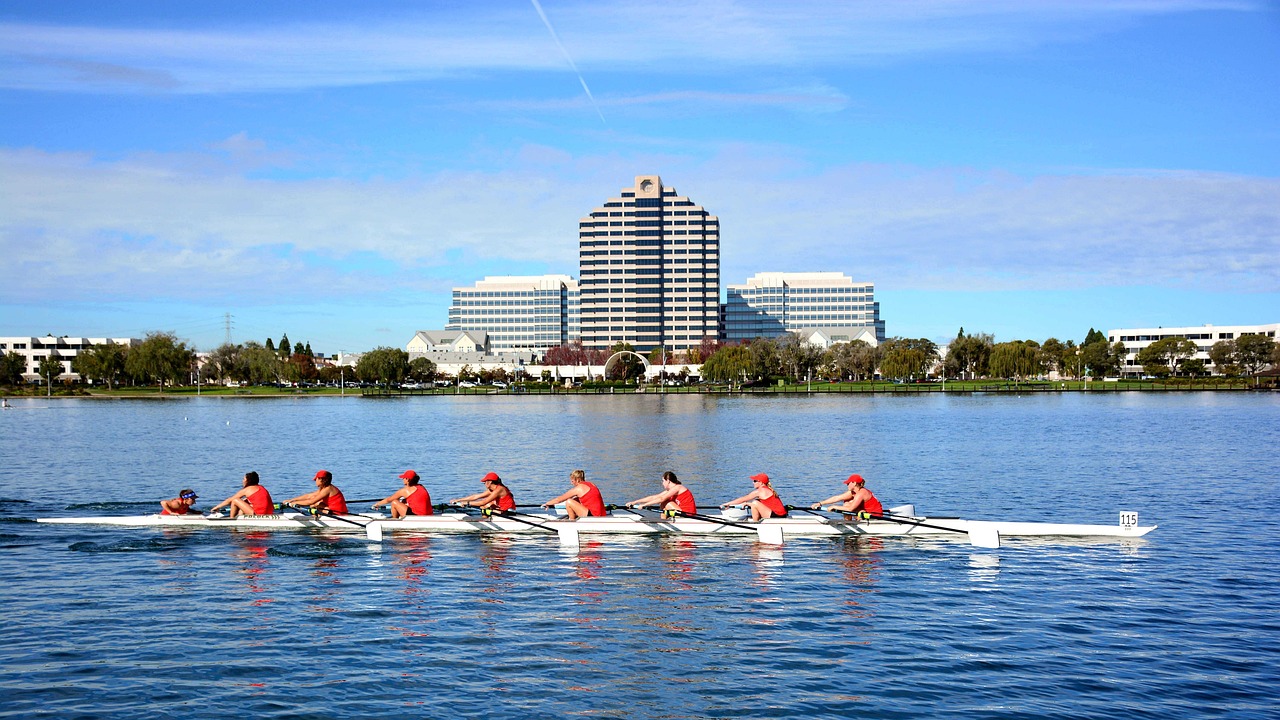
Rowing competitions demand intense cardiovascular endurance as athletes strive to maximize their performance with each stroke. Effective cardio training enables rowers to enhance their stamina, ensuring they maintain speed and control throughout the race. One effective technique is interval training, where athletes alternate between high-intensity sprints and recovery periods. This method optimizes cardiovascular efficiency and mimics the competitive rowing rhythm. Another essential technique is steady-state cardiovascular training, where rowers maintain a moderate heart rate for extended periods. This builds the aerobic base crucial for longer races. Each type of cardiovascular exercise contributes uniquely to a rower’s overall fitness, targeting different muscle groups and energy systems. Combining both interval and steady-state training enhances overall cardiovascular capacity and performance. Rowers should also incorporate cross-training, such as cycling or swimming, to avoid overuse injuries while diversifying their cardio routine. These activities improve aerobic endurance without the repetitive strain of rowing. Finally, always listen to your body, allowing adequate recovery time between intense workouts to maximize gains and prevent burnout.
Building Aerobic Capacity
Aerobic capacity is paramount for rowers as it directly influences their endurance levels during races. Maximizing aerobic capacity requires strategic training, specifically targeting the heart and lungs. To build this capacity, rowers can employ long, slow distance (LSD) workouts, where sustained efforts are made over extended periods. This approach encourages the body to adapt by improving oxygen delivery and utilization in muscle tissues. Incorporating tempo sessions into the training routine further enhances aerobic capacity. These workouts involve rowing at a challenging but sustainable pace, pushing the boundaries of endurance while still allowing for recovery. Monitoring heart rates is crucial during these workouts; athletes should aim to maintain their heart rates within targeted zones. Supplementing aerobic training with plyometric exercises also improves overall athletic performance by increasing strength and power. Coordination and technique drills enhance efficiency, allowing competitors to maximize their exertion. Additionally, incorporating strength training twice a week can improve muscular endurance while translating directly into rowing performance. Rowers should commit to a well-rounded training regimen and continuously challenge themselves to increase their endurance as competitions draw near.
Nutrition plays a critical role in supporting cardiovascular training and overall performance for rowers. Proper fueling before, during, and after workouts ensures that athletes maintain energy levels and recover efficiently. A well-balanced diet rich in carbohydrates, proteins, and healthy fats is essential for a rower’s performance. Carbohydrates serve as the primary energy source, so athletes must consume adequate amounts of whole grains, fruits, and vegetables before intense training sessions. During long training periods, consuming easily digestible snacks such as energy gels, bars, or bananas can provide quick energy support. Post-workout nutrition, especially protein intake, aids in muscle recovery and repairs any damage caused during training. Hydration also cannot be overlooked; staying hydrated helps maintain optimal cardiovascular function. Rowers should consistently hydrate throughout the day, particularly when training intensifies. Sports drinks can replace lost electrolytes during prolonged sessions. Additionally, regular meals and snacks throughout the day help maintain consistent energy levels, facilitating long-term improvements in performance. Adopting proper nutritional habits can distinguish competitive rowers and enhance their ability to perform at peak levels.
Implementing Cross-Training
Cross-training can significantly improve rowing performance while enhancing cardiovascular fitness in diversified ways. By participating in different forms of cardio, such as cycling, swimming, or running, rowers can reduce the physical strain of consistent rowing workouts. Each activity recruits various muscle groups and promotes overall fitness without risking overuse injuries. For example, cycling offers a low-impact option, making it perfect for recovery days while still building leg strength and cardiovascular capacity. Swimming enhances endurance while providing a full-body workout and improving flexibility. Rowers should aim to incorporate one or two session of cross-training into their weekly program, allowing their bodies to adapt and recover. Furthermore, the diversity in training keeps workouts fresh and engaging, ultimately fostering greater motivation. Athletes may also consider participating in rowing-specific dry-land strength and conditioning exercises to build a solid foundation. These activities should focus on both the upper and lower body, enhancing power and control while rowing. Consistency is key; maintaining a balanced program combining rowing and diverse cardio activities yields the best results during competitions.
Rest and recovery are integral parts of any cardio training plan, especially for rowers engaged in intense physical activity. Adequate recovery times prevent injuries and allow the body to repair and strengthen in response to the training stress. Rowers should ensure they incorporate rest days throughout their training cycle. Active recovery strategies, such as light rowing or yoga, can help keep muscles engaged while providing necessary relaxation. Ensuring quality sleep is also essential; uninterrupted sleep allows for optimal recovery and performance. Techniques such as foam rolling and dynamic stretching can improve muscle elasticity and reduce soreness post-training. Listening to the body’s signals is critical; if fatigue or discomfort arises, it’s essential to adjust the training intensity accordingly. Overtraining may lead to diminished performance and increased injury risk. Therefore, tracking workouts and progress can help manage training loads effectively. Scheduled deload weeks also allow physical and mental recovery, promoting sustainable long-term performance. Balancing work with proper rest strategies will enhance cardiovascular improvements and foster readiness on race day.
Incorporating Mindfulness
Mindfulness is becoming a vital component of cardiovascular training for rowers, enhancing focus and mental stamina. Mental resilience is just as crucial as physicality in competitions; athletes must stay composed amidst the pressures of racing. Techniques such as controlled breathing exercises and meditation can improve focus, reduce anxiety, and increase tolerance for discomfort during races. One effective practice is visualization, where rowers mentally rehearse their strokes and race scenarios. This technique conditions the mind for real-race situations. Equally important, developing a consistent pre-race routine can help athletes find their rhythm and enhance mental clarity. Incorporating mindfulness training into a daily routine, such as through yoga or tai chi, bolsters both physical and mental fitness. Athletes can refine their ability to maintain focus throughout prolonged training sessions, improving overall performance. Establishing a positive mindset is crucial for competitiveness and personal growth. Additionally, reflecting post-training or racing experiences allows rowers to learn and adapt strategies for future improvements. Cultivating mindfulness within training regimes effectively supports both physical and mental attributes, essential for top-tier rowing performance.
In conclusion, mastering cardiovascular training techniques is essential for success in rowing competitions. Athletes must find a balanced approach that incorporates various training methods, nutrition, recovery, cross-training, and mental wellness for peak performance. Implementing a combination of interval, steady-state, and aerobic training allows rowers to maximize their endurance effectively while preventing injuries. Additionally, focusing on nutrition and hydration ensures rowers have the energy necessary to maintain rigorous training sessions. Incorporating cross-training diversifies workouts while strengthening the body holistically. Prioritizing rest and employing mindfulness techniques fosters mental clarity, allowing rowers to tackle competitions head-on. Committing to continual evaluations and adaptations in training programs is vital, ensuring rowers become versatile and well-rounded competitors. Whether preparing for short sprints or longer distances, athletes who embrace these strategies will develop stronger cardiovascular systems, powering their performance and potentially leading them to victory. Overall, competitive rowing necessitates dedication and the right mix of strategies for success, laying the foundation for accomplishing athletic goals. Rowers willing to put these techniques into practice will undoubtedly witness improvements on and off the water, approaching each competition with confidence.