
Dance Fitness for Kids: Encouraging Healthy Habits Early
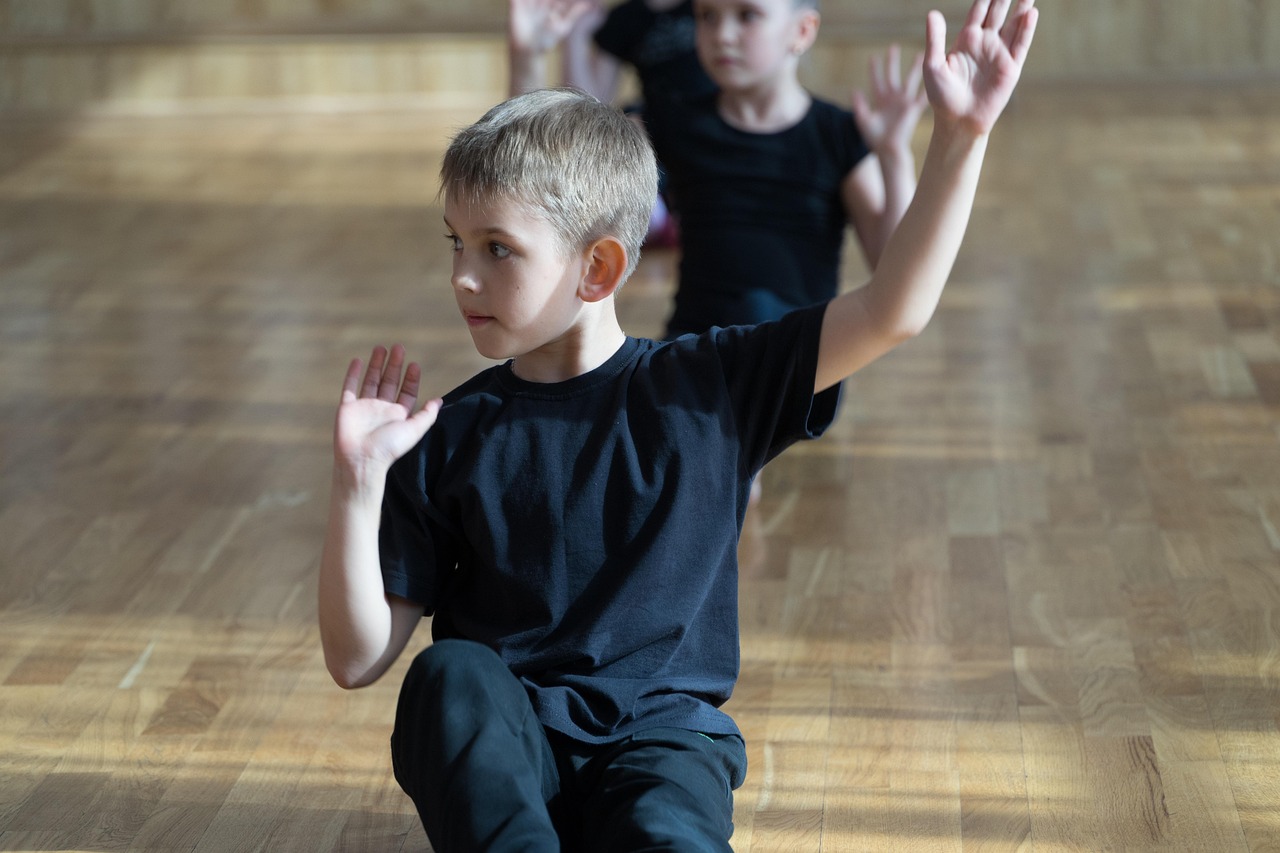
Dance fitness provides children the opportunity to express themselves creatively while also promoting physical health. By integrating movement with enjoyable rhythms, kids can discover a passion for staying active. Dance classes often encourage teamwork and socialization, allowing children to connect with their peers. When engaging in dance, kids develop coordination, flexibility, and endurance. Furthermore, learning dance routines can improve memory and cognitive skills, as they must remember steps and patterns. These classes typically offer a range of styles, including hip-hop, jazz, and ballet, appealing to various interests. Parents can accompany their children to classes to create a supportive environment, enhancing the overall experience. Choosing an appropriate dance program is essential; it should focus on skill development while ensuring fun. Ensuring proper attire and dance shoes can minimize injuries and increase comfort during practice. Ultimately, starting dance fitness at an early age can instill a lifelong love for movement and wellness, setting the foundation for healthy habits. A strong foundation in dance can encourage participation in other physical activities, fostering a healthy lifestyle throughout childhood and beyond.
Incorporating dance fitness into a child’s routine can significantly benefit their overall health. Engaging in dance activities boosts cardiovascular health, improves muscle strength, and aids in weight management. According to several studies, regular physical activity helps combat childhood obesity and related health issues. By making dance enjoyable, kids are less likely to view it as a chore, leading to consistent participation. Additionally, dance fitness can enhance mental health, reducing feelings of anxiety and depression that are prevalent among children today. A positive and encouraging environment promotes confidence and self-esteem, allowing kids to shine as they master new moves. Parents can also take part in family dance sessions, strengthening bonds and creating memorable experiences. Many community centers and local studios offer family-oriented dance classes, fostering an inclusive approach. Social skills are also enhanced through dance, as children learn to collaborate and respect one another. Keeping kids active through dance ensures they develop a love for fitness, which can translate into lifelong healthier choices. Investing in dance fitness means investing in their future well-being, creating a brighter path toward active adulthood.
Creating a Supportive Dance Environment
Creating a positive dance environment is crucial for children’s success and enjoyment. Dance teachers play a significant role in fostering motivation and creativity. They should promote a culture of encouragement, celebrating individual progress and achievements. Positive reinforcement can help build children’s self-esteem and encourage them to push their limits. It is important for teachers to adapt their methods to suit various learning styles, making dance accessible to all abilities. Parents also play a vital role by showing interest in their child’s progress and attending performances. This involvement not only boosts kids’ confidence but also strengthens the parent-child bond. Moreover, establishing a routine for dance practice helps foster discipline and commitment. Enrolling children in dance competitions can further motivate them, providing a goal to work toward. These events allow them to showcase their talent and connect with others who share their passion. Additionally, dance studios should maintain a friendly atmosphere where all kids feel welcomed and valued. Creating these dynamics encourages lifelong friendships and nurtures growth both as dancers and as individuals.
It’s essential for parents to encourage children in dance fitness to explore various styles. Different dance forms offer unique benefits; for example, ballet improves posture and grace while hip-hop boosts cardiovascular fitness. Exposure to various dance styles can help children discover their passion and develop diverse skills. On top of physical benefits, exploring different genres opens kids’ minds to various cultures and music. A well-rounded approach to dance can enhance creativity and expression, empowering children to convey their thoughts and feelings through movement. Encouraging kids to participate in seasonal dance camps can broaden their horizons and provide them with intensive training opportunities. Dance camps often feature guest instructors, exposing children to various teaching methods and performance styles. Additionally, many camps focus on both technique and creativity, allowing kids to experiment with choreography. To maximize the benefits of dance fitness, parents should help children maintain a balance between school, dance, and other activities. Promoting open communication helps kids express their feelings and frustrations. Regular check-ins can keep them motivated and attentive to both their passions and responsibilities, ensuring they thrive in all aspects of life.
The Role of Dance in Building Community
Dance fitness also plays a pivotal role in building community among children and families. It creates a sense of belonging and unity, essential for children’s social development. Participating in dance classes or performances helps kids form lasting friendships while sharing common interests and experiences. Local dance studios can host community events that involve families and friends, further strengthening bonds between participants. These events often include showcases and talent competitions, allowing kids to display their skills proudly. Engaging in dance with peers teaches important life skills, like teamwork, cooperation, and respecting others. As they learn and grow together, children cultivate a supportive network that can positively influence their lives. For parents, the shared experience of attending classes or events cultivates friendships, too, providing additional support systems. Networking with other families can lead to playdates, fostering relationships outside the studio. Connecting through dance builds a culture of support that encourages children to pursue their passions while maintaining healthy lifestyles. Investing in dance fitness for kids thus encourages community bonds that go beyond the dance floor.
As with any children’s activity, proper nutrition is vital to complement their dance fitness journey. Providing a balanced diet rich in fruits, vegetables, proteins, and whole grains fuels their energy needs and supports growth. Parents should educate their children about nutrition, helping them make informed choices that benefit their physical activity. Before dance classes, light snacks such as whole-grain crackers or yogurt can supply necessary sustenance without causing discomfort. Hydration is equally important, particularly during dance practices and events. Teaching kids the importance of drinking water regularly helps build good habits, keeping them energetic and focused. Additionally, family meal planning can introduce children to various cuisines, showing them the importance of healthy eating. Cooking together can be a bonding experience while educating kids about ingredients and portions. Emphasizing the significance of nutrition alongside dance fitness helps ensure children maintain their energy levels while enhancing performance. Parents should recognize that balanced meals significantly impact their child’s dance experience, contributing to improved focus, stamina, and overall health. Establishing these dietary habits early on can empower kids to lead healthier lifestyles as they grow.
Conclusion: Lifelong Benefits of Dance Fitness
In conclusion, introducing dance fitness to kids plays a vital role in their physical and mental wellness, encouraging great habits from a young age. With numerous benefits, such as improved coordination and social skills, children gain a well-rounded experience that extends beyond the dance floor. Additionally, it fosters a love for movement, vital for lifelong wellness. Parents and instructors contribute significantly to creating enriching environments that empower children to thrive. The importance of supportive communities around dance cannot be understated; they nurture friendships, increase self-esteem, and inspire creativity. Whether through different styles, nutrition education, or family involvement, dance fitness provides essential life lessons for children. By integrating the aspects of joy, teamwork, and commitment into their routines, parents lay the groundwork for healthier, happier futures for their kids. As children embody these principles, they will be much more likely to continue pushing their boundaries and positively embracing physical activity throughout adulthood. Dance fitness truly transforms not only children’s lives but encompasses families and communities alike, reinforcing wellness and connection.