
Incorporating Bodyweight Exercises Into Your Posture Correction Plan
Improving your posture is vital for both physical performance and overall well-being. Bodyweight exercises can significantly enhance posture. These exercises utilize your body weight as resistance, which develops strength, flexibility, and balance. This improvement can lead to better alignment of the spine, shoulders, and hips, crucial for preventing discomfort or pain. Integrating these exercises into your daily routine is beneficial. Focus on movements that target key muscle groups responsible for maintaining good posture. For example, planks and push-ups boost core strength and shoulder stability. Moreover, incorporating stretches like the cat-cow or downward dog can enhance flexibility along your spine. As you progress, consider adding variations to increase difficulty. Explore positions that force engagement of the lower body while maintaining form. With consistent practice, you will notice significant changes in your posture over time. Lastly, always ensure that your movements are performed correctly to avoid injury. Consult with professionals if needed to maximize your results. Your journey to improved posture through bodyweight exercises can lead to noticeable benefits in daily life, fostering confidence and comfort in every activity.
Finding the right balance of bodyweight exercises is important. Start with foundational movements. These often include squats, lunges, and glute bridges, which activate various muscle groups. One main focus should be the core muscles, as they play a crucial role in supporting your spine. Core stability helps maintain proper posture while performing daily tasks. Additionally, try incorporating exercises that target the upper back and shoulders. Movements like inverted rows or yoga poses can build strength and flexibility in these areas. This development allows your body to hold an upright position with ease. As your fitness level improves, gradually increase the intensity of your workouts. More advanced variations will keep your body challenged. Allow ample recovery time to prevent burnout or injury. Remember that quality is more important than quantity. Focus on proper form. You may need to break down movements to ensure accuracy. Consider tracking your progress visually or through metrics. Progress assessments help keep you motivated. This encouragement is essential, especially when the journey may seem long. Establishing a consistent routine will help you make long-lasting changes in your posture.
Benefits of Bodyweight Training for Posture
There are numerous benefits to using bodyweight training to improve posture. Firstly, this type of exercise is accessible and requires little to no equipment. You can perform these exercises almost anywhere, whether at home or in a park. This allows for greater flexibility in scheduling workouts. Furthermore, bodyweight exercises enhance muscular endurance, which is vital in sustaining upright posture throughout the day. Increased muscle endurance means less fatigue and increased comfort. Additionally, bodyweight exercises promote balance and coordination. These are important skills that contribute to overall physical stability. Improved balance leads to better posture as your body learns to distribute weight evenly. Another advantage is the reduction of tension in tight muscular areas. Exercises like the child’s pose can relieve stress in overstressed areas, contributing to better alignment. Integrated movements can work both strengthening and stretching simultaneously, offering a comprehensive approach to fitness. Finally, bodyweight training can be easily modified for different fitness levels. You can adjust the intensity and complexity of exercises, making them suitable for beginners and advanced practitioners alike. Ensure you challenge yourself while listening to your body to prevent injuries.
Maintaining good habits during bodyweight training is key. Start each session with a brief warm-up, loosening muscles and joints. Warm-ups prepare your body for more rigorous activity. They also minimize the risk of strains or injuries. Focus on dynamic stretches that engage multiple muscle groups, similar to movements found in upcoming exercises. For example, arm circles or leg swings are excellent choices. Integrate mobility drills to improve range of motion effectively. As you transition into your workout, emphasize proper alignment and technique. Set realistic goals regarding the number of repetitions or progression. Monitor your breath, ensuring you exhale during exertion and inhale during recovery. This practice ensures proper oxygen flow to working muscles. After completing your bodyweight exercises, don’t skip cooldown and stretching. This extends flexibility and reduces potential soreness, allowing the muscles to recover effectively. Consistency is essential in seeing results; aim for a well-developed routine that allows sufficient recovery time. Additionally, celebrate your progress, no matter how small. Every step you take contributes to correcting posture. Forming a positive mindset will keep you engaged in your journey to improved posture. Focus on how it positively impacts your daily life.
Common Bodyweight Exercises for Posture Improvement
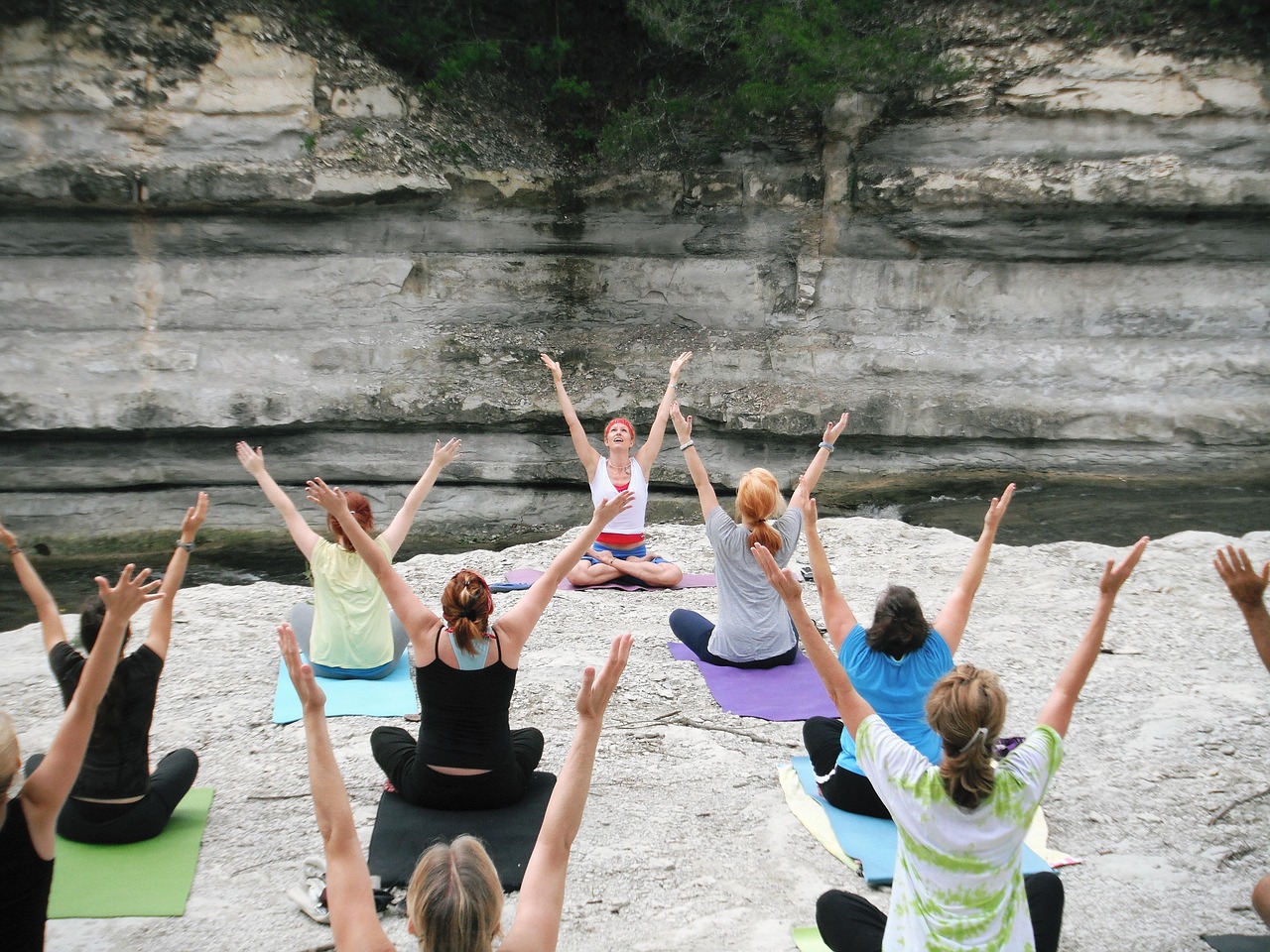
Some effective bodyweight exercises for posture improvement include planks, push-ups, and yoga poses. Planks are particularly beneficial in strengthening your core, as they require active engagement of abdominal muscles. Incorporate side planks for enhanced focus on your obliques and to promote lateral stability. Push-ups not only work the upper body but also reinforce core strength and shoulder stability. Modify them to suit your fitness level by performing either on knees or with feet elevated. Yoga poses like extended mountain pose and bridge pose can provide valuable stretching and strengthening benefits. These will aid in countering the effects of prolonged sitting. Additionally, consider incorporating movements that target the lower body, such as squats and single-leg deadlifts. These exercises will strengthen your glutes and hamstrings, crucial for maintaining proper pelvic alignment. Another great practice is the wall angel, which opens up the chest while improving shoulder mobility. As you incorporate these exercises, maintain a conscious effort to engage the desired muscle groups. Proper execution will enhance your results while reducing the risk of injury. Furthermore, be patient as developing strength and flexibility takes time, but perseverance yields lasting results.
Listening to your body is essential when incorporating bodyweight exercises into your routine. Pay attention to how you feel before, during, and after each session. It’s crucial to recognize signs of discomfort or pain. Adjust your exercises accordingly to accommodate your body’s responses. This practice can not only help prevent injury but also ensure a more enjoyable experience. In addition, stay hydrated throughout your workouts. Fluid balance supports physical performance and recovery. Allow yourself to take breaks if needed during your workout to prevent fatigue. Also, consider alternating difficult exercises with easier ones to maintain energy levels while training. This practice promotes endurance and preserves form throughout your routine. Additionally, check your progress regularly to see the improvements you are making. Keeping a journal can serve as a useful tool to track your performance. It helps in recognizing milestones and motivates you to push further. Setting short-term and long-term goals can provide structure and focus in your workout plan. Remember that achieving better posture through bodyweight training is a journey rather than a sprint. By remaining patient and consistent, you will ultimately achieve the results you desire.
Creating Your Personalized Posture Correction Plan
To create a personalized posture correction plan using bodyweight exercises, first assess your current posture. Identify areas of weakness or tension that contribute to poor alignment. Once you have this understanding, design a workout schedule that includes a variety of exercises targeting these specific areas. Prioritize consistency, aiming to perform bodyweight exercises at least three times a week. This frequency will help establish a solid foundation and allow for gradual improvements. Incorporate sessions focused on flexibility, enhancing your range of motion while promoting relaxation techniques. Yoga or stretching sessions can complement your bodyweight workouts effectively. Additionally, remember to mix in strength training, focusing on muscles supporting good posture. Complement your exercises with mindful daily practices, such as proper sitting posture during work or using ergonomic equipment. Set reminders to ensure you periodically check your position throughout the day. Enlist the support of a fitness professional, physical therapist, or a partner to provide guidance. Their expertise can ensure your movements are executed correctly. Most importantly, stay committed to the process. Building better posture is a continual journey that thrives on determination and commitment.
Your posture significantly affects how you feel and function throughout your daily activities. Addressing postural issues is crucial for overall health and wellness. By incorporating bodyweight exercises into your daily routine, you can improve posture over time. This method not only enhances physical appearance but also boosts confidence. Proper posture allows you to engage effectively in various activities, preventing discomfort and pain. With a tailored program centered around bodyweight exercises, you can target specific muscle groups responsible for good alignment. Pay attention to gradually incorporating progressive exercises for sustainable results. This method encourages your body to adapt over time to correct its position. Making slight adjustments to your routines keeps your workouts engaging and fun. Embrace diversity in your sessions, targeting all muscle groups while focusing on posture-improving movements. Incorporating mindfulness into your training allows you to connect with your body. In the end, beautiful posture is achievable and significantly contributes to a healthier lifestyle. Remain patient and stay motivated as your dedication will pay off. Remember, small changes accumulate over time, leading to remarkable improvements in your overall posture and, subsequently, your quality of life.