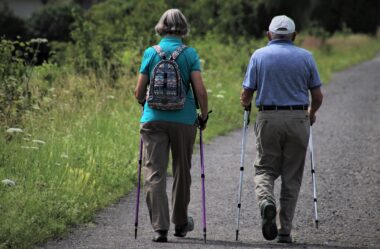

Using Walking to Improve Balance and Coordination in Seniors
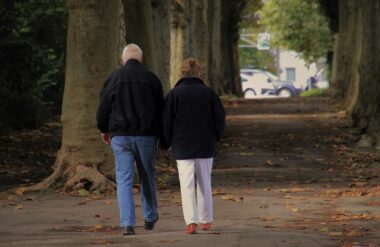
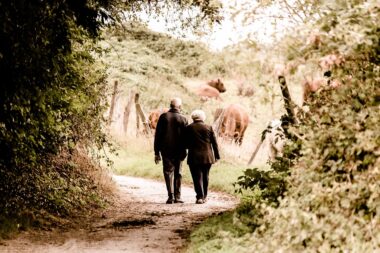
Walking is one of the simplest and most effective forms of exercise for seniors. Regular walking helps to improve overall health, promoting physical fitness, strength, and endurance. When seniors engage in daily walking programs, they enhance their balance and coordination significantly. It’s essential that walking programs for seniors focus on steady pacing and maintaining a good posture while walking. Incorporating different terrains, such as flat surfaces, hills, or even walking in a park, can provide varied challenges that further strengthen balance. Moreover, using walking aids like canes or walkers may be encouraged for those who require additional support, ensuring safety during the exercise. Proper footwear is another important consideration; seniors should wear shoes that fit well and provide adequate support to prevent slips or falls. Consistency is key to achieving results, so seniors should aim for at least 30 minutes of walking five times a week. Not only does regular walking help with physical conditioning, but it also boosts mood, enhances cognitive function, and encourages social interaction, benefiting mental health as well.
The Benefits of Walking for Balance
Walking enhances the sensory systems that contribute to balance. When seniors walk regularly, their body learns to adapt and respond to shifts in weight and unstable surfaces. This kinesthetic awareness is crucial for maintaining balance and preventing falls, which can be especially dangerous for older adults. Furthermore, walking improves muscle strength in the legs and core, both of which are vital support systems needed for balance. As seniors develop better balance awareness, they may also become more confident in their daily movements. This increased confidence can reduce fear of falling, allowing seniors to engage more freely in various activities. Additionally, walking activates the proprioceptors, small sensors located in muscles and joints, which send information about body position to the brain. Strengthening these systems leads to better coordination, making everyday activities such as walking up stairs or navigating uneven surfaces more manageable. Furthermore, seniors can integrate strength training exercises, such as leg lifts or heel-to-toe walk sequences, into their walking routines to enhance their overall stability and coordination capabilities.
Tips for a Successful Senior Walking Program
To initiate an effective walking program for seniors, it’s crucial to establish feasible goals tailored to their fitness level. Start gradually, with short durations and low-intensity walks, gradually increasing the frequency and length as needed. Partners can provide encouragement and companionship, enhancing motivation and making walks more enjoyable. Consider walking in groups to create a supportive environment, fostering social interaction while promoting regular participation. Safety must also be prioritized; seniors should choose well-lit and even walking surfaces, steering clear of busy roadways. Wearing a medical alert bracelet can also provide peace of mind. Encouraging hydration before, during, and after walking is essential for overall health, particularly in warm weather. Seniors should be reminded to listen to their bodies and rest when necessary. Regular check-ins with healthcare professionals to assess fitness levels and progress can provide invaluable guidance. Moreover, they can suggest additional exercises to complement walking, improving strength and flexibility while further enhancing balance and coordination. Each of these factors contributes to a successful, long-term walking program.
Incorporating stretching exercises before and after walking sessions is beneficial for seniors. Stretching helps increase flexibility and range of motion, particularly in the hips, legs, and back. Focused stretches may alleviate tension and reduce the risk of injury, fostering a more pleasurable experience during walks. Gentle stretches include calf raises, toe touches, and side bends, which can enhance overall mobility. Walking after stretching improves circulation and warms up muscles, making it easier to walk longer distances. Additionally, incorporating fun elements into walking can motivate seniors and make sessions more enjoyable. Seniors can try walking programs that include light exercises or rhythmic movements along with the walking routine. Moreover, they could use walking poles, which can enhance balance while allowing for a quicker pace. Engaging in themed walks—like nature walks focusing on local flora or historical walks learning about local landmarks—can introduce educational elements into the routine. Ultimately, enriching walking programs with variety can transform a mundane task into an invigorating regular activity, fostering overall engagement and commitment to physical fitness.
Monitoring Progress and Adjustments
Tracking progress in a walking program is vital for evaluating success and making necessary adjustments. Seniors can maintain a walking journal or use fitness apps to log their walks, noting duration, distance, and how they felt afterward. These records not only serve to motivate but can also reveal patterns in physical capabilities, helping to fine-tune walking intensity and frequency. Scheduling regular assessments with healthcare providers can help identify areas needing improvement and ensure safety. If mobility declines or new challenges arise, adjustments in the walking routine may be required. Seniors should remain proactive in monitoring any signs of fatigue or discomfort, which could indicate a need to modify their approach. Staying informed about various walking-related activities or community programs can also elevate the experience. Many areas offer walking clubs for seniors, creating a network of support and encouragement. Fitness professionals can provide classes focusing on balance, strength, and endurance, further enriching participating seniors’ overall health journeys. By staying engaged, motivated, and open to modifications, seniors can enhance their walking routines and continue improving balance and coordination.
Conclusion: The Road to Better Balance
The journey towards better balance and coordination is multifaceted, with walking as an accessible and effective method for seniors. Through consistent walking, engaging in safety-conscious practices, and seeking out social opportunities, older adults can significantly enhance their overall wellness. A successful walking program lays the foundation not only for improved physical health but also for mental health benefits, establishing a sense of community, and reducing the risk of isolation. Staying active serves as a powerful strategy against age-related issues, fostering emotional well-being while encouraging healthier lifestyles. Walking offers seniors a practical means of increasing their independence and confidence in daily activities. Looking towards the future, integrating technological advancements, such as wearable fitness trackers or smartphone apps, can provide valuable insights, encouraging seniors to set new goals. Additionally, family involvement can be a strong motivator, ensuring accountability while engaging seniors in social activities. Ultimately, it’s about crafting meaningful experiences to encourage lifelong walking habits. As the popular saying goes: “The journey of a thousand miles begins with a single step.” Taking that step today leads to a healthier tomorrow.
In summary, walking programs designed for seniors encompass a variety of strategies aimed at improving balance and coordination. By focusing on appropriate warm-ups, utilizing supportive equipment, and incorporating social elements, seniors can create enjoyable and effective walking routines. Setting realistic goals and tracking progress ensures continuous improvement and safety. Above all, engaging with healthcare professionals and utilizing community resources can significantly elevate an individual’s walking experience. Such commitment to physical activity manifests not only in increased balance and coordination but also in improved overall quality of life. By making walking a regular part of their routine, seniors can reap the benefits of enhanced mobility, greater independence, and lasting friendships. It’s remarkable how this simple exercise can open doors to new experiences, adventures, and healthy habits. Therefore, every step taken on this journey is a step towards better health. Seniors are encouraged to embrace walking as an enriching and fulfilling activity that positively impacts their lives in so many ways. Ultimately, the focus is not just on movement, but on celebrating their achievements and maintaining vitality into the golden years.