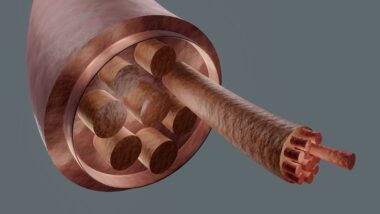

Neuromuscular Adaptations to Exercise
Understanding neuromuscular adaptations is crucial for enhancing athletic performance and achieving fitness goals. These adaptations occur in response to regular physical activity, particularly resistance training and aerobic exercises. The nervous system plays a significant role, communicating with muscles to facilitate movement. Key adaptations include improved force production, increased motor unit recruitment, and enhanced coordination among muscle fibers. Over time, as individuals engage in consistent exercise, the nervous system becomes more efficient at activating the appropriate motor units, leading to heightened strength. Moreover, muscle fibers may undergo hypertrophy, resulting in increased size and power. This transformation not only benefits athletes but also individuals seeking healthier lifestyles. Furthermore, exercise induces changes at the molecular level, affecting protein synthesis and degradation pathways, which contribute to overall muscular health. Both the central and peripheral nervous systems adapt, modifying neural pathways and enhancing muscle responsiveness. Understanding these processes intricately links to exercise programming, injury prevention, and rehabilitation strategies. Knowledge of neuromuscular adaptations empowers individuals to optimize workouts, improving recovery times and maximizing performance. Overall, awareness of these biological changes can lead to more effective training regimens and better outcomes regardless of fitness levels.
Adaptations not only enhance athletic performance but also play a significant role in health and well-being. As people exercise regularly, their neuromuscular systems become more adept at activating muscle fibers efficiently. This adaptation results in increased force production, which is vital for everyday activities and sports. Additionally, exercising improves the ability of the nervous system to coordinate movements and execute complex tasks. Especially important in aging populations, these changes can reduce the risk of injuries and enhance the quality of life. By engaging in various exercise modalities, individuals stimulate different muscle groups, leading to more comprehensive adaptations. Notably, strength training directly contributes to neuromuscular efficiency by requiring the body to exert significant force against resistance. Moreover, enhancing proprioception—awareness of body position—is integral to balancing and preventing falls, particularly in older adults. The intricate relationship between the nervous system and muscular response underscores the importance of tailored exercise programs. Individuals may experience enhanced coordination, agility, and overall strength as they physically challenge themselves. As a result, the body’s capacity to adapt becomes almost limitless, leading to continuous improvements in physical fitness and functional capabilities over time.
The Role of Strength Training
Strength training is a key component of developing neuromuscular adaptations that can dramatically improve physical performance. When individuals engage in strength training, they stimulate several physiological responses within the body. These include increased muscle fiber recruitment, neural adaptations, and subsequent muscle hypertrophy. The process begins with the brain signaling the muscles to contract, resulting in more effective coordination and strength. With consistent practice, the central nervous system becomes more efficient at activating motor units, ultimately leading to larger gains in strength. Additionally, strength training encourages the release of growth factors that promote muscle growth and repair. Exercises such as weight lifting or resistance band training target different muscle groups, resulting in distinct neuromuscular adaptations. Furthermore, strength training can enhance muscular endurance, allowing individuals to sustain longer periods of physical activity without fatigue. The combination of improving muscle size and neurological efficiency contributes significantly to overall athletic performance and daily functional tasks. By incorporating strength training sessions into their routines, individuals not only cultivate better neuromuscular function but also improve bone density, metabolic rate, and injury resilience. All in all, strength training is a profound method for eliciting positive neuromuscular adaptations.
Beyond strength training, endurance training also induces meaningful neuromuscular adaptations in the body. Aerobic activities, such as running, cycling, or swimming, focus on sustaining physical effort over extended periods. Endurance training promotes cardiovascular efficiency by enhancing oxygen delivery to working muscles, thus impacting muscle metabolism positively. Adaptations in the cardiovascular system, including increased stroke volume and cardiac output, ensure efficient nutrient transport, aiding recovery and performance. While endurance primarily targets cardiovascular improvements, it also enhances fast-twitch muscle fibers’ capacity for prolonged exertion. As individuals continue with endurance activities, their muscles develop greater oxidative capacity, resulting in improved energy production and reduced fatigue. Additionally, the nervous system adapts to facilitate better coordination during repetitive motions inherent to endurance sports. Neuromuscular adaptations in endurance training are crucial for athletes aiming to optimize performance over long distances. Furthermore, research supports the idea that engaging in a combination of endurance and strength training leads to superior overall adaptations compared to performing either style alone. By understanding these processes, individuals can tailor their training routines to combine both strength and endurance elements, enhancing the synergy of neuromuscular adaptations and fine-tuning athletic performance.
Neuromuscular Adaptations and Aging
Aging significantly affects neuromuscular adaptations, resulting in alterations that affect physical performance. As individuals age, they may experience a decline in the efficiency of the neuromuscular system, leading to reduced strength, coordination, and balance. Sarcopenia, or the age-related loss of muscle mass, particularly influences these changes and can increase the risk of falls and injuries. Maintaining an active lifestyle through regular exercise can help mitigate these effects and promote better neuromuscular adaptations. Resistance training emerges as a vital tool for older adults, encouraging muscle growth, maintaining strength, and improving functional capabilities. Additionally, neuromuscular training that focuses on coordination and balance can significantly enhance stability, reducing the incidence of falls. For older adults, engaging in diverse exercises, including flexibility and aerobic training, further contributes to overall well-being. Moreover, the interplay between physical activity and cognitive function is crucial, with studies indicating that exercise can promote neuroplasticity and cognitive health in aging populations. Ultimately, understanding how aging impacts neuromuscular adaptations informs the development of effective exercise programs tailored to maximize the benefits for older adults.
Nutrition also plays a pivotal role in supporting neuromuscular adaptations resulting from exercise. Athletes and fitness enthusiasts must focus on adequate dietary intake of macronutrients, vitamins, and minerals to fuel their training and recovery needs. Proteins are particularly important for muscle repair and growth, as they provide the necessary building blocks for hypertrophy. Consuming sufficient carbohydrates ensures that glycogen stores remain replenished, providing the energy required for both anaerobic and aerobic activities. Healthy fats also contribute to optimal hormonal balance and sustain energy levels during prolonged exercise sessions. Furthermore, the timing of nutrient intake, specifically post-workout nutrition, can effectively optimize recovery and promote muscle adaptations. Supplements, such as branched-chain amino acids or creatine, may also offer benefits by enhancing muscle recovery and growth in conjunction with a comprehensive exercise program. Hydration is another essential factor that can influence neuromuscular function; even mild dehydration can impair strength and performance. Therefore, integrating a well-rounded approach to nutrition and hydration can help individuals maximize their neuromuscular adaptations resulting from consistent exercise. Ultimately, thoughtful dietary choices coupled with regular physical activity create a robust foundation for sustainable health and fitness.
Conclusion on Exercise and Adaptations
In summary, understanding neuromuscular adaptations to exercise is vital for optimizing training and improving overall health. Both strength and endurance training evoke specific adaptations that enhance performance across various physical activities. The benefits apply to all individuals, from competitive athletes to those engaging in recreational exercise. Knowing how the neuromuscular system adapts underscores the importance of personalized training regimens that consider individual goals and fitness levels. It is critical to adopt a comprehensive approach that includes strength, endurance, flexibility, and mobility training for well-rounded progress. The interplay of exercise, nutrition, and recovery plays a significant role in establishing effective neuromuscular adaptations. Maintaining an active lifestyle becomes increasingly essential as we age, helping to offset decline and improve quality of life. Continuous education and awareness of these physiological changes empower individuals to make informed decisions regarding their health and fitness journeys. As we deepen our understanding of the body’s adaptive capacity, we can harness these insights to achieve impressive results tailored to our unique aspirations. Ultimately, the pursuit of improved neuromuscular function leads to enhanced athletic performance, a healthier lifestyle, and long-term well-being over time.
Incorporating regular exercise into daily routines can greatly benefit neuromuscular adaptations and overall physical capacities. By systematically challenging the neuromuscular system, individuals can ensure ongoing improvements in strength, endurance, coordination, and flexibility. Therefore, it is essential to engage in varied exercise modalities that encompass both strength training and aerobic activities. Furthermore, enhancing neuromuscular adaptations through exercise supports various health outcomes and functional improvements, allowing individuals to lead more balanced and fulfilling lives. This multifaceted approach creates an environment conducive to lifelong health and success in fitness endeavors.