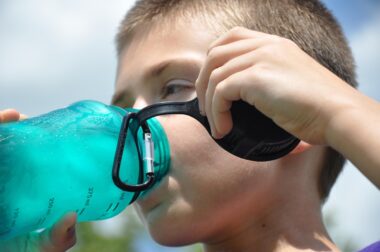

The Relationship Between Hydration and Running Recovery Time
Hydration plays a pivotal role in a runner’s performance and recovery. When engaged in running or jogging, the body loses fluids through sweat and breath, leading to dehydration. Proper hydration before, during, and after a run is crucial for ensuring the body functions optimally. Dehydration can hinder your performance, making recovery slower and more difficult. The body’s ability to recover depends significantly on the intake of water and electrolytes, which are lost during exercise. From maintaining blood volume to regulating body temperature, hydration impacts every physiological process. Without sufficient fluids, essential nutrients needed for muscle repair are not adequately delivered to tissues, which prolongs recovery times. Additionally, the risk of injury increases with dehydration since muscles may cramp due to lack of fluid. On the other hand, maintaining proper hydration levels leads to quicker recovery times, allowing runners to get back to their routine effectively. Therefore, it is vital for runners to develop a personalized hydration strategy that suits individual needs while respecting their environment and the duration of their runs. Aim for consistent hydration habits for better performance and recovery.
To enhance recovery, runners should focus on both hydration and nutrition after each run. Post-run hydration is fundamental as it replaces lost fluids, aiding in the recovery process. Water is essential, but adding electrolytes can be even more beneficial, especially after longer runs. Sports drinks or electrolyte-rich foods can replenish the body’s sodium and potassium levels, which are crucial for muscle function. Moreover, consuming carbohydrates and protein post-exercise complements hydration efforts by facilitating muscle repair and glycogen replenishment. Aim for a combination that provides approximately three parts carbohydrate to one part protein after a run. Foods like smoothies, bananas, yogurt, or energy bars can effectively accomplish this. Runners should also pay attention to their urination frequency and color to monitor hydration levels, which is an effective strategy to gauge fluid needs. Clear or light-colored urine indicates proper hydration, while dark urine signals the need for additional fluids. Engaging in mindful hydration practices not only aids recovery but also enhances overall performance. Embracing these habits can contribute greatly to any runner’s ability to perform consistently and recover efficiently.
Impact of Dehydration on Recovery
Understanding the impact of dehydration on recovery times is essential for any serious runner. Dehydration slows the healing process of sore muscles after intense workouts due to insufficient blood flow. When the body is dehydrated, it struggles to deliver oxygen and nutrients efficiently to the muscles, prolonging fatigue and soreness. Furthermore, dehydration can compromise cognitive functions, affecting decision-making and focus during runs. A dehydrated state can result in a considerable increase in recovery time after a workout session. The implications of dehydration extend beyond physical performance to mental health, leading to decreased motivation and possibly resulting in injury. Studies indicate that even mild dehydration can impair physical capabilities, highlighting the importance of maintaining proper fluid levels at all times. Runners need to develop an intuitive sense of their body’s hydration needs, adapting their drinking habits to the weather and personal sweat rates. Utilizing various strategies such as carrying a water bottle, scheduling hydration breaks, and consuming hydrating foods during long runs can greatly improve hydration status. Consequently, this will lead to a notable reduction in recovery time following workouts.
The role of hydration also extends to temperature regulation, which is crucial for effective recovery. When running, body temperature rises significantly, causing sweat production to increase as the body attempts to cool down. This process requires sufficient fluid intake; otherwise, the risk of heat-related illnesses heightens. If the body cannot cool itself effectively, performance suffers, and recovery becomes a compromised goal. The right hydration plan therefore aids not only in cooling the body but also in providing effective muscle recovery. Be mindful of the environment and conditions in which you run; hot temperatures require advancements in hydration strategies to combat fluid loss. Using a pre-hydration strategy, such as consuming fluids before runs, can also prepare the body to handle increased temperatures effectively. Post-run hydration is equally vital, as fluids consumed immediately after a run can aid in quicker temperature normalization. Hydration can lead to a reduced feeling of fatigue and a quicker transition back to everyday activities. Being proactive about hydration means you are also prioritizing faster recovery, keeping you on track with your running goals without compromise.
Hydration Strategies for Runners
Runners can implement various effective hydration strategies that suit their personal needs and training intensity. One of the simplest methods is developing a routine hydration schedule that includes drinking water consistently throughout the day. Beyond just water, considering drinks containing electrolytes is vital, especially for longer runs. It’s essential to find a balance; drinking too much water can also lead to an electrolyte imbalance. Carry a lightweight water bottle or opt for hydration packs during longer sessions to ensure fluids are accessible. You may also benefit from consuming foods with high water content, such as watermelon or cucumbers, in addition to your regular meals. Timing your hydration smartly prior to runs is crucial; drink about 500-700 ml of water two hours before running to ensure optimal hydration levels. Evaluate your body’s hydration response during workouts to tailor your fluid intake more effectively. Assess your performance level, fatigue, and recovery time, adjusting your hydration strategies accordingly. Engaging in effective hydration can boost not only your recovery time but improve overall performance on runs.
Moreover, understanding the signs of dehydration can guide effective hydration strategies for better recovery outcomes. Common symptoms of dehydration include excessive thirst, dry mouth, fatigue, and headaches. Understanding and recognizing these signs enhances a runner’s ability to maintain optimal fluid levels. Pay attention to how your body responds during training, especially after high-intensity workouts. Additionally, keeping a hydration log can keep tabs on how your body reacts to varied hydration strategies. Employing methods like weighing yourself before and after long runs can help determine fluid loss, indicating how much to drink for recovery. Each runner is different, so it is vital to establish what works best for your body. Moreover, consider individualizing hydration based on environmental conditions. During warmer months or high humidity, your body will need more fluids to maintain hydration levels. Conversely, cooler weather may not necessitate as much intake, but staying attentive is crucial. Having a strategy in place for varying conditions can ensure that hydration remains a priority, ultimately resulting in accelerated recovery and enhanced performance.
Conclusion: Hydration’s Role in Recovery
In conclusion, the link between hydration and recovery time is undeniable for runners. Proper hydration ensures that your body operates at its best, facilitating recovery after workouts. Observing hydration strategies, such as consistent fluid intake, electrolyte replacement, and mindful monitoring of hydration signs, will lead to marked improvements in performance. Hydration aids not just in muscle recovery, but also strengthens cognitive functions and maintains energy levels. Runners should develop personalized hydration plans that incorporate individual needs, running frequency, and environmental conditions. Staying suitably hydrated can provide the foundation for improved running performance and quicker recovery periods. Engaging in hydration before, during, and after runs should become second nature for every runner. Remember to prioritize hydration, particularly during intense or prolonged running sessions, where fluid loss is more pronounced. Building a proactive approach to hydration can yield substantial benefits, helping runners meet their performance goals while ensuring a healthy recovery process. Therefore, dedication to effective hydration strategies is a necessity for every serious runner looking to enhance both performance and recovery efforts.
Ultimately, hydration is a fundamental aspect of a runner’s routine that cannot be overlooked. Every runner is courageous, pushing their limits. Emphasizing hydration will allow each to reach their optimal performance levels and recover effectively. Creating awareness around the importance of hydration contributes to a more knowledgeable and well-functioning running community. Additionally, it sparks meaningful conversations that encourage exploring unique hydration techniques. Pathways to improvement often lie in understanding one’s own body; this applies significantly to hydration strategies. Each runner should strive to learn their body’s signs and needs through trial and error. Hydration knowledge, therefore, empowers runners to make informed decisions and remain injury-free while enhancing overall fitness. Providing a platform for discussion about hydration among peers may inspire new approaches to wellbeing and improved performance outcomes. Runners of all levels must embrace the importance of hydration not only for short-term goals but for cultivating long-term health. Running is a lifelong journey, and hydration is a companion that supports each runner on their path. Promote hydration awareness and share insights; it might just change someone’s running experience significantly.