
Common Mistakes to Avoid in Cardiovascular Training
Engaging in cardiovascular training is an essential component of any fitness regimen, but many individuals make critical mistakes that can undermine their efforts. One common pitfall is neglecting proper warm-up routines. A sufficient warm-up prepares your body for exercise, increases blood flow, and significantly reduces the risk of injuries. Skipping this step can lead to muscle strains and other ailments that hinder performance. Another mistake is not paying attention to form during workouts. Poor technique can strain muscles and joints, making your cardiovascular sessions less effective. Focus on maintaining proper posture, utilizing appropriate footwear, and employing the right techniques for each exercise. Additionally, it is vital to incorporate variety into your routine. Repeating the same exercises can lead to physical plateaus and decreased motivation. Try mixing different cardiovascular activities like cycling, running, swimming, or aerobics to keep things interesting and challenging. Ultimately, being mindful of these common mistakes allows for a better and more sustainable cardio experience, fostering long-term success and improvements in fitness levels.
Overtraining and Recovery
As important as cardiovascular training is, overtraining can severely impede your progress. Practicing cardio too frequently without allowing for sufficient recovery will lead to burnout, decreased performance, and potential injury. It’s essential to listen to your body and take rest days to facilitate healing and rejuvenation. Incorporating cross-training allows you to work different muscle groups, which helps in avoiding both mental and physical fatigue. Nutrition also plays a significant role in supporting your cardio training. Many individuals overlook the importance of a balanced diet rich in carbohydrates, proteins, and healthy fats. Proper nutrition fuels your body, enhancing your stamina and performance. Hydration is equally crucial; failure to stay hydrated can lead to fatigue and diminished cardiovascular performance. Many athletes, in an attempt to improve endurance, mistakenly prioritize long, slow workouts over high-intensity interval training (HIIT). While both methods have their benefits, balancing intensity with volume can lead to better results. Moreover, another mistake is ignoring heart rate zones to gauge workout intensity; understanding these zones will help ensure you’re pushing yourself appropriately to achieve desired outcomes.
One significant error that many individuals make is overlooking their breathing techniques. Intentional breathing helps to maximize oxygen intake during cardiovascular workouts, which is essential for maintaining energy levels. Poor breathing can lead to fatigue and reduced performance, inhibiting your cardiovascular capacity. Many people also fail to track their progress properly. Keeping detailed records of your workouts can help identify trends and motivate you to stay committed. The combination of consistency and evaluation will yield long-term benefits. Additionally, it is vital to set realistic goals; setting unattainable targets can lead to disappointment and reduced motivation. Focus on achievable milestones, celebrating small victories along the way. Be patient, and remember that significant improvement takes time. Some individuals tend to ignore the balance between cardio and strength training, each playing a critical role in overall fitness. Neglecting strength work can lead to muscular imbalances and limit cardiovascular performance. Finally, do not shy away from seeking professional guidance. Engaging a personal trainer or fitness expert can provide tailored advice, customized workout plans, and motivation to keep you on track with your goals.
The Role of Equipment
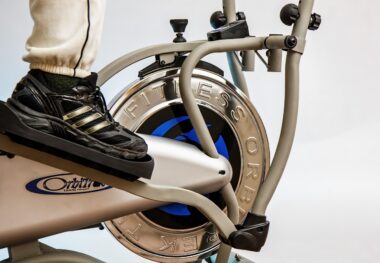
When considering cardiovascular training, it’s crucial to acknowledge the implications of equipment choices. Not selecting the right gear can lead to discomfort and decreased effectiveness during your workouts, which is why investing in quality equipment is essential. For instance, proper footwear tailored to your activity can greatly reduce the risk of injuries while offering support and cushioning. Many people also disregard the importance of having high-quality cardio machines. Familiarize yourself with the various options available; whether you opt for rowing machines, treadmills, or stationary bikes, ensuring you use equipment suited for your fitness level is significant. Additionally, people can underestimate the usefulness of fitness trackers or apps that help monitor heart rate, calories burned, and activity levels. Having such tools can motivate you to stay consistent and push your boundaries. Moreover, ensure you utilize equipment safely and effectively by following user guides or consulting experienced personnel when needed. Mastering equipment usage ensures you achieve the maximum benefit from your cardiovascular training sessions while minimizing hazards that could lead to injuries.
Environmental factors play a vital role in your cardiovascular training success, yet many neglect these elements. For outdoor workouts, weather conditions such as temperature, humidity, and air quality significantly impact performance. It’s critical to adapt your sessions based on the environment; for example, overly hot or humid conditions can lead to fatigue and dehydration. On the other hand, training in colder weather poses challenges as well. Adjust your clothing and hydration strategies accordingly to ensure a successful workout. Additionally, the environment of your training location matters; exercising in a motivating atmosphere with supportive people can lead to greater satisfaction and adherence to your routine. Finding locations that promote engagement will help you remain committed to your fitness goals. Fitness communities or group classes can enhance motivation and provide a helpful network of support. Furthermore, working out during peak times may lead to overcrowded spaces, reducing effectiveness and enjoyment. Opt for less-busy times or less crowded areas to optimize your training sessions, allowing adequate space to perform your workouts effectively while maintaining focus.
Mindset and Attitude
Finally, having the right mindset and attitude is crucial in your cardiovascular training journey. Many individuals have a negative approach, focusing on the difficulty instead of the benefits of staying active. Shifting your perspective from viewing exercise as a chore to recognizing its benefits can transform your training routine. Embrace the feeling of accomplishment that comes after completing a session; it can positively impact your motivation and adherence. Additionally, setting intentions for each workout fosters a deeper connection to your sessions. Having specific goals, whether achieving a certain distance, duration, or intensity level, helps keep you engaged and focused. It’s important to be kind to yourself throughout this journey; setbacks may occur, but maintaining a compassionate attitude makes it easier to recommit. Surround yourself with positive influences, whether through friends, family, or online communities—these connections can foster accountability and support, reinforcing your dedication to cardiovascular training. Finally, consider incorporating mindfulness techniques like meditation or yoga into your routine. These practices can help decrease stress and improve focus, contributing to a more fulfilling workout experience.
In summary, avoiding common mistakes in cardiovascular training is crucial for achieving your fitness goals. Focus on warming up properly and maintaining proper form to prevent injuries. Incorporate variety and balance your workouts to ensure sustained progress while allowing your body to recover. Pay attention to nutrition, hydration, and breathing techniques for improved performance, and track your progress to stay motivated. Invest in the right equipment and be aware of environmental factors that can impact your training. Furthermore, fostering a positive mindset and nurturing a supportive environment can result in a successful fitness journey. Consult professionals when necessary to gain personalized insights, ultimately elevating your training. Remember, the path to improved cardiovascular health and fitness is a marathon, not a sprint. Patience and consistency will yield the best results over time. By integrating these strategies and addressing common mistakes now, you’ll set yourself up for long-term success in your fitness journey. Enjoy the process and the improvements that will come with each thoughtful decision!