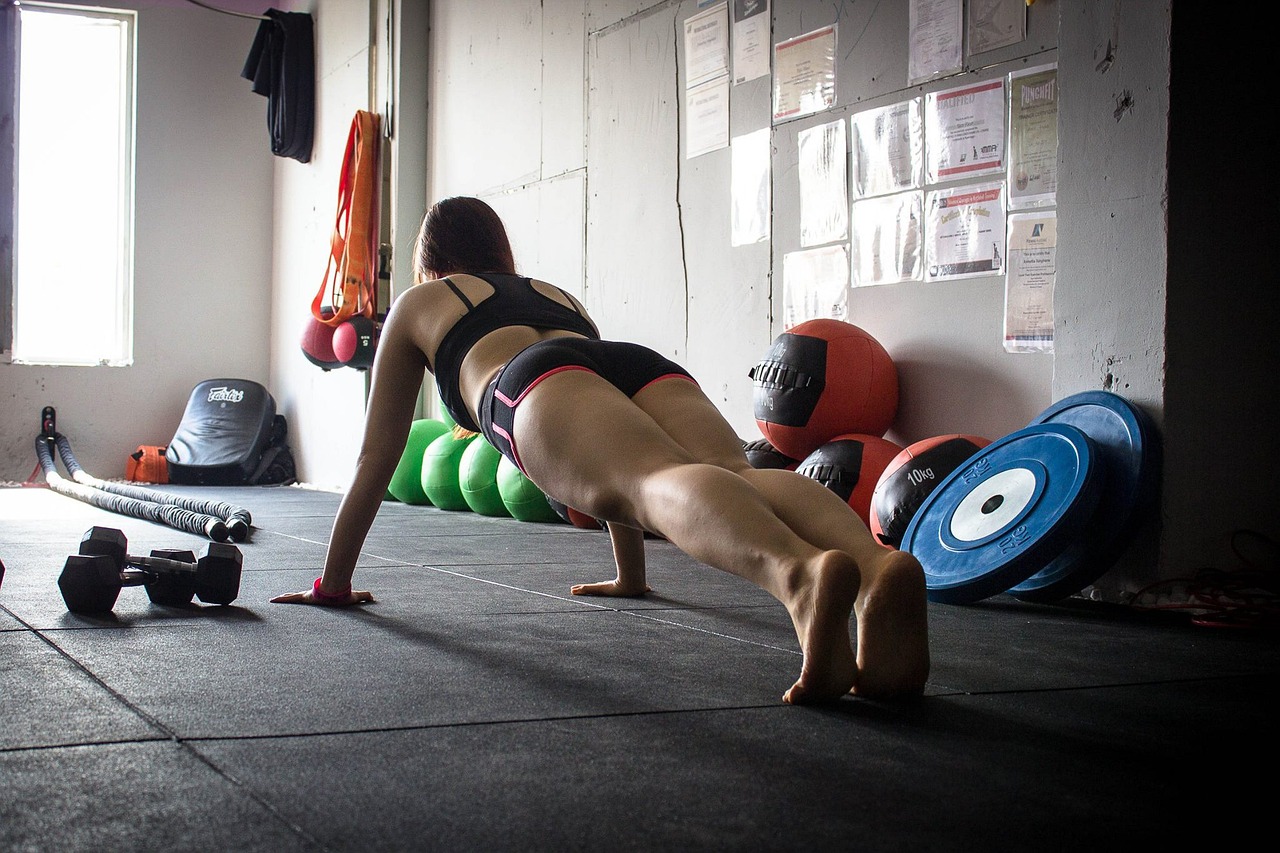

Core Training Mistakes to Avoid During Triathlon Preparation
When preparing for a triathlon, many athletes overlook the importance of a strong core. Core training improves stability and balance, ensuring efficiency in swimming, cycling, and running. Ignoring this aspect often leads to poor performance or even injury. Athletes tend to focus solely on cardiovascular and muscle strength training, neglecting the core’s role. A key mistake is failing to incorporate a variety of core exercises. Many only perform traditional workouts like sit-ups and planks, which can limit improvement. Core exercises should include dynamic movements that mimic triathlon motions, enhancing strength in realistic situations. Also, it’s crucial to prioritize the quality of each exercise over quantity. Many people perform core exercises without proper form, and this reduces their effectiveness and may result in injuries. Furthermore, understanding the integration of core training into overall workout plans is essential. Athletes often isolate core workouts rather than integrating them into their triathlon training sessions. Lastly, many fail to track their progress in core strength. Utilizing metrics and feedback can provide motivation and insight, leading to better core training results throughout the preparation period.
An often overlooked aspect of core training is timing within a workout. Athletes sometimes place core workouts at the end of a session when fatigue sets in. This mistake can diminish performance and lead to ineffective training. Performing core exercises before engaging in more strenuous activities like running or cycling can provide better muscle activation and reduce injury risk during these intense efforts. Additionally, athletes might ignore the significance of recovery. Insufficient recovery can lead to overtraining, affecting performance negatively. Core muscles require time to recover after intensive workouts; thus, incorporating rest is vital. Many athletes also avoid working on core endurance, focusing instead on strength. This oversight can limit overall performance during long-distance events where endurance becomes essential. Moreover, athletes can’t forget about flexibility and mobility. Neglecting these factors can lead to tightness and imbalances, negatively impacting core function. Failing to include stretching and recovery methods can lead to muscle imbalances that hinder performance. Moreover, individuals must maintain variety in their core workout routines. Repeating the same exercises can cause boredom and decreased motivation. Keeping workouts fresh and exciting will breed enthusiasm and continual improvement.
Common Misconceptions in Core Training
Many triathletes underestimate the complexity and necessity of core training. A widespread misconception is that doing more repetitions results in a stronger core. In reality, muscle function and endurance matter significantly more than sheer volume. Quality over quantity is essential; focus on performing core exercises correctly rather than doing numerous repetitions without good form. Another misbelief is that core strength solely comes from upper-body workouts. While these exercises play a role, incorporating movements that engage the entire body is critical. Exercises such as bridges, rotations, and stability ball workouts champion more effective core training. Some athletes believe that core endurance isn’t essential when they have significant strength. However, maintaining endurance during lengthy races is crucial. Failing to develop both aspects can lead to fading performance in the later stages of a triathlon. Additionally, misconceptions around core training’s impact on weight management exist. While a strong core helps improve athletic performance, it alone won’t lead to weight loss. A holistic approach, including nutrition and exercise variety, is vital. Lastly, avoiding reliance on equipment is crucial. Many athletes think spending on fancy equipment guarantees results, but bodyweight exercises can provide excellent benefits if performed correctly.
Implementing core training during triathlon preparation means ensuring proper muscle engagement throughout every workout. Ignoring how core muscles interact with arms, legs, and back can limit efficiency across disciplines. Athletes need to focus on movements that enhance coordination. Exercises such as medicine ball twists or stability ball pass engages entire core muscles, allowing better transfer of strength and stability to swimming, cycling, and running. Furthermore, regularly incorporating these exercises ensures consistent core muscle activation and strength development. Another mistake often made during training is figuring out core drills without adequate coaching. Athletes need feedback from experienced coaches to ensure their techniques cater to individual needs and progress. Moreover, while athletes may prioritize physical aspects, mental training is equally necessary. Learning to focus during core workouts fosters a connection between mind and body, leading to better outcomes. Mental toughness developed through core sessions can transfer to triathlon performance, providing psychological benefits. Furthermore, scheduling core workouts alongside other training is crucial. Too many athletes consider it an afterthought rather than necessary. Creating a balanced schedule, integrating core workouts into routine training regimens, supports consistency. Seeing core training as foundational builds strong, functional athletes prepared for triathlons.
Integrating Core Workouts with Other Disciplines
It’s essential to integrate core training effectively with swim, bike, and run sessions for triathletes. Having a solid core translates directly into more effective performance across these disciplines. For swimming, stability in the water comes from a strong core. The ability to maintain streamlined positions relies on proper core strength, allowing for efficient strokes. Cycling, on the other hand, requires stability to transfer power to the pedals. Core training enhances endurance and the ability to maintain posture over long distances. When running, a strong core promotes efficient mechanics. It stabilizes the pelvis and spine, leading to better form and reduced injury risk during extensive runs. Athletes should plan core workouts to be short yet intense, fitting seamlessly into overall training regimens. It’s beneficial to schedule core sessions on swim or bike days, preventing overloading while enhancing cross-discipline support. Moreover, using core drills within long training sessions can provide a unique stimulus to combat fatigue. Ultimately, understanding how each discipline benefits from core strength is vital. Balancing and integrating core training leads to overall fitness, ensuring triathletes are better prepared for race day.
Finally, maintain a holistic perspective on core training, acknowledging its role in injury prevention. Many athletes fail to recognize that a strong core supports surrounding muscles, reducing the risk of strains and injuries. Focusing solely on one area can leave other muscles vulnerable, leading to imbalances and injuries. Thus, ensuring a balanced approach in training is crucial. Athletes should combine core workouts with strength training exercises, stretching, and aerobic activities for a comprehensive training strategy. Also, regularly evaluating one’s core strength through specific tests helps identify areas needing improvement. Using assessment tools to track progress provides athletes with data, ensuring their training is effective. Moreover, athletes should document their experiences and focus on assessing their routines periodically. Gathering insights can help maintain motivation and guide further training decisions. Incorporating a review system can help create a responsive workout regime tailored to individual needs and progress. All this said, trial and error form an integral part of the process. Be open to experimenting with different exercises, routines, and schedules. Learning from successes and failures will ultimately cultivate a stronger, more functional, and resilient core, essential for triathlon success.
Embrace diversity in core training routines; effective sessions engage multiple muscle groups and contribute to overall success. Balance strength, endurance, flexibility and mobility to achieve the holistic understanding of core training essential for triathlon preparation. Remember, triathletes aim for optimized performance and injury prevention through strong core development.
Core Training isn’t just supplementary; it’s foundational, integrating into swimming, cycling, and running. Maintain commitment, track progress, and celebrate achievements to keep motivation high throughout the training journey.