
Seasonal Guide to Balance and Stability Exercise Programs
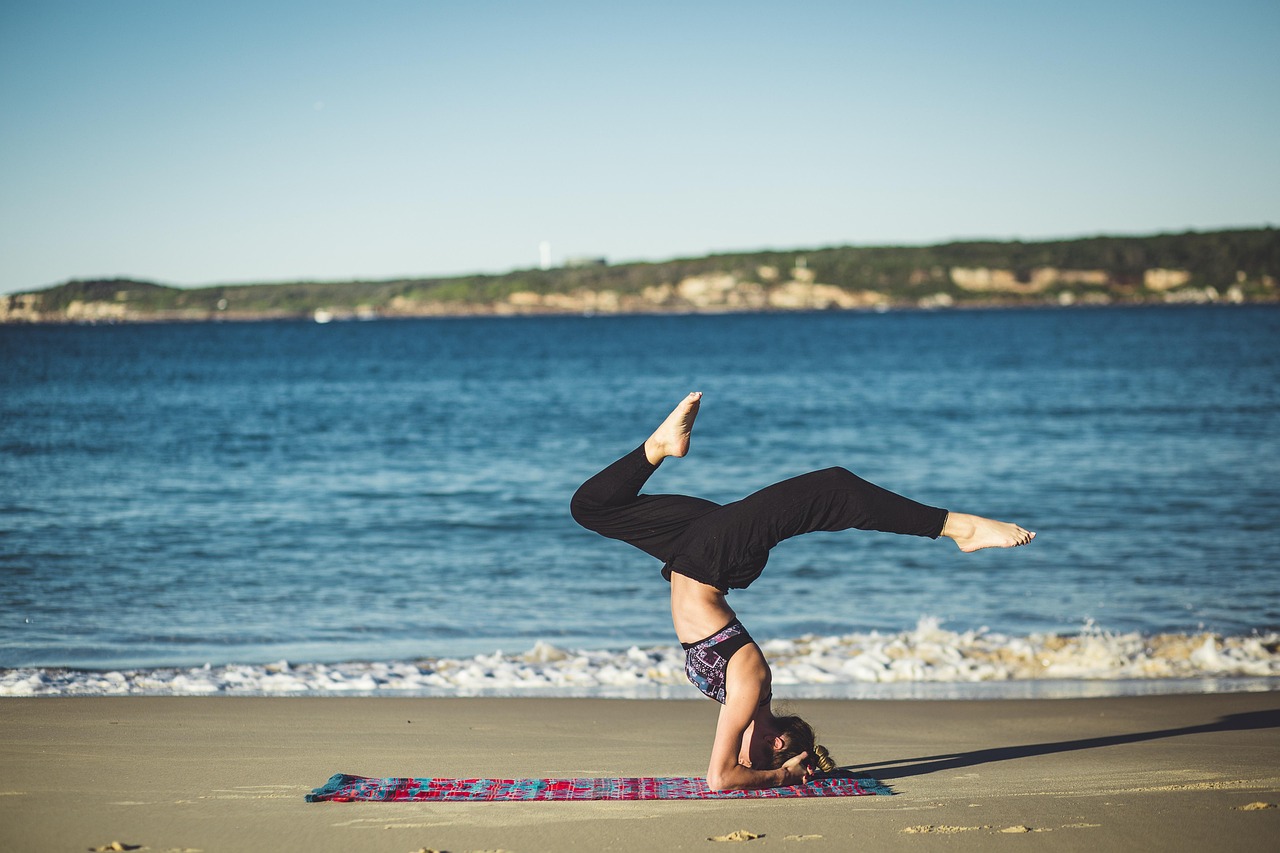
Developing balance and stability is essential for Physical Fitness, regardless of the season. Emphasizing proper techniques during workouts is crucial for enhancing your body’s coordination and overall strength. To get started, consider engaging in activities like yoga, Pilates, or tai chi. These practices are fantastic for improving body awareness and enhancing core strength. Begin with simple poses or exercises that focus on maintaining balance. As you progress, try more complex poses to challenge yourself and push your limits. Incorporate dynamic movements to build endurance and flexibility for better stability over time. Ensure that your workout space is clutter-free and safe to minimize accidents while practicing balance exercises. Include a warm-up routine to prepare your body for the workout ahead. Don’t forget to incorporate cool-down stretches to increase flexibility and prevent injuries. Setting specific goals for your balance improvement can also keep you motivated. Remember to perform balance exercises regularly to reap benefits. Assess your progress through consistent testing of your balance capabilities during activities. Make adjustments to your routine based on your performance to continually challenge yourself and bring progress.
Fostering balance requires a variety of challenges to make the workouts interesting and beneficial. Doing simple activities can significantly enhance your overall body awareness. Start with single-leg stands, which can improve stability and coordination. Challenge yourself by closing your eyes while standing on one leg to develop proprioception. Implement core-strengthening exercises that engage various muscle groups, which are equally beneficial for stability. Incorporate dynamic movements that require you to adjust to shifting weights or directions quickly. Examples include lunges and squats, where you can manipulate the depth and speed. Explore using stability tools like balance boards, wobble cushions, or exercise balls to elevate your workout. These tools introduce instability and require your body to engage different muscles to maintain balance. Remember not to rush the exercises; focus on form and technique, ensuring the movements are controlled and deliberate. Pay attention to your breathing and maintain a mindful approach during exercises. Gradually increase the intensity by adding weights or increasing the duration of your exercises. Consistency is crucial, so set weekly routines that allow you to practice these movements with persistence and dedication.
Seasonal Exercise Recommendations
Adapting your balance and stability workouts to reflect seasonal changes can make your routines more engaging. In the warmer months, consider outdoor options that provide variety. Activities like hiking or trail running improve balance while enjoying the environment. Incorporating outdoor exercises into your workout routine offers different terrains to navigate, enhancing stability and coordination. Explore engaging in group classes at local parks or recreation centers, which provide a social component to your fitness routine. During colder months, focus on indoor activities that keep your balance training consistent. Look for classes that focus on yoga, pilates, or dance, allowing for safe practice during inclement weather. Seeking virtual classes is also an option, facilitating flexibility in your schedule without sacrificing your workouts. Consider setting achievable monthly goals to maintain focus and track your progress. In addition, invest in proper footwear, especially when outdoors, to provide adequate support. Practicing bodyweight exercises at home is effective for maintaining strength and stability. Regularly evaluate your core strength, as it plays a critical role in overall balance. Aim to create routines that challenge you, adapting as necessary, ultimately leading to improvement.
Incorporating functional training into your seasonal balance workouts can be highly beneficial. Functional training focuses on movements that replicate everyday activities, increasing your body’s ability to perform daily tasks efficiently. For instance, exercises like step-ups improve functional stability, relevant for climbing stairs or other similar actions. Exploring agility drills can enhance your coordination while also developing speed and balance. Suggested activities include ladder drills or cone drills, ensuring you challenge both your mind and body. Be sure to include some form of resistance training as well; using weights, resistance bands, or bodyweight exercises builds muscle, supporting overall balance. Engaging in partner workouts can foster motivation and ensure accountability. Friends can provide valuable feedback on your form and technique, aiding in continuous improvement. Incorporate balancing challenges through specific games that necessitate coordination and control. Use applications or local community events to remain engaged and inspired. Additionally, ensure your fitness program evolves over time, adjusting based on personal growth and fitness levels. Tracking improvements through journal entries can help visualize progress, serving as motivation for future sessions. Focus on creating a sustainable routine that encourages lifelong balance improvements.
Monitoring Your Progress
Maintaining awareness of your progress in balance and stability exercises is key to growth. Regularly assess your abilities by implementing specific tests and benchmarks. For example, perform timed single-leg stands or assess how long you can maintain a specific yoga pose. Keep track of any improvements in these benchmarks to exhibit your progress effectively. Establishing a regular check-in schedule can help you stay focused on your goals. Make use of mobile apps that allow you to record workouts and integrations with health devices for real-time progress tracking. Consider completing assessments bi-weekly or monthly to gain insight into your development. Incorporate feedback from instructors or peer workout partners to understand your strengths and areas of improvement better. Setting long-term goals rather than breaking them into smaller objectives may enhance motivation and adherence. Core strength is critical for stability; hence, progress in core exercises should also be monitored closely. Determine if improvements translate into more advanced movements or greater control during exercises. Celebrate milestones to encourage yourself, reinforcing positive habits while fostering a sense of accomplishment. Consistently evaluate and adjust your goals to align them with your evolving capabilities and fitness journey.
Engaging in seasonal balance and stability workouts can significantly improve not just physical health, but mental well-being as well. Exercise stimulates the release of endorphins, known to enhance mood and reduce stress. Regular physical activity can lead to a sense of accomplishment and self-confidence. Practicing mindfulness during workouts opens avenues for emotional well-being, as focusing on breathing and movement fosters a deep connection between body and mind. Embrace routines that instill tranquility and clarity, such as practicing tai chi within natural surroundings. Studies have shown that regular engagement in physical activities positively affects memory functionality and cognitive skills. Learning new exercises and movements is an excellent way to keep your mind active. Moreover, joining group classes fosters social interaction and creates a sense community, crucial for sustained motivation. Sharing your fitness journey with like-minded individuals enhances accountability, empowering you to strive harder. Create a calendar filled with local events, workshops, or community challenges to stay engaged with fitness in a fun way. Encourage friends or family to join you, strengthening relationships while elevating fitness goals. Embrace the joyous aspect of seasonal workouts, balancing fun with effective exercise routines.
Final Thoughts on Seasonal Fitness
Reflecting on your seasonal fitness journey during balance and stability workouts enables growth and evolution of personal practices. Assess the different variables that may influence your workouts, such as motivation, weather, or personal commitments. Recognizing these factors allows you to create effective strategies to maintain your routine, regardless of external challenges. Seasonal changes open opportunities for creative and diverse exercise options, ensuring you can adapt. Remain open-minded about new exercise modalities or techniques; trying various workouts can lead to finding unique methods that resonate! Regular evaluation slogans can help promote a sense of accountability, fostering focused effort within group or personal settings. Consistent adaptation of your physical challenges encourages both personal and social growth, enriching your overall fitness journey. Prioritize wellness as a holistic initiative that interacts with various life areas, leading to profound self-improvement. Lastly, integrating seasonal fitness elements into your lifestyle increases body awareness, coordination, and strength. Embrace the power of balance and stability workouts as a foundation for overall fitness. Ultimately, celebrate small victories and acknowledge progress both in movement and mindset, fostering long-term commitment and health benefits.
Every season provides the ideal opportunity to enrich your balance and stability practices in fun and engaging ways. With thoughtful planning, varying your routines can keep workouts fresh, exciting, and beneficial during the year’s seasons. Remember that balance and stability work is foundational to a good fitness regimen, impacting overall body functionality and reducing injury risk. Prioritize safety and consistency as essential components. Planning seasonal goals and assessing progress can set the stage for sustained motivation. Choose workouts that align with your lifestyle and interests as cultivating passion for fitness will yield better adherence. Leverage technology and community resources available to provide guidance and enhance your experience. Whether it’s joining condensed local training sessions or utilizing online platforms, seek ways to advance your fitness journey. Ensure both mental and physical well-being is part of your seasonal fitness approach. Finally, immersing yourself in nature while practicing balance and stability can provide peace and clarity. Enjoy the process of training while valuing each season’s unique offerings to nurture your mind and body as you progress in your fitness journey.