
Balancing Macros in Gluten-Free Pre-Workout Meals
When you’re preparing for a workout, ensuring your nutrition is on point is essential. Gluten-free meals can be nutritious without compromising performance. Balancing your macros is key—carbohydrates are crucial for energy, proteins support muscle recovery, and healthy fats offer sustained vitality. Building meals with a variety of gluten-free ingredients can be both easy and flavorful. Quinoa, for instance, serves as an excellent base for energy-rich meals, offering carbs and protein. Combining quinoa with vegetables and lean meats can create a solid pre-workout dish. Additionally, consider using sweet potatoes, which are not only gluten-free but also provide complex carbohydrates. These keep energy levels stable during exercise. Nuts like almonds or walnuts can add healthy fats while enhancing flavor. Remember to include hydration; adding fruits like bananas can help replenish electrolytes and maintain performance. Customize your gluten-free pre-workout meal according to your preferences, focusing on nutrient density to maximize efficiency. Balancing macros will help you perform at your best while enjoying delicious meals that fuel your workouts.
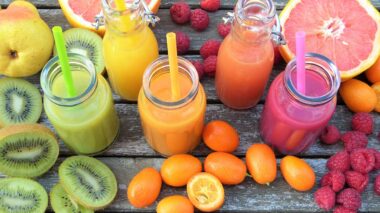
Perfecting your gluten-free pre-workout meal doesn’t have to be complicated. With the right approach, you can enjoy a variety of flavors and nutrients. Many people overlook snacks. However, protein bars are a great option, especially if they are gluten-free. Homemade bars can ensure you know the ingredients while controlling sugar and sodium levels. Combine oats, nut butter, and protein powder for a balanced snack. Crafting smoothies can be another winning approach to pre-workout nutrition. By blending spinach, frozen berries, and yogurt, you achieve a satisfying, nutrient-packed drink. Smoothies offer hydration while providing essential vitamins and minerals. Incorporating chia seeds can boost the protein content while also adding omega-3 fatty acids. Since timing matters in pre-workout nutrition, give yourself 30-90 minutes prior to exercise for digestion. Monitor how your body responds to various foods—everyone’s nutritional needs differ. Experimenting with your meal timing and composition can help ensure optimal performance. Consider a small meal of rice cakes topped with almond butter before workouts. This approach will provide a balanced source of energy while keeping gluten out of your meal plan.
Gluten-Free Carbohydrate Sources
Understanding various carbohydrate sources is vital for crafting your pre-workout meals. Many gluten-free options can be equally nutrient-dense. Rice, for example, is a classic carbohydrate source prized for its versatility and simplicity to prepare. Opt for brown rice to maximize fiber intake, enhancing digestive health and stabilizing energy levels during workouts. Another great source is buckwheat, which, despite its name, is entirely gluten-free and rich in fiber and protein. It can be cooked as a porridge or used in baked goods. Other gluten-free options include millet and amaranth, which are less common but highly nutritious. Consider blending these grains into salads or as side dishes to your protein-rich meals. Potato varieties are also beneficial; sweet potatoes are a favorite due to their sweetness and nutrient profile. They can be roasted, mashed, or diced for preparation. Utilizing carbohydrates as the foundation for pre-workout meals can help you feel energized while fueling your workout. Portion control is necessary; eating the right amount will prevent discomfort and optimize your performance.
Including plenty of vegetables in your pre-workout meals is another necessity. Vegetables not only provide fiber but also essential vitamins and antioxidants that help with energy levels and recovery. Spinach and kale are excellent choices, packed with nutrients and easy to add into smoothies and salads. Carrots add crunch and potassium, which can help in muscle function. Broccoli and bell peppers can also enhance your meals, providing a variety of flavors along with vitamins A and C. By incorporating these vegetables into your pre-workout meals, you create a colorful and vibrant plate that’s as visually appealing as it is nutritious. A tip is to sauté vegetables lightly to retain their nutrients while making them tender. For added energy, pair vegetables with gluten-free grains and protein sources. Avocado is another fantastic ingredient; it provides healthy fats and fiber. You can blend avocado into creamy dips or spreads, making your meals enjoyable and satisfying. Keep exploring different combinations and flavors; it allows you to find the best options for your personal taste and workout needs.
Choosing Protein Sources
Protein is crucial in any pre-workout meal. It helps with muscle repair and recovery post-exercise. For gluten-free meal options, there are ample protein sources available. Lean meats like chicken and turkey are popular choices that offer a complete amino acid profile essential for muscle growth. Moreover, fish provides healthy omega-3 fats, promoting cardiovascular health. If you prefer plant-based proteins, consider legumes such as lentils and beans, which are gluten-free and provide fiber. Tofu and tempeh are also great protein alternatives that offer versatility in preparation styles, whether baked, stir-fried, or grilled. Eggs are another fantastic protein source; they can be boiled, poached, or scrambled, making them a lifting partner’s favorite. Protein powders can be utilized for shakes if you’re short on time; ensure they’re labeled gluten-free. By balancing these protein sources with carbs and fats, you create meals that support muscle growth while sustaining energy throughout your workout. Ultimately, including a variety of protein sources adds much-needed diversity to your pre-workout nutrition.
Another key component of a balanced pre-workout meal is healthy fats, which can provide long-lasting energy. Fats should be included in moderation; thus, consider options that offer nutritional benefits without overwhelming your meal. Foods such as avocados, nuts, and seeds are rich in healthy fats. Nut butters, such as almond or peanut butter, can top rice cakes or be blended into smoothies. They add flavor and provide protein alongside healthy fat. Incorporating seeds like chia or flaxseed may enhance protein intake and offer omega-3 fatty acids. Additionally, oils like olive or coconut oil can be used for cooking and dressings while keeping meals gluten-free. When preparing meals, keep portion sizes moderate to avoid discomfort during workouts. Pay attention to how your body responds to fat intake before your workouts. Experiencing heavy meals can detract from performance. Planning your meals ahead will allow you to have balanced gluten-free options that fuel your workouts effectively. Remember, enjoying healthy fats in the right amounts can improve general health while enhancing workout recovery.
Summary of Gluten-Free Pre-Workout Meal Ideas
Balancing your macros in gluten-free pre-workout meals is essential for optimal energy and performance. Focusing on a variety of gluten-free ingredients allows for a satisfying and delicious experience. Carbohydrates, proteins, and healthy fats need careful consideration. Although it’s easy to get lost in labeling everything as gluten-free, ensure your meals are varied enough to cover all macro needs. When planning your meals, think about including proteins such as chicken, turkey, or legumes alongside carbohydrates like quinoa or brown rice. Adding colorful vegetables and healthy fats makes meals well-rounded while enhancing your nutrient intake. Listen to your body; everyone reacts differently to food, so finding what works best for you is vital. Meal prepping can streamline your nutritional approach, allowing for quick and easy options when time is limited before workouts. Try experimenting with recipes that excite you and align with your nutritional goals; this can keep your pre-workout meals enjoyable and rewarding. By balancing macros and focusing on gluten-free options, you’ll enhance performance in the gym while maintaining a healthy lifestyle.
In conclusion, gluten-free pre-workout meal ideas provide a wealth of options for anyone looking to fuel their exercise sessions. Understanding how to balance your macronutrients effectively while choosing gluten-free ingredients can be the key to meeting your workout goals. Embrace the variations available to create meals packed with energy, nutrients, and flavors that cater to your specific dietary needs. Remember that nutrition shouldn’t be tedious, and exploring different ingredients can keep your meals exciting and enjoyable. Celebrate the versatility of gluten-free cooking by creating meals, snacks, or smoothies that keep you thriving during workouts. You have the power to customize your pre-workout nutrition according to your individual preferences. Don’t be afraid to innovate and experiment with different recipes that suit your taste buds. Ultimately, prioritizing health and nutrition can lead to improved performance and well-being.