
Understanding Flexibility in Weightlifting
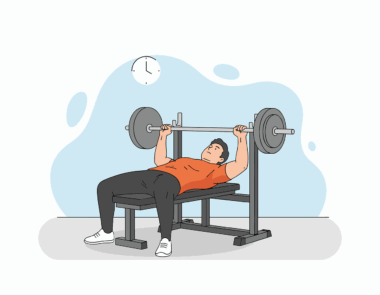
Flexibility plays a crucial role in optimizing bench press techniques. Adequate flexibility ensures that athletes maintain proper form, which is essential for safe and effective lifting. Flexible muscles allow for a greater range of motion, facilitating a full press where the barbell descends towards the chest effectively. Additionally, flexibility in the shoulders and chest reduces the risk of injuries that could arise from lifting heavy weights. Many lifters often overlook the importance of stretching before engaging in weightlifting sessions, where targeted stretching can significantly improve performance. Incorporating dynamic stretches into warm-ups can enhance blood flow and muscle elasticity, leading to better lifting technique. Furthermore, static stretching post-workout aids recovery by helping muscles relax after intense lifting bouts. As athletes break down muscle fibers during bench pressing, a proper recovery routine, including stretching, can promote growth and reduce soreness. Prioritizing both flexibility and mobility ensures lifters can hit personal bests while also fostering longevity in their lifting careers. For more insights on techniques, visit Bodybuilding.com to explore guidance on improving flexibility and mobility for optimal results.
Mobility, particularly in the shoulders and wrists, significantly affects the bench press technique. Proper shoulder mobility allows athletes to lower the bar efficiently to their chest without compromising form. Restricted shoulder movement can lead to an uneven distribution of weight across the shoulders, increasing injury risks. Lifters must work on shoulder mobility exercises regularly, such as external rotations and band pull-aparts. Not only do these exercises increase range of motion, but they also activate the necessary stabilizing muscles around the shoulder joint. Additionally, wrist mobility is essential for maintaining a strong grip on the barbell. A tight wrist can lead to discomfort and instability during the lift. Exercises aimed at enhancing wrist flexibility promote better alignment of the hands and elbows for a more powerful press. Mobility drills like wall slides and thoracic spine rotations can help achieve greater range in both shoulders and wrists. A well-rounded approach to both flexibility and mobility allows lifters to harness their maximum potential under the bar. Following these practices will surely yield noticeable improvements in technique, power, and overall performance on bench day.
The Importance of Core Stability
Core stability is another critical component when considering the impact of flexibility and mobility on the bench press. A strong and stable core connects your upper body to your lower body, significantly influencing how you perform the lift. Engaging your core during the bench press stabilizes your spine, providing a solid foundation to exert force. Lack of core strength can lead to excess movement during the lift, compromising technique and potentially leading to injury. Exercises such as planks, dead bugs, and bird dogs efficiently develop core stability and strength. Integrating these exercises into your training regimen will enhance overall stability. Furthermore, a flexible core can also resist excessive arching during the bench press, leading to sound technique. A good range of motion across your abdominal muscles can contribute to better control and balance while pressing. In conjunction with flexibility and mobility work, focusing on core stability aligns with developing a holistic approach to training. Adopting this dual focus paves the way for achieving personal records in the bench press, allowing weightlifters to express force more effectively. Remember, strong core muscles set the stage for powerful lifts.
Train your flexibility and mobility consistently to witness tangible benefits in your bench press performance. This dedicated approach not only increases physical capacity but also positively impacts your mental state surrounding lifts. Improved flexibility fosters confidence in your technique, prompting lifters to push boundaries. Establishing a robust routine of stretching and mobility drills can seamlessly enhance performance without overtraining. Consider implementing yoga, which develops flexibility while promoting a mind-body connection, enhancing focus during workouts. Research suggests incorporating yoga can lead to improved strength and injury prevention, key factors for athletes pushing their limits. Additionally, improving flexibility can alter an individual’s perception of discomfort during lifting. Lifters often report feeling empowered as they master range of motion, fostering a sense of accomplishment. Programs that emphasize flexibility are often overlooked, neglecting their role in overall performance. Complement stretching routines with regular performance assessments that track improvement over time. Document your experience to review changes in performance metrics that correlate with flexibility and mobility training. Evaluate your progress frequently and adjust your training accordingly for continuous improvement. Such a strategy not only keeps lifters motivated but also instills the discipline required to achieve long-term success.
Common Flexibility and Mobility Issues
Understanding common flexibility and mobility issues can guide athletes in addressing their bench press technique. Muscle tightness in specific regions, such as the chest and shoulders, can limit effective movement during the lift. Tight pectoral muscles often inhibit the full range of motion, leading to a deviation from proper form. Identifying these issues early through self-assessments will empower lifters to take corrective measures. Utilizing foam rollers and massage guns can help alleviate tightness, promoting increased flexibility. Additionally, some lifters struggle with hamstring and lower back flexibility, which impacts the bench press setup. Poor flexibility in these areas can lead to instability and misalignment during lifting. Identifying these tight areas and incorporating mobility exercises into your warm-up routine can significantly improve performance. Techniques such as hip openers and torso twists should not be neglected, as they enhance overall body mechanics. As weightlifters confront mobility challenges, consistency in stretching routines becomes vital. Making time for these exercises cultivates an environment for growth and improvement. Always remember that flexibility and mobility can directly impact your lifting experience, promoting a higher-quality workout each session.
Besides physical benefits, enhancing flexibility and mobility can also lead to psychological advantages during weightlifting. Lifters often report experiencing reduced anxiety and improved focus when they commit to a stretching routine. Knowing that the body’s tissues are well-prepared for movement creates a sense of freedom, empowering athletes to perform better under pressure. This mental shift can significantly influence the athlete’s experience when attempting heavy lifts, including the bench press. Furthermore, strong mobility can enhance how athletes engage with their training sessions, leading to increased motivation. Positive reinforcement emerges from observing steady improvements leading to more focused training habits. The practice of mindfulness during mobility exercises can extend to performance in the gym, teaching athletes to maintain concentration while lifting weights. Consequently, the synergy between flexibility and mental readiness can contribute to achieving new personal bests. Practicing visualization techniques during stretching routines allows athletes to mentally rehearse their bench press technique. This mental preparation sets the tone for greater performance efficiency under pressure during actual lifting sessions. Thus, the impact of flexibility and mobility on bench press extends beyond mere physicality, fostering a holistic approach toward athletic achievement.
Creating a Flexibility and Mobility Plan
Designing a comprehensive flexibility and mobility plan is essential for athletes wanting to improve their bench press technique systematically. A well-structured program should consist of both dynamic and static stretches tailored to the individual’s specific needs. Start the plan with dynamic stretches targeting the upper body, particularly the shoulders, chest, and upper back. Exercises like arm circles or torso twists can serve as excellent warm-ups. Following the lifting session, implement static stretches, including chest openers or doorway stretches, to promote recovery and improve overall flexibility. Lifters should schedule at least two recovery days specifically dedicated to flexibility and mobility work. These sessions allow the muscles to recover while enhancing their capacity to move freely. Keep in mind that consistency and moderation are vital; overly intense stretching risks injuries. Tracking progress over several weeks using performance metrics ensures the approach remains effective. Lifters can adjust their programs based on improvements or areas requiring more focus during this monitoring period. Ultimately, dedicating time to a tailored flexibility and mobility plan will yield significant improvements in bench press performance over time, ensuring continuous athletic development.
As one journeys through the path of improving flexibility and mobility for effective bench press technique, support from peers within a fitness community can significantly enhance results. Joining a gym that promotes a culture of learning can expose athletes to various stretching techniques from fellow weightlifters. Participating in workshops or classes about mobility also arms athletes with new knowledge to approach their training uniquely. These support networks encourage accountability, motivating individuals to stick to their training routines. Sharing experiences and learning from others fosters insights that translate directly into performance enhancements when bench pressing. Moreover, creating friendly competitions can keep the motivation high, leading to additional participation in flexibility work. Consistent encouragement from a community can boost the psychological aspect, allowing athletes to push past barriers and experience improvements. The camaraderie built among fellow lifters can become a source of inspiration, highlighting the importance of collective growth within the fitness journey. As individuals support one another, the challenge of mastering bench press techniques is made easier, encouraging lifters to invest in their flexibility and mobility journeys together, ultimately achieving greater outcomes and building lasting relationships in the process.