
Vitamin C Supplements and COVID-19: What Does Research Say?
Vitamin C is commonly known for its immune-boosting properties, and many people wonder if it can help prevent or mitigate COVID-19 effects. Research into the relationship between vitamin C and respiratory infections has shown promising results. Immune cells rely on ascorbic acid to function optimally, potentially providing greater resistance against viral infections. A significant amount of vitamin C supports the growth and functioning of white blood cells, essential for fighting infections. Studies are ongoing to determine the efficacy of vitamin C in both preventive measures and treatment protocols for COVID-19. Some studies have reported that patients receiving high doses of vitamin C fared better during their COVID-19 treatment. Additionally, individuals with lower vitamin C levels are more prone to respiratory complications. Experts recommend incorporating vitamin C-rich foods such as oranges, kiwi, and strawberries into one’s diet. However, while supplementation may provide benefits, it should not replace other preventive measures. Staying informed about current research findings will help individuals make educated choices regarding supplementation during the pandemic and beyond.
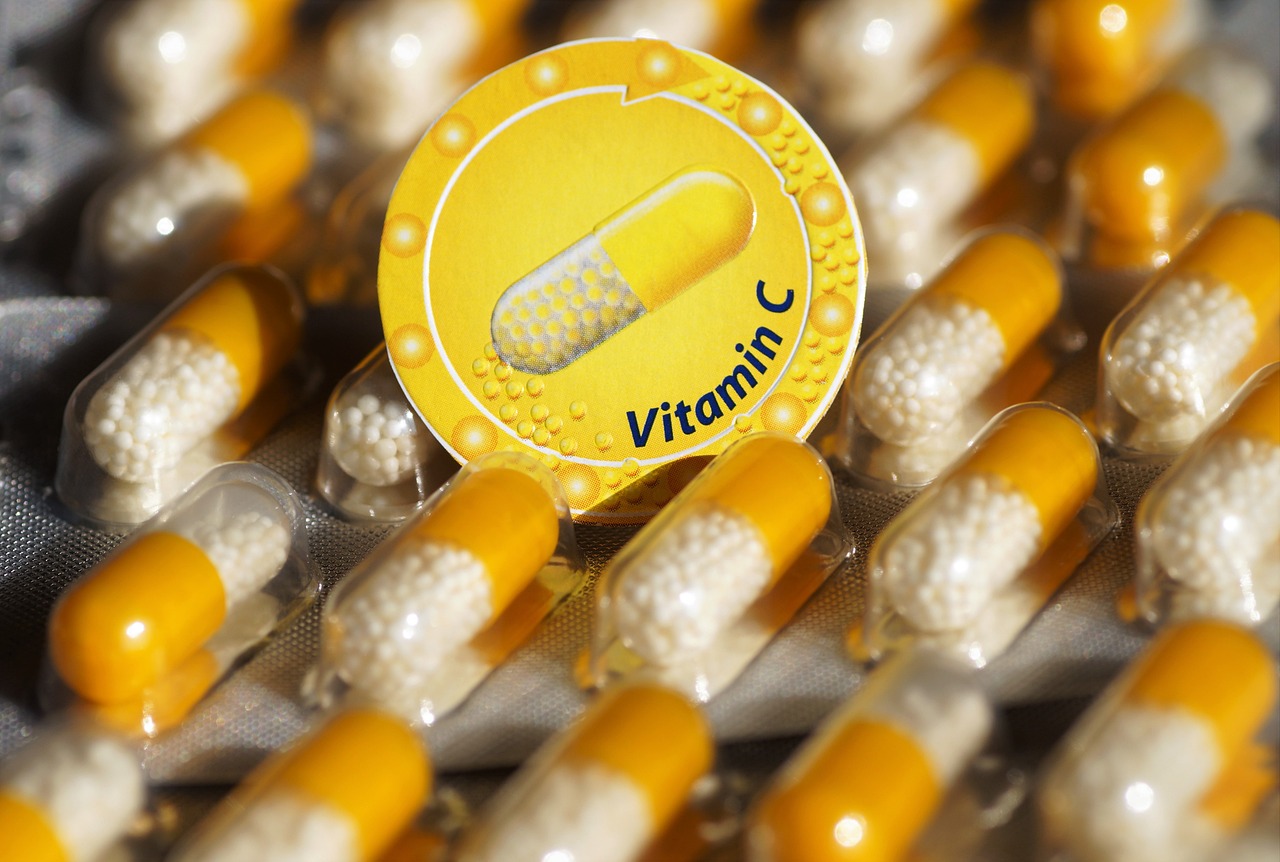
While many people turn to vitamin C supplements, it’s essential to approach them with caution and proper understanding. The recommended dietary allowance (RDA) for vitamin C varies according to age and gender. Most adults need around 65 to 90 mg daily, which can be achieved through a balanced diet. Supplements can help individuals who struggle to meet these requirements through food. Furthermore, vitamin C is water-soluble, meaning excess amounts are typically excreted through urine. It is crucial to avoid megadoses, as they could lead to adverse effects, including digestive discomfort or kidney stones. Different forms of vitamin C supplements, including tablets, powders, and effervescent forms, are available on the market. Each type has its absorption rates and potential benefits. Some studies suggest intravenous vitamin C may improve outcomes for severely ill patients, but more research is needed in this area. Balancing supplementation with lifestyle factors, such as a healthy diet, regular exercise, and sufficient sleep, remains vital for optimal immune support.
Potential Benefits of Vitamin C During the Pandemic
Research has shown that vitamin C provides several benefits, which can be particularly relevant during a pandemic like COVID-19. It plays a vital role in minimizing the duration and severity of colds and other respiratory infections. Studies indicate that higher intake of vitamin C may help reduce respiratory tract infections’ incidence. Furthermore, vitamin C functions as a powerful antioxidant, combating oxidative stress caused by infections and inflammation. Patients with COVID-19 often exhibit elevated oxidative stress, suggesting they might benefit from antioxidant supplementation. Clinical trials are being conducted to measure vitamin C’s influence on the health of COVID-19 patients. Some healthcare professionals recommend vitamin C as an adjunct therapy alongside other treatments. Regular consumption of vitamin C can also help maintain skin integrity, further supporting the body’s first line of defense against infections. While the ongoing research holds promise, it’s essential to rely on credible medical advice. Prospective users should consult healthcare providers to establish the right dosage tailored to individual needs.
Currently, the evidence regarding vitamin C’s role in treating or preventing COVID-19 is still under investigation. Some studies show mixed results, highlighting the necessity of further exploration. Observational studies have demonstrated that patients with adequate vitamin C levels experience better outcomes. Certain hospitals have started incorporating vitamin C as part of their COVID-19 patient treatment protocol, especially in severe cases. However, more rigorous clinical trials are needed to confirm effectiveness officially. As research evolves, recommendations may adapt, impacting public health guidelines. Balanced nutrition, including vitamin C-rich foods, remains central to promoting immune health. While interest in vitamin C supplementation has surged, it’s essential not to overlook other nutrients vital for immunity, such as zinc and vitamin D. Integrating a wide variety of vitamins and minerals is essential for overall health. Continued awareness and education on the interplay of diet, supplementation, and viral infections will contribute to public understanding.
The Importance of Consultations with Healthcare Professionals
Before initiating any vitamin C supplementation, individuals should have an open dialogue with healthcare professionals. Different doses may be recommended based on personal health conditions, age, and nutritional needs. This consultation is especially crucial during the COVID-19 pandemic, where misinformation can spread rapidly. Healthcare providers can offer insights into appropriate products and dosages tailored to each person. Moreover, they will help assess any potential interactions with existing medications or treatments. Maintaining ongoing communication ensures that individuals stay informed about the latest research findings, particularly concerning COVID-19. Patients who are hospitalized or experiencing severe symptoms should consult immediately with medical professionals. They might receive tailored recommendations for vitamin C use based on evidence-based practices. Lastly, the healthcare professional’s expertise can help navigate the complexities surrounding supplementation, allowing individuals to make informed decisions regarding their health. Empowering patients to seek proper guidance can lead to better health outcomes while promoting responsible supplement usage.
In conclusion, while research on vitamin C’s effectiveness against COVID-19 is evolving, it is essential to understand its overall role in immune health. The potential benefits of adequate vitamin C intake are well-supported, warranting attention during health challenges like a pandemic. However, individuals must prioritize a holistic approach to health, which includes balanced diets, regular physical activity, and sufficient sleep. Supplements can play a role, particularly for those deficient in this vital nutrient, but should not overshadow the foundational aspects of good health. Health authorities will continue to evaluate the available evidence, providing guidance to the public on optimal nutritional practices. It is also vital for consumers to engage in informed consultations regarding supplementation, looking to credible health sources for recommendations. Ongoing studies will further clarify the role of vitamin C in viral infections and guide public health strategies. By remaining proactive and engaged, individuals can equip themselves with knowledge and insights for better health decisions during uncertain times. Keep monitoring credible sources for updated information as we learn more about the effects of vitamins and immunity in the context of COVID-19.
Final Thoughts on Supplementation and Immunity
Vitamin C continues to be a subject of extensive research, particularly concerning its implications for immune system support during health crises like the pandemic. While promising findings exist, caution is necessary when interpreting results. Individuals should also consider the vast array of factors influencing immune health. Vitamin C alone is no silver bullet but should be a part of a broader strategy involving various essential nutrients, lifestyle changes, and vaccination. It is crucial to adopt a comprehensive approach that combines sound dietary practices, stress management, and adequate rest. As the body of research grows, definitive guidelines will likely emerge to educate the public about the best practices for supplementation, especially during ongoing health emergencies. Prioritizing overall wellness is vital, and knowledge sharing will empower individuals to make better health decisions. The COVID-19 pandemic underscored the interconnectedness of nutrition, immunity, and overall health, reminding everyone of the importance of maintaining good health habits. Staying informed and proactive will help navigate future challenges, making balanced nutrition a vital piece of personal health strategies.
Vitamin C is commonly known for its immune-boosting properties, and many people wonder if it can help prevent or mitigate COVID-19 effects. Research into the relationship between vitamin C and respiratory infections has shown promising results. Immune cells rely on ascorbic acid to function optimally, potentially providing greater resistance against viral infections. A significant amount of vitamin C supports the growth and functioning of white blood cells, essential for fighting infections. Studies are ongoing to determine the efficacy of vitamin C in both preventive measures and treatment protocols for COVID-19. Some studies have reported that patients receiving high doses of vitamin C fared better during their COVID-19 treatment. Additionally, individuals with lower vitamin C levels are more prone to respiratory complications. Experts recommend incorporating vitamin C-rich foods such as oranges, kiwi, and strawberries into one’s diet. However, while supplementation may provide benefits, it should not replace other preventive measures. Staying informed about current research findings will help individuals make educated choices regarding supplementation during the pandemic and beyond.