
Adaptive Dance Fitness Techniques for Seniors
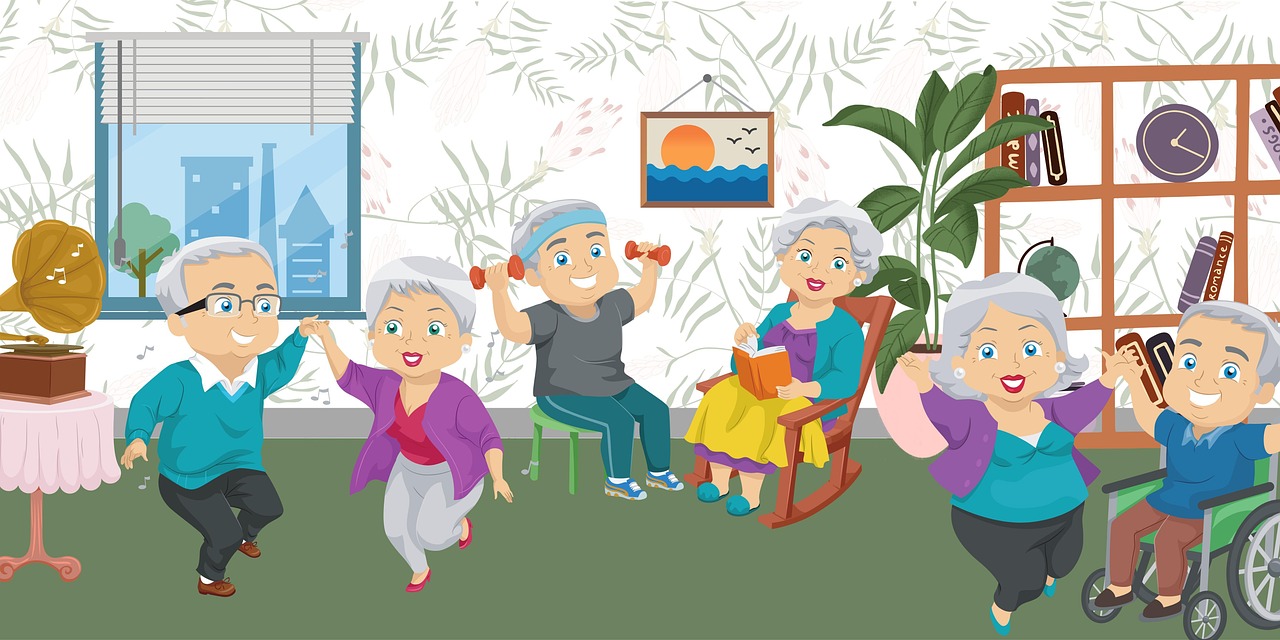
Adaptive dance fitness programs for seniors present an exciting opportunity for enhancing physical health and emotional well-being. Such programs are specifically designed to cater to the unique physical capabilities and needs of older adults. Activities within these programs promote improved flexibility, balance, and coordination through gentle movements that are easily modifiable. Dance can be a joyful experience, fostering social connections among participants and giving seniors a chance to express their creativity. These classes may be structured around various dance styles, including ballroom, line dancing, and contemporary, providing variety and keeping seniors engaged. Instructors play a vital role, as they create a welcoming environment, adapting routines to individual abilities. Due to the varying levels of mobility and energy, classes often incorporate seated or standing options. Furthermore, adaptive dance fitness focuses on rhythmic patterns and engaging music, encouraging participants to move joyfully while following simple choreography. This supportive atmosphere can greatly reduce feelings of isolation, empowering seniors to stay active and connected. Caregivers and families should encourage seniors to partake in these beneficial activities for overall health enhancement and fun social interaction.
Benefits of Adaptive Dance for Seniors
Participating in adaptive dance fitness programs offers numerous benefits for seniors. Firstly, these activities help combat physical stiffness and improve overall mobility, making daily tasks easier to perform. The stimulation provided by rhythmic movement also promotes cardiovascular health and necessary muscle strength, crucial for maintaining independence in older age. Additionally, engaging in dance can enhance cognitive function, as memorization of choreographed routines stimulates various parts of the brain. This mental exercise is vital for memory retention and fighting off cognitive decline associated with aging. Furthermore, the social aspect of these dance programs provides meaningful interactions, encouraging camaraderie and new friendships. It’s a perfect way for seniors to meet others within their community who share similar interests, combating loneliness and isolation. Many participants report increased mood improvements, better self-esteem, and reduced anxiety levels. Moreover, music plays an essential role in adaptive dance, elevating spirits and inviting joyous movements. This emotional uplift is crucial for promoting mental health and overall well-being. Caregivers facilitating these classes should prioritize fun and enjoyment, ensuring that the focus remains on the positive experiences that dance brings.
Adaptive dance fitness programs are not one-size-fits-all; various adaptations ensure inclusivity for all participants. Instructors should assess the functional abilities of each senior, allowing them to tailor movements based on individual needs. For instance, some older adults may require more seated options, while others may participate fully standing. Additionally, offering different dance styles appeals to a wider range of preferences, promoting greater retention in classes. Furthermore, introducing low-impact modifications can benefit seniors with joint pain or arthritis, ensuring they still enjoy the rhythm without strain. Instructors often encourage creative expression, allowing participants to dance freely while exploring their personal style. Equipment such as lightweights or resistance bands can be included to enhance strength training and flexibility. Moreover, the adaptability of these programs allows for gradual progression, helping seniors build confidence in their abilities. Caregivers can also encourage practice at home between sessions, ensuring continual improvement. Music selection likewise plays a pivotal role; familiar tunes often trigger joyful memories, enhancing the dance experience. These adaptations cultivate an inviting atmosphere where seniors feel empowered to participate fully.
The Role of Music and Rhythm
Music serves as a foundational element that enhances the experience of adaptive dance fitness for seniors. The right tempo and rhythm can drastically influence motivation, energy levels, and overall enjoyment during classes. Instructors play a crucial role in curating playlists that resonate with the attendees, often including nostalgic tunes that evoke fond memories. Such selections not only stimulate movements but also foster emotional connections, leading participants to feel uplifted and engaged. Additionally, rhythm can be utilized as a tool to promote synchronization among movements, allowing enthusiasts to feel more cohesive with their dance group. This feeling of unity can significantly enhance the overall atmosphere during sessions. Furthermore, varying the genres of music from jazz to Latin gives participants an array of experiences, making classes vibrant and dynamic. Experimenting with different music styles can also excite the class, encouraging spontaneous expressions of creativity. Ultimately, the consistent incorporation of music fosters a joyful and lively environment, reinforcing the idea that exercising through dance can be both beneficial and enjoyable for seniors.
Incorporating technology into adaptive dance fitness programs opens new horizons for seniors. Virtual classes have surged in popularity, allowing seniors to participate from the comfort of their homes. Online platforms make it easier for instructors to reach a wider audience, thus broadening access to these enriching dance experiences. It enables those with limited mobility or health concerns to still engage with adaptive dance. Additionally, wearable fitness trackers can provide valuable feedback regarding heart rate and calories burned, helping seniors set and reach personal fitness goals. Furthermore, online communities dedicated to adaptive dance create spaces for seniors to share their journeys, experiences, and progress. Such interaction can be encouraging, fostering a sense of belonging and accountability. Instructors can leverage video call technology to offer personalized guidance, helping seniors adjust their movements. This individualized attention ensures that the adaptations remain relevant and beneficial. Overall, combining technology with traditional adaptive dance practices may transform fitness experiences and promote long-lasting benefits, allowing seniors to stay active, engaged, and connected with their peers.
Community Engagement and Support
The success of adaptive dance fitness programs relies heavily on community engagement and support. Local organizations, senior centers, and community health providers play a significant role in facilitating these programs. By fostering partnerships, these institutions can ensure that dance fitness classes uphold a high standard of quality, accessibility, and inclusivity. Community collaboration can lead to a greater outreach, helping to attract a diverse range of participants. Additionally, promoting these programs through social media campaigns encourages seniors and their families to explore dance fitness opportunities together. Moreover, local events celebrating fitness can also highlight the importance of adaptive dance in enhancing the lives of seniors. Workshops can allow families to witness the transformative power of dance, encouraging engagement among generations. Offering free trial classes can draw in curious attendees, sparking interest and building rapport among community members. As each participant becomes more engaged, their feedback can inspire continuous improvement and adaptation of the programs. Ultimately, community involvement creates a sense of belonging and social responsibility, ensuring that seniors feel valued and supported in their dance fitness journeys.
Developing sustainable programs for adaptive dance fitness is crucial to ensure longevity and continuous improvement. The first step in this direction is securing funding through grants, donations, and community partnerships. Establishing a clear structure helps organize classes and assess their effectiveness over time. Feedback from participants should heighten awareness of what works, allowing instructors to refine their methods regularly. Furthermore, regular training sessions for instructors keep them skilled and well-versed in the best practices for senior fitness. Networking with other dance and health organizations can provide invaluable insights, sharing successful strategies and resources. Additionally, creating an ambassador program can empower enthusiastic participants to share their experiences and recruit others. Highlighting personal success stories can inspire further community interest and encourage enrollment in classes. Many seniors may feel hesitant about joining initially, but relatable narratives can touch their hearts. Ultimately, sustainable adaptive dance programs should cultivate an inclusive and enjoyable environment, enhancing the lives of seniors while promoting health and well-being through the joyous art of dance.