
Top 10 Exercises to Prevent Muscle Loss After 50
As individuals reach the age of 50, they experience changes that may lead to muscle loss. This phenomenon is known as sarcopenia and is characterized by the gradual loss of muscle mass, strength, and functionality. To combat this issue effectively, it is crucial to incorporate specific exercises into the routine that strengthens muscles and promotes overall well-being. The top ten exercises listed here are designed not only to prevent muscle loss but also to enhance balance, flexibility, and endurance. It is essential to maintain an active lifestyle that includes these exercises regularly to yield significant results. Engaging in strength training at least two to three times a week can dramatically improve muscle health by stimulating protein synthesis in the muscles. In addition to strength exercises, incorporating cardiovascular activities is also vital, as they support heart health and improve circulation. Nutrition plays a key role, with protein intake being especially important to complement exercise efforts. Together, these elements create a holistic approach to fitness and aging, enabling individuals to retain muscle mass and vitality as they grow older.
1. Squats
Squats are a fundamental exercise that engages multiple muscle groups, including the quadriceps, hamstrings, and glutes. They also help to improve flexibility and balance, making them essential for older adults. To perform a squat, stand with your feet shoulder-width apart, ensuring your weight is distributed evenly. Slowly lower your body as if sitting back into a chair, keeping your chest up and knees behind your toes. Go as low as you can comfortably, then push back up through your heels to return to standing. Aim for three sets of 10 repetitions to build strength over time. For additional challenge, consider using resistance bands or holding light weights. Incorporating squats into your fitness regimen at least two to three times per week can lead to notable improvements in muscular strength and endurance. Consistency is key. Ensure you maintain proper form to minimize the risk of injury. Pair this exercise with proper nutrition, emphasizing protein intake for muscle recovery and growth. Combining squats with other exercises enhances effectiveness, ensuring a more well-rounded approach to combating muscle loss.
Lunges are another essential exercise for individuals over 50, helping to strengthen the lower body. They work major muscle groups like the quadriceps, hamstrings, and glutes. To perform a lunge, stand tall and take a step forward with your right leg, lowering your hips until both knees are bent at 90-degree angles. Ensure your front knee remains behind your toes. Push off the ground with your right foot to return to the starting position. Alternate legs and repeat for three sets of 10 lunges on each side. Incorporating weights can increase intensity, providing an extra challenge. Lunges also enhance stability and balance, important factors in preventing falls. Aim to perform this exercise two to three times weekly alongside your other strength training to maintain and improve muscle mass. Remember to also focus on breathing steadily during the exercise and to engage your core for added stability. Like squats, lunges are versatile; they can easily be performed at home or the gym, requiring minimal equipment. Adding variations like side lunges or reverse lunges can keep the routine exciting while adequately targeting muscles.
3. Push-Ups
Push-ups are an effective upper body workout that builds strength in the chest, shoulders, and triceps. They also engage your core and help improve overall body stability. To perform a classic push-up, start in a high plank position, with your hands slightly wider than shoulder-width apart. Lower your body until your chest nearly touches the floor, keeping your elbows close to your body. Push back up to the starting position. If a standard push-up is too challenging, consider modifying it on your knees or performing wall push-ups. Aim for three sets, completing as many reps as comfortably possible. Regardless of the variation, maintaining proper form is essential for maximizing effectiveness and minimizing injury risk. Gradually increase your repetitions as your strength increases. Combining push-ups with other strength training exercises ensures that all major muscle groups are addressed in your routine. Furthermore, push-ups can be performed anywhere without equipment, making them an incredibly convenient exercise choice. Incorporating push-ups into your weekly regimen allows for continuous muscle engagement, thereby combating age-related muscle loss and promoting a healthier body.
Resistance band exercises are exceptionally helpful for combating sarcopenia and promoting muscle strength. Resistance bands are portable and versatile, allowing for resistance training without excessive weights. They can be used to perform a variety of exercises targeting different muscle groups, such as bicep curls, tricep extensions, and lateral raises. To perform a bicep curl, stand on the band with feet shoulder-width apart and hold the handles, keeping elbows close to your body. Curl your hands toward your shoulders, keeping tension on the band. Slowly lower back down and repeat for three sets of 10-15 repetitions. This exercise not only strengthens the arms but also supports shoulder stability. Resistance bands can be adjusted in terms of resistance, making them suitable for all fitness levels. Regularly incorporating resistance band training can significantly enhance muscular endurance. Combine these with bodyweight exercises for a well-rounded routine. Working against the resistance challenges the muscles, leading to improved strength. Learning various exercises with resistance bands can keep your workouts fresh and engaging while still effectively supporting your fitness goals as you age.
5. Deadlifts
Deadlifts are an integral compound exercise that target various muscle groups, including the legs, back, and core. This exercise promotes functional strength essential for everyday activities. To perform a deadlift, start with your feet hip-width apart, toes slightly pointed outwards. Bend at your hips and knees, keeping your back straight, and grasp a pair of dumbbells or a barbell at floor level. Stand up tall while keeping the weights close to your body by activating your glutes and hamstrings. Lower the weights back to the ground by reversing the movement. Beginners should start with bodyweight or light weights to ensure proper form is maintained. Aim for three sets of 8-10 repetitions. Deadlifts potentially reduce the risk of injury by reinforcing proper lifting form, which is beneficial as one ages. They can be performed in a variety of settings, including at home or in the gym. Combining deadlifts with other exercises reinforces a complete strength training regimen ideal for combating age-related muscle loss effectively. Staying consistent and gradually increasing weights will maximize strength gains.
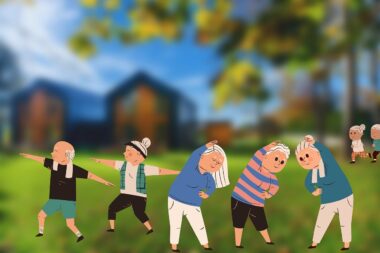
Balance exercises play a vital role in muscle retention and fall prevention for individuals over 50. Exercises such as standing on one leg, heel-to-toe walks, and Tai Chi can significantly improve core stability and leg strength. To perform the one-leg stand, hold onto a chair and lift one leg off the ground, balancing as long as possible before switching sides. Gradually increase balance duration as your strength improves. Engaging in heel-to-toe walks can be done in straight lines, fostering improved balance. Moreover, incorporating Tai Chi enhances coordination, posture, and flexibility. These balance exercises should be performed several times per week to yield meaningful results. They complement muscle-strengthening activities, forming a holistic fitness approach. Improved balance capabilities can reduce the likelihood of falls, promoting independence and confidence through mobility. This is crucial for maintaining overall health. Combining strength-building exercises with balance work can ensure you are caring for both muscle retention and functional movement. This dual focus provides the best chance of mitigating the effects of sarcopenia while promoting a vibrant, active lifestyle well into your later years.
7. Swimming
Swimming is a low-impact, full-body workout that enhances cardiovascular health and strengthens muscles effectively without stressing the joints. It offers a refreshing alternative for those who may find traditional exercises challenging, especially for older adults with arthritis or mobility issues. Engaging in various strokes like freestyle, backstroke, or breaststroke allows for comprehensive muscle engagement. Swimming sessions can be structured as a leisurely pace or an intense workout, depending on individual fitness levels. Aim to swim three times a week for noticeable improvements in strength, endurance, and flexibility. Aqua jogging and water aerobics are also excellent alternatives that provide a cardiovascular boost while targeting muscle development. Water resistance makes exercises effective at building muscle while reducing the injury risk typically associated with weight-bearing exercises. Consistency is necessary, so keeping a swimming routine can lead to substantial benefits across multiple aspects of health. Remember to stay hydrated and nourish your body appropriately to support recovery and growth. Swimming not only addresses muscle loss but enhances mood and mental health, creating a holistic approach to well-being as one ages.