
Creating Support Networks Around Fitness and Mental Health Goals
Building a supportive network for fitness and mental health aspirations is essential for sustainable success. When individuals navigate their mental health challenges, having an encouraging community can empower them to stay focused and engaged. Friends and family play vital roles in promoting healthy habits. Moreover, fitness clubs or mental health organizations can serve as formal support vehicles, providing necessary resources and spaces for introspection and growth. Emphasizing group exercises can foster camaraderie while tackling fitness goals collaboratively, hence reducing feelings of isolation. Engaging in activities such as yoga or team sports helps establish social bonds. Group fitness classes not only work on physical wellness but also build emotional resilience. Establishing shared goals can amplify motivation. Discussing aspirations with others contributes to a sense of accountability, motivating individuals consistently. Individuals feel less alone and more capable when they realize multiple challenges are often shared. Creating spaces, whether online or offline, to connect with others facing similar battles is crucial to forming lasting relationships. Fitness can improve mental health gradually, and sharing these journeys nurtures an environment for healing and growth.
Apart from gathering support from family and friends, joining local fitness communities can also enhance the fitness journey. Participating in social media groups or forums focused on mental well-being can offer people relevant insights. Leveraging platforms such as Facebook, Instagram, or Reddit can provide the opportunity to connect with like-minded individuals. These online spaces often feature personal stories, workout tips, and motivational content, which nurture a positive atmosphere. Many app-based programs also allow users to follow along with fitness challenges and share progress with their peers. Online challenges promote accountability, driving individuals to achieve set goals together. The shared experience creates a sense of belonging, essential for mental well-being. Additionally, engaging in fitness workshops or retreats can present opportunities to deepen connections while acquiring new skills. Group settings that encourage vulnerability facilitate discussions about mental health, thus normalizing such dialogues. It is important to prioritize open communication about emotions and barriers while pursuing fitness goals. Harnessing the power of collective experiences transforms personal journeys into impactful shared narratives. Strengthening connections to fitness communities ultimately leads to increased motivation and growth, enhancing both mental and physical well-being.
The Role of Professional Support
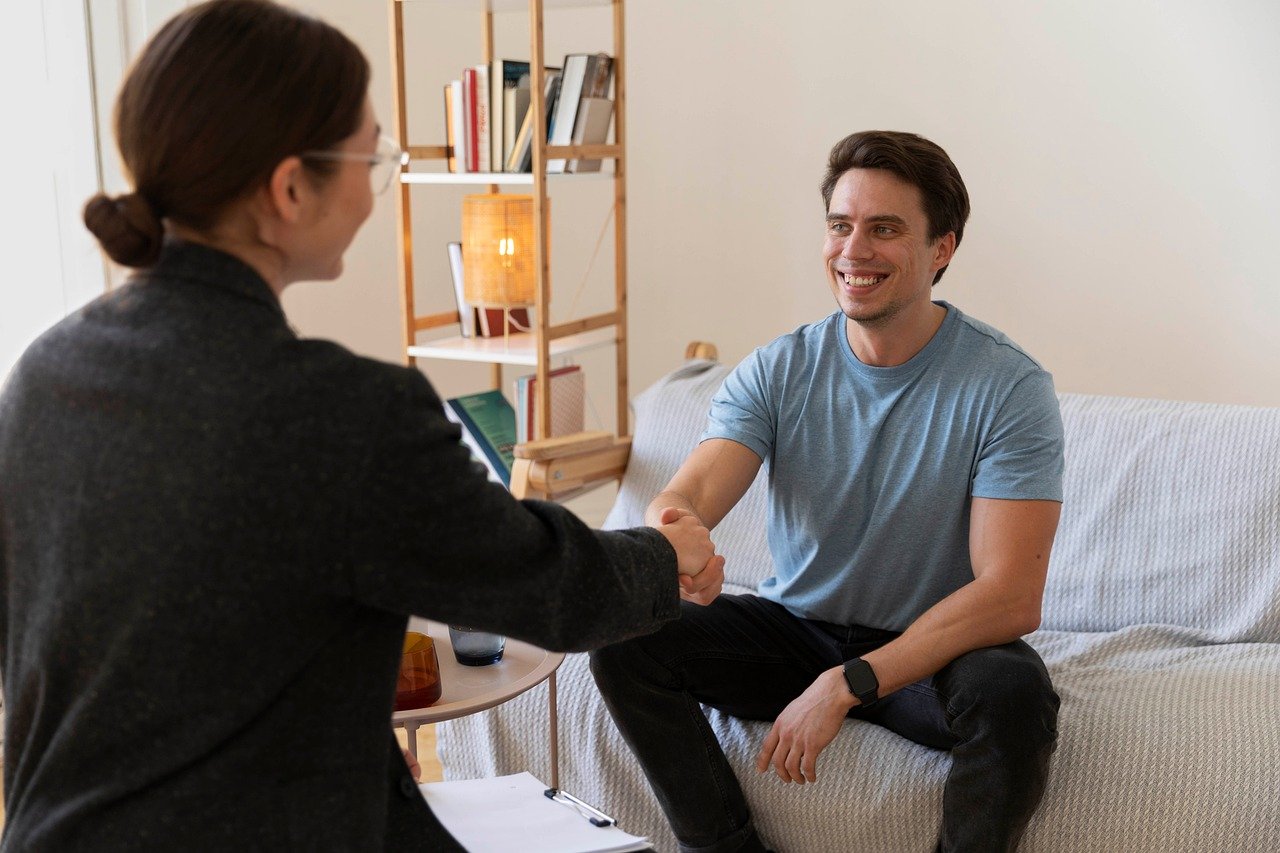
While peer support is invaluable, professional guidance can significantly impact fitness and mental health journeys. Professionals such as personal trainers or therapists bring specialized knowledge to aid individual goals. Recognizing the need for expert advice is a step towards informed decision-making. Trainers can tailor workout regimes that align with both physical fitness and mental health goals, offering versatility in training styles to accommodate various emotional states. Partnering with a mental health professional, especially one who understands fitness, can provide advanced coping strategies. This collaboration fosters a comprehensive improvement approach. They can work together to develop structured plans melding physical activity with psychological well-being goals. Attending workshops that combine fitness education with mental health training can enhance skills for self-care. Furthermore, professionals can contribute to the establishment of community-based initiatives, creating programs that specifically address fitness and mental health intersections. These programs can range from exercise classes focused on mindfulness to support groups combining activities like hiking or running. Ultimately, professional involvement ensures that individuals are equipped with the right tools to navigate fitness alongside their mental health objectives.
Accountability is another crucial element that can be nurtured within support networks. Establishing check-ins with peers or professionals can enhance commitment to fitness and mental health pursuits. Scheduling regular meetings, even virtually, creates additional motivation and encourages individuals to share progress, setbacks, and victories openly. When individuals know that someone else cares about their progress, it bolsters determination and helps maintain focus on personal goals. Moreover, addressing challenges collectively cultivates resilience, making the journey less daunting. Social connections foster competition that inspires individuals to push their limits, enhancing both physical fitness and emotional stability. Peer challenges, friendly contests, or communal events create a fun atmosphere while promoting well-being. Also, attending organized fitness events or charity runs emphasizes a sense of camaraderie, allowing participation in a bonding experience for everyone involved. Establishing benchmarks together not only reinforces personal accountability but also fortifies relationships. Consistent communication about experiences can lead to deeper discussions about mental health, breaking stigmas and fostering a sense of community. Ultimately, accountability engenders motivation while reinforcing the are flowing within supportive elements toward achieving both fitness and mental health goals.
Creating Safe Spaces
An essential aspect of support networks is the establishment of safe spaces for open dialogue. By fostering environments where individuals feel comfortable sharing their experiences, mental health can improve significantly. Safe spaces allow for vulnerability, leading to deeper connections and understanding amongst peers. Activities organized around fitness should promote discussions around mental health struggles without judgment. Regular workshops or support groups can encourage honesty and detail personal journeys. These gatherings not only empower individuals to share their challenges but also strengthen community bonds. Additionally, incorporating guided discussions about mental health into fitness practices can lead to greater awareness. Collaborating with local mental health professionals to create structured programs can impact participants positively. Exercises, combined with mental health education, can emphasize the importance of mental wellness, creating relevant experiences. Individuals might benefit from learning coping strategies while participating in physical activities. Groups should take the initiative to openly discuss vulnerabilities, creating an environment where sharing stories fosters healing. Sharing experiences enhances support found in such spaces, driving home the message that mental health issues are universally shared, so nobody has to traverse the journey alone.
Utilizing technology can further expand the reach of support networks, especially for individuals who may not engage physically. Social media platforms are instrumental in creating vibrant online communities. Virtual fitness groups and forums allow people to connect irrespective of geographical boundaries. Those posting motivational content and fitness tips foster a positive atmosphere among peers, promoting the community’s emotional well-being. Various mobile applications also allow users to track their progress while engaging with others on similar journeys. Virtual accountability partners can significantly enhance motivation and dedication to fitness and mental health goals. These partners can provide encouragement while participating remotely in group activities. Moreover, forums that incorporate mental health discussions alongside fitness tips provide crucial information about available resources. Incorporating discussions about successes and struggles leads to collective growth and understanding. Engaging in interactive workshops can also supplement knowledge, fostering curiosity and a proactive approach. Technology allows individuals to distill valuable lessons about fitness and mental health through videos and podcasts, ensuring personal development continues outside conventional settings. Leveraging these tools effectively creates a broader, more inclusive community focused on well-being and mutual support.
Personalize Your Journey
Each person’s fitness and mental health journey is inherently personal, requiring unique paths and perspectives. Therefore, customizing support networks to match individual needs is vital for success. Each network should respect individual differences, including experiences, emotions, and goals. Creating an environment that celebrates diversity ensures inclusivity, making everyone feel valued and supported. From tailored workout plans to personalized mental health resources, every individual should receive the attention they deserve. Challenges will inevitably arise during anyone’s journey; having personalized support can help mitigate their negative impacts. The balance between physical fitness and mental wellness necessitates a nuanced approach, accommodating various mental health limitations. Encouraging open discussions about progress and struggles will enhance the support systems. Emphasis should be placed on fostering empathy, ensuring everyone feels respected and heard throughout their journey. Organizing community activities can be beneficial as well, allowing individuals to share experiences while participating in collaborative workouts. Attending fitness events or local classes together can foster enjoyment while continuing to focus on both elements. Thus, personalized elements within support networks can nurture growth while enriching individuals’ fitness experiences alongside mental health objectives.
In conclusion, support networks play an essential role in the intersection of fitness and mental health. Individuals benefit tremendously when they create connections with others passionate about similar journeys. The encouragement received from these networks often translates into sustained motivation toward reaching fitness and mental health goals. Through accountability, open dialogue, and the establishment of safe environments, individuals can consistently progress while managing their mental health challenges. Seeking professional support alongside peer connections further enhances resilience throughout one’s journey. Sharing victories and struggles equally allows everyone in these networks to develop a sense of community and interconnectedness. Utilizing technology and social media can further enhance the reach of these networks, amplifying their potential impact. Moreover, emphasizing personalization ensures each journey is genuine, allowing all individuals to embrace their unique paths toward well-being. Focused, collective efforts will empower individuals not just to reach their fitness goals but also thrive alongside their mental health quests. As participants gain confidence and connections, they will understand that pursuing fitness not just enriches lives physically but contributes to a deeper emotional connection with themselves and others.