
The Use of Foam Rolling in Myofascial Release and Recovery
Foam rolling has emerged as a popular technique within the fitness industry for promoting recovery and enhancing performance. This method primarily focuses on myofascial release, which aids in relieving muscle soreness and tightness. Foam rollers are designed to apply direct pressure to specific areas of the body, facilitating the release of muscular tension and improving flexibility. Athletes and fitness enthusiasts often turn to foam rolling to address muscle pain, as it mimics a deep tissue massage, targeting the fascia and underlying muscle tissues. By using a foam roller post-workout, individuals can not only alleviate discomfort but also enhance their range of motion. Various studies have highlighted the effectiveness of foam rolling interventions in decreasing soreness after intense workout sessions. Additionally, implementing this technique into a regular fitness regimen may prevent injuries related to muscle tightness. The portability and affordability of foam rollers make them accessible for both gym-goers and home users, providing a convenient solution for muscle care. Understanding how to utilize this tool effectively can contribute significantly to an individual’s recovery process, allowing them to return to training more swiftly and efficiently.
The science behind foam rolling and its impact on recovery is rooted in its ability to stimulate blood flow and accelerate the healing process of damaged tissues. By rolling over specific muscle groups, individuals can enhance circulation, which helps deliver oxygen and nutrients critical for muscle repair. Increased blood flow also assists in flushing out metabolic waste, such as lactic acid, that accumulates during strenuous exertion. Furthermore, foam rolling encourages the release of endorphins, which aids in pain relief and promotes overall well-being. Its self-myofascial release properties allow individuals to efficiently manage their muscle health without requiring professional assistance frequently. For optimal results, it is essential to incorporate foam rolling into a comprehensive cool-down routine after workouts, ensuring that muscles are adequately addressed. Athletes can benefit immensely from incorporating this recovery technique into their training protocols. By investing just a few minutes daily in foam rolling, individuals can maintain muscle flexibility, reduce tension, and potentially improve their athletic performance. Various techniques can be employed using foam rollers, each tailored to different muscle groups, making it a versatile tool for everyone, regardless of fitness levels.
Techniques for Effective Foam Rolling
To maximize the benefits of foam rolling, it is crucial to understand the various techniques and methods of application. The basic approach involves rolling the targeted muscle group over the foam roller slowly and applying pressure until tension is released. Starting at one end of the muscle, users should slowly roll towards the other end, spending extra time on particularly sore or tight spots. Another effective technique is to hold the roller in a static position on a trigger point for 20 to 30 seconds. This allows for deeper penetration into the muscle fibers, promoting greater release. It’s essential to focus on large muscle groups, such as the quadriceps, hamstrings, and back, as these areas commonly harbor tension. Additionally, the use of body position can enhance the effectiveness of foam rolling; angling the body allows for deeper pressure application. Each session should ideally last for about 10 to 15 minutes, depending on personal tolerance and muscle tightness. Accountability can also be beneficial, so consider incorporating foam rolling into partnered sessions for motivation and assistance.
In addition to proper techniques, one must also consider the frequency of foam rolling sessions to achieve optimal recovery results. Integrating foam rolling into both pre and post-workout routines can yield significant advantages. While pre-workout rolling can help warm up muscles and enhance mobility, post-workout rolling serves to facilitate recovery. Aim for a routine that includes foam rolling at least three times a week to promote muscle maintenance and flexibility. The timing between workouts may also influence the effectiveness of recovery; shorter intervals between high-intensity sessions may require more focused recovery strategies. Listening to your body during foam rolling is vital; if pain persists, it may indicate a need for rest or professional assessment. Variations in foam roller density can cater to individual needs as those with high-density rollers may experience deeper tissue release. Ultimately, becoming attuned to one’s body through consistent practice can help one learn which techniques yield the best results. Regular foam rolling can complement one’s fitness journey, contributing significantly to overall longevity in the sport or fitness pursuit.
Foam Rolling and Injury Prevention
A significant advantage of foam rolling in the fitness industry is its potential for injury prevention. By consistently implementing foam rolling routines, individuals may reduce their risk of injuries associated with repetitive motion and muscle imbalances. Regular practice keeps muscles pliable and promotes proper positioning, which is critical in maintaining joint health. Additionally, foam rolling plays a crucial role in breaking down scar tissue and adhesions that can develop from past injuries or overuse. Understanding the relationship between muscle tightness and injury occurrence emphasizes the need for effective recovery strategies; foam rolling serves as a proactive approach to enable athletic longevity. This technique aids in preparing muscles for activity, enhancing both performance and resilience during intense physical endeavors. Notably, research correlates foam rolling with decreased muscle pain following workouts; hence, it may discourage individuals from overtraining due to discomfort. Emphasizing proper warm-up, cool-down, and recovery techniques is essential for athletes aiming to optimize their training efforts. Ultimately, proactive muscle care through foam rolling can lead to long-term benefits, fostering a sustainable fitness lifestyle.
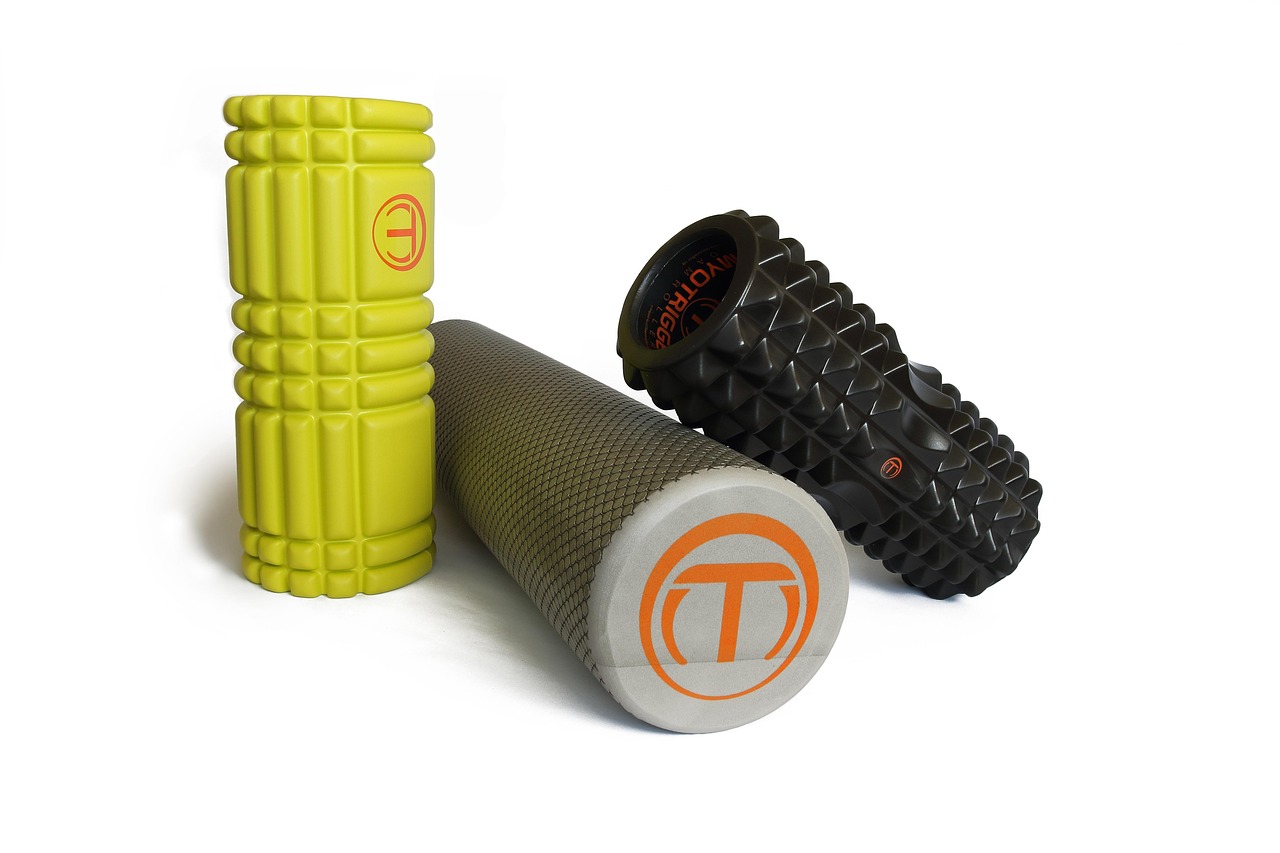
Understanding the various types of foam rollers available in the market can also enhance the foam rolling experience, and choosing the right one depends on individual needs. Standard foam rollers offer a firmer surface for general usage, while textured rollers have ridges that mimic the hands of a massage therapist, providing a deeper massage. For those seeking specific muscle release, there are specialized rollers or balls that target hard-to-reach areas. Personal preference plays a critical role in selecting the ideal foam roller; experimenting with different options may provide insights into what feels best for individual recovery needs. Make sure to maintain the roller, inspect it regularly for any signs of wear, and replace it as needed for guaranteed effectiveness. Incorporating foam rolling into daily self-care routines can heighten the practice of mindfulness while enhancing physical recovery. This holistic approach to recovery encompasses both physical and mental facets of fitness, transforming how individuals view their self-management. As foam rolling continues to gain momentum within the fitness industry, adopting this technique could significantly improve overall well-being across diverse populations.
The Future of Foam Rolling in the Fitness Industry
Looking ahead, foam rolling is set to remain a pivotal component of recovery strategies influencing the fitness industry. With increasing awareness regarding the importance of self-care in athletic performance, foam rolling will likely find its way into standardized training protocols. The potential for innovation in foam roller design and functionality can further enhance user experiences, culminating in customized fitness solutions. This progression aligns with the fitness industry’s growing trend towards individualized approaches to health and wellness. As technology integrates with fitness, apps and wearable devices may begin to incorporate foam rolling into recovery plans, providing users with real-time feedback and training strategies. Such advancements will enable practitioners to develop targeted recovery plans, optimizing their performance capabilities. Continuous education regarding recovery techniques will empower fitness professionals to advocate effectively for the inclusion of foam rolling in their programs. The crossover appeal that foam rolling holds for both elite athletes and recreational enthusiasts illustrates its broad relevance within the fitness community. Consequently, the enduring value placed on effective recovery methodologies ensures foam rolling will maintain its significance for years to come.
In conclusion, foam rolling serves as a powerful tool for recovery and myofascial release within the fitness industry. Its ability to alleviate muscle soreness, enhance circulation, and promote flexibility signifies its role in maintaining an athletic lifestyle. By understanding the techniques and incorporating a regular foam rolling routine, individuals can maximize their recovery potential. Emphasizing the relationship between recovery and performance highlights the need to prioritize self-care strategies in athletic training. As foam rolling continues to evolve within the fitness domain, a commitment to exploring advanced methodologies will pave the way for innovation. Engaging with this technique not only supports physical health but also fosters a culture of mindfulness among fitness enthusiasts. While self-care practices can often be overlooked, foam rolling emerges as an accessible solution that anyone can integrate. The simplicity of foam rolling offers a low-barrier entry into self-myofascial release, making it an edge for those committed to their fitness journeys. As more individuals acknowledge the benefits of foam rolling, it is poised to become a standard practice in recovery processes, yielding positive outcomes for all who engage with it.