
Hydration Strategies for Young Athletes Across Different Climates
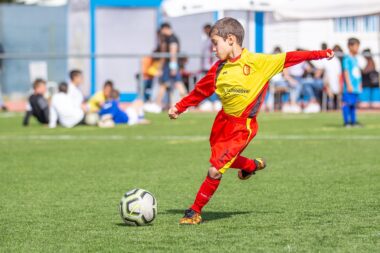
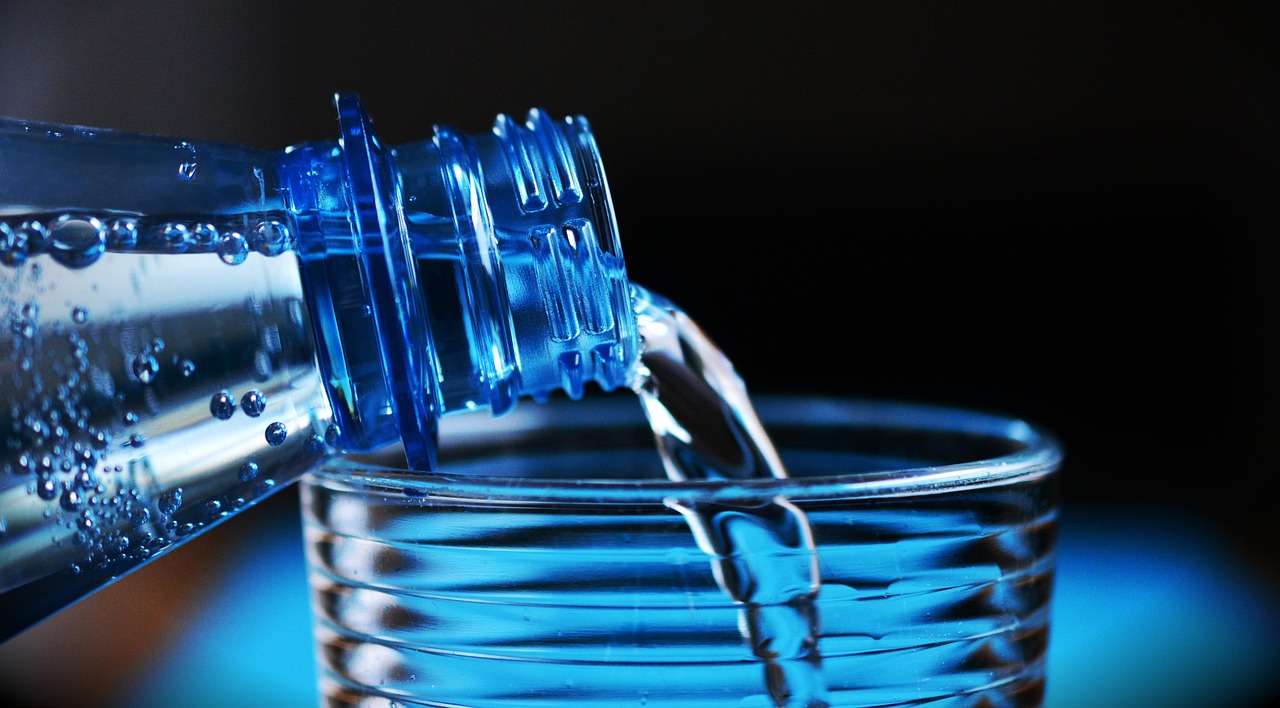
Ensuring adequate hydration for young athletes is crucial, particularly as their bodies adapt to various climates. In hot weather, young athletes sweat more, resulting in faster fluid loss that must be replenished to prevent dehydration. They should drink water before, during, and after activities. Establishing hydration habits can significantly affect their performance and overall health. This includes educating them about thirst cues and the importance of hydration. Parents and coaches should monitor fluid intake to keep up with the demands of physical exertion, especially during outdoor training sessions. Additionally, using electrolyte drinks may be beneficial during prolonged exercise, helping to replace essential minerals lost through sweat. Encourage athletes to experiment with their hydration routines to discover what works best for them, considering personal preference and the environmental conditions they face. Furthermore, always have a hydration menu available, including appealing options like flavored water or hydration packs, to ensure young athletes stay motivated to hydrate continually. Keep in mind, consistent hydration practices are key to helping young athletes thrive. Make hydration strategies part of their training routine for optimal performance and health, even in diverse climates.
Understanding Hydration Needs
Understanding hydration needs varies with climate, age, and intensity of activity. For children and teens participating in sports, drinking adequate water is essential. They need approximately half their body weight in ounces daily, raising this amount when engaging in high-intensity activities. In warm climates, fluid loss increases, necessitating hydration strategies tailored to the environment. Young athletes should primary focus on water, as it effectively replenishes fluids lost through sweat. However, in extreme heat, electrolyte solutions can help maintain electrolyte balance. Encourage athletes to sip small amounts regularly rather than consuming large quantities infrequently. This will improve absorption and encourage better hydration habits. Coaches can lead by example, frequently demonstrating good hydration practices during practices and games. Incorporating scheduled hydration breaks during training sessions also supports athletes in maintaining fluid levels. Alongside physical activity, diet can play a significant role in hydration. Encourage a balanced diet rich in fruits and vegetables, which contain high water content. Foods like watermelon, cucumbers, and oranges can contribute to hydration the athlete achieves daily. Maintaining this understanding can lead to optimizing hydration and performance in young athletes across various climates.
Proper hydration can differ substantially between humid and dry climates, requiring different approaches. In humid environments, sweat rates can be higher, causing greater fluid depletion. Young athletes should often drink water during breaks to mitigate dehydration. They may not feel thirsty, so having a scheduled fluid intake during practices becomes essential. On the other hand, in dry climates, hydration loss may not be as evident, but it can be just as severe. In these regions, athletes should consume more fluids before workouts because the body loses moisture quickly without symptom onset. A good strategy includes keeping a water bottle within reach at all times during practice. This encourages frequent sipping, thereby ensuring that hydration levels remain optimal throughout the day. Additionally, it can be beneficial to consume fluids containing electrolytes or essential minerals after rigorous activities to help recover lost nutrients. Coaches should educate young athletes on listening to their body signals regarding hydration. Discussing hydration openly can help establish a culture of prioritizing this crucial aspect in sports, leading to better overall health and athletic performance outcomes regardless of location.
Encouraging Hydration Awareness
Encouraging hydration awareness among young athletes can significantly enhance their performance. Simple strategies can promote better hydration habits, such as employing visual reminders. Use labeled water bottles, setting hydration goals, or implementing apps that track fluid intake throughout the day. Coaches and parents play a vital role in instilling these habits. Regular education on the signs of dehydration, such as dry mouth or fatigue, empowers young athletes to take charge of their hydration. Empowering them to learn about the consequences of dehydration fosters a greater connection to their health. Setting examples by prioritizing their hydration sets the foundation for athletes to follow. Engaging in discussions about hydration can also help normalize the practice, reinforcing its importance among peers. Consider creating a fun hydration challenge within a team. Reward consistency or increased water intake to establish a positive environment around hydration. Collaborating with local nutritionists or sports diets can offer further education opportunities, ensuring young athletes comprehend their hydration needs. This combination of strategies will promote a culture of conscious hydration awareness critical to performance and long-term well-being.
When participating in sports camps or events, accessibility to hydration stations can significantly impact young athletes’ intake. Ensure water stations are easily visible and reachable during activities, allowing frequent fluid consumption. Providing individual water bottles can encourage personal responsibility for hydration. A well-structured hydration schedule should be implemented, particularly during tournaments where athletes may be involved in back-to-back games. Frequent reminders via coaches or teammates can motivate athletes to stay hydrated. Post-event hydration strategies can use a combination of water and flavored electrolyte drinks to help restore balance. Sharing hydration tips on social media can create communal awareness around proper practices within local sports communities. Regular updates about hydration education can enhance overall engagement. Further, parents and teammates discussing the importance of hydration can make sure that young athletes prioritize fluid intake across various activities. Implementing educational workshops on hydration can also align parents, coaches, and athletes toward common goals. The collective effort reinforces the importance of hydration and empowers young athletes to view it as an integral part of their training and competition experience.
Seasonal Hydration Considerations
Seasonal hydration considerations are vital in optimizing young athletes’ performance. As weather conditions change, the hydration strategies they employ need to adapt correspondingly. During warm summer months, when temperatures rise, athletes must significantly increase their fluid intake to match elevated perspiration levels. Using ice-cold fluids can help cool core temperatures and promote a faster recovery. However, in colder months, athletes might neglect hydration as they may not feel thirsty. It is crucial to maintain hydration levels even in winter, as dry air may contribute to fluid loss, even if it isn’t noticeable. Encourage the consumption of warm fluids such as herbal teas or warm water, which can help keep hydration levels optimal in colder temperatures. In all seasons, maintaining hydration before a workout is essential to optimize performance. Hydration strategies that consider seasonality will help enhance young athletes’ endurance across varying conditions. Foster an environment that discusses seasonal habits openly to reinforce the value of hydration in sports. Collaborating with health professionals further reinforces the understanding of changing hydration needs based on seasonal influences, ensuring young athletes excel regardless of the climate.
A variety of hydration methods can enhance a young athlete’s experience. Including fun and engaging strategies like themed hydration challenges can uplift motivation. For example, host contests for the most creative water bottle designs or hydration goals achieved by team members. This can foster camaraderie and build a supportive environment. Make sure to integrate educational sessions before or after sports practices or games focusing on proper hydration. It’s beneficial to introduce young athletes to fruit-infused waters or sports drinks, which can help mask the taste of plain water and make hydration more exciting. Exploring different flavors can also encourage them to experiment with their choices. Adjusting hydration strategies based on individual preferences is imperative to finding the best approach. Involving athletes in setting personal hydration plans fosters ownership of their health and wellness. Challenge teams to track their fluid intake collaboratively; this builds mutual accountability for staying hydrated. In summarizing varied and engaging methods, better hydration outcomes can motivate young athletes further, enhancing overall performance in practice and competition while making hydrating a fun aspect of athletic training.