
Scheduling Your Pilates Workouts for Optimal Postpartum Results
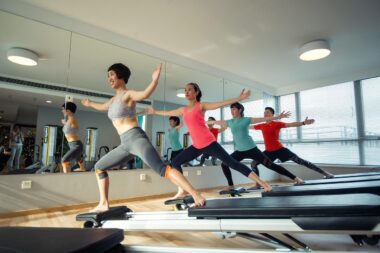
After giving birth, it can be challenging to find time for fitness amidst the demands of caring for a newborn. However, scheduling your Pilates workouts can significantly enhance your postpartum recovery and well-being. Start by reflecting on your daily routines and identifying potential time slots for exercise. Early mornings might work best, as many new parents experience quiet time before the child wakes. Alternatively, late evenings could provide a few moments for yourself after putting the baby to sleep. Establish a consistent schedule that aligns with your family’s needs and your energy levels. Consistency is essential for any fitness routine, especially after childbirth. Additionally, make use of short, effective workouts, which might be more manageable. Effective Pilates sessions can be as brief as 20 to 30 minutes, allowing for more flexibility. Consider enrolling in a local class or participating in online sessions that cater specifically to postpartum recovery. This way, you can maintain accountability while enjoying the benefits of structured workouts. By prioritizing your schedule and sticking to it, you will be on your way to reclaiming your strength and wellness.
A crucial aspect of scheduling your Pilates workouts involves setting realistic and achievable goals. After childbirth, it’s important to be patient and to focus on gentle movements that promote healing and stability. Understand that your body has gone through significant changes, and pushing too hard too quickly can lead to injury. Evaluate your current fitness level and decide on specific, measurable outcomes that you would like to achieve. For instance, aim for mastering essential core-strengthening exercises such as the pelvic tilt or bridge. Make small, incremental goals to improve your flexibility and strength over time. A good idea is to keep a journal or a digital diary documenting your workouts and progress. This way, you will be motivated to stick with your fitness plan. Remember that every bit of movement counts, from gentle stretches to more robust Pilates routines. Stay positive and flexible with your expectations. Make adjustments as needed based on how you feel each day. Progress will come, but it’s essential to respect your body’s limits during recovery.
Incorporating Family Time into Your Workouts
Another great strategy for scheduling Pilates workouts is to involve your family. Exercising while engaging your little one can turn your fitness routine into a delightful family experience. You might lay down a mat on the floor while your baby plays nearby, incorporating them into stretches and movements if they are old enough. For example, during certain Pilates positions, you can try holding them or allowing them to play on the mat next to you. Additionally, enlist supportive family members to watch your child during workouts while you focus on your Pilates. This can create a win-win situation: you get dedicated exercise time, and they bond with the baby. Consider selecting workout schedules that align with your partner’s availability. Sharing parenting responsibilities can free up some valuable hours for both partners to engage in self-care activities. Remember to communicate your needs and schedule clearly. Making family fitness sessions more of a routine can provide motivation for regularly returning to your Pilates practice while nourishing relationships.
Setting a comfortable workout environment is vital for enjoying Pilates postpartum. The atmosphere around you can heavily influence your motivation and ability to concentrate. Aim to create a space conducive to relaxation and focus, free of distractions. Lighting can play a key role in setting the right mood; natural light often provides a calming ambiance. You can also use calming scents, such as essential oils or candles, to enhance your experience. Instrumental music or soothing playlists can energize your sessions and help you maintain rhythm during exercises. Keep all your Pilates equipment organized and readily accessible to eliminate unnecessary hurdles to starting your workout. Use quality mats, props, and instructional resources that motivate you. Design the room in a way you enjoy visiting, as this positive association can encourage frequent practice. Personal touches, such as a motivational quote on the wall or photos of loved ones, can further uplift your spirit as you work out. Prioritize your mental space as it plays a crucial role in achieving optimal results post-pregnancy.
The Importance of Rest and Recovery
While scheduling is important, you must also prioritize rest and recovery as part of your Pilates regimen. After childbirth, your body is adapting and healing, making recovery vital for overall health. Plan your workouts around your natural energy and fatigue levels. Some days, you might feel like a full workout, while other days demand gentle stretches and breathwork instead. Balancing workout days with rest days allows your muscles to recover and prevents burnout. Incorporate shorter sessions during the week and reserve one or two days solely for rest. Consider these rest days opportunities for self-care, which could include meditation, reading, or leisurely walks. Sleep plays an essential role in recovery as well, so maximize your rest when your baby sleeps. Nap whenever possible, allowing your body to recharge fully. Engaging in restorative activities outside of Pilates is crucial too; this holistic approach contributes to emotional well-being. By treating your body with kindness through rest, you will ultimately enhance the efficiency of your workouts.
As you advance in your postpartum Pilates journey, adapting your routine to your evolving needs is essential. Monitor how you feel and remain flexible with your scheduling. Some days, energy levels might be high, inviting longer or more challenging sessions, while other days might require gentler practices. Adjusting your intensity based on fluctuating energy can help maintain motivation and enjoyment. Consider progressively increasing the duration of your workouts or incorporating new, advanced exercises as your strength improves. Be mindful, though, of signs indicating that you might need additional rest or slower practices. Overall, recovery from childbirth is a dynamic process, and your fitness routine should reflect that. Additionally, pay attention to your body’s signaling on recovery days. Focus on gentle movements during these times, perhaps engaging in stretches or restorative Pilates methods that encourage relaxation. Keeping it dynamic will help sustain a long-term engagement in your practice. Celebrate small milestones in your journey, allowing yourself to enjoy the remarkable transformation your body is undergoing. This is a journey toward strength and health.
Staying Motivated with Support
Lastly, remember the significance of support and community in achieving your postpartum fitness goals. Connecting with other moms who are also working on their Pilates journey can provide motivation and encouragement. Look for local classes or online forums where new moms gather to exchange tips, experiences, and successes. These connections can inspire you to maintain accountability and keep up with your planned workouts. Moreover, consider asking friends or family members to join you in your practice. Exercising together can make your sessions more enjoyable, and a workout buddy often helps keep you accountable. You may also join social media groups focused on postpartum fitness, where members share their journeys, challenges, and triumphs. Tracking progress and sharing achievements can be incredibly uplifting. Additionally, seek out professional classes geared towards postpartum recovery, which can provide structure and specialized guidance. Building a support network will undoubtedly enhance your overall experience while you work on scheduling Pilates workouts. Celebrate each other’s accomplishments as you embark on a journey toward greater health and wellness.
Ultimately, establishing a productive Pilates schedule after childbirth is about finding balance and fostering a supportive environment for yourself. Prioritizing your workouts while respecting your body’s needs can lead to successful recovery outcomes. It’s crucial to personalize your approach and ensure you engage in enjoyable activities and practices that bring joy and satisfaction into your life. As you enhance your routine, remember that practice doesn’t need to be overwhelming; shorter workouts can be just as effective. Your postpartum journey is your own, and it’s okay to embrace it at your own pace. Respecting your postpartum body is vital to your success, and being adaptable will help you achieve optimal results. Stay connected with supportive communities, and always listen to your body while keeping your goals in sight. Over time, your dedication to regular Pilates workouts will yield positive changes in your body and mindset. Celebrate each step you take toward personal fitness, striving for growth rather than perfection. With careful scheduling and a compassionate mindset, you’ll find joy in your postpartum recovery journey.