
Planning Travel and Race Recovery: Post-Triathlon Tips
After completing a challenging triathlon, remember the importance of recovery. Proper post-event recovery can significantly enhance your performance in future races. Start with hydration; drink plenty of fluids that replace lost electrolytes. Consuming snacks rich in proteins and carbs helps repair muscle tissues and replenish energy stores. Include foods like granola bars, bananas, or energy gels within the first hour after competing. When your body signals tiredness, prioritize rest. Taking at least two days off from rigorous training allows muscles to heal and rebuild. Gentle stretching or yoga can prevent stiffness and improve flexibility. Overdoing it can lead to injuries or burnout. Planning your travels post-triathlon can also support your recovery. Ensure your accommodations are comfortable and close to race amenities. Factor in travel time and schedule breaks to avoid fatigue. A good night’s sleep before and after traveling is paramount for effective recovery. Lastly, keep track of how your body feels throughout the process. Monitor any lingering soreness and adjust your activities accordingly to aid in quicker recovery for your next thrilling challenge.
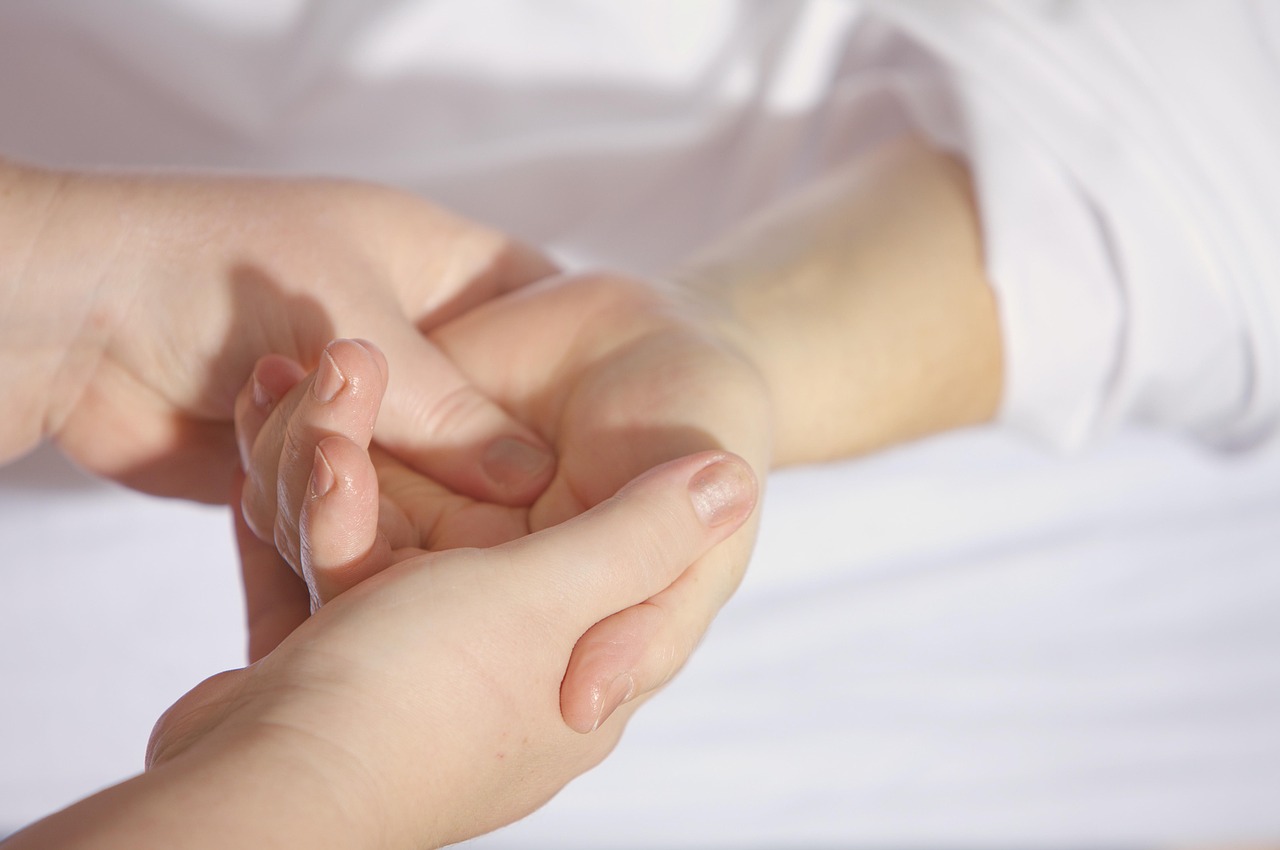
Taking time on recovery ensures you can effectively bounce back. Emphasize listening to your body during this period. If you feel excessively sore, consider alternative methods like massage therapy or foam rolling. Both can alleviate muscle tightness and promote blood circulation, which assists in recovery. Consult with a physiotherapist if pain persists, as they can provide targeted advice and strategies tailored to your needs. Many athletes find that incorporating a scheduled routine for recovery is beneficial. For instance, scheduling a light swim or gentle bike ride can maintain fitness while allowing the body to recover. Also, ensure your post-race nutrition plan includes plenty of fruits and vegetables packed with vitamins and minerals. These micronutrients can help fight inflammation in your muscles. If you’re feeling mentally drained after the event, consider engaging in relaxing activities such as hiking in nature or enjoying a favorite film. This mental break can be just as crucial as physical recovery. Also, connect with fellow athletes to share experiences; it enhances motivation. Engaging in conversations can help in the recovery process, offering emotional and mental support.
Focus on Nutrition for Optimal Recovery
Your nutritional strategy for recovery can have a substantial impact. Consider consuming meals that predominantly feature lean proteins, whole grains, and healthy fats. Proteins from chicken or legumes promote muscle repair, while whole grains provide sustained energy. Healthy fats can be sourced from nuts, seeds, or fish, aiding in inflammation reduction. Aim to consume a balanced meal within two hours post-race to effectively kickstart the muscle recovery process. This window is crucial for maximizing glycogen restoration, which is essential for preparing for future races. Additionally, consider meal prepping for your recovery days. Preparing nutritious meals ahead of time can eliminate the temptation to choose less healthy options when fatigued. Incorporate hydration-rich foods, like watermelon or cucumbers, to help replenish lost fluids. It’s also important to avoid overly processed foods that could hinder your recovery. Moderation is key in treating yourself post-race, but prioritize wholesome meals during recovery. Supplements can sometimes aid recovery, but always consult with a health expert before adding them to your regimen. Remember, the right diet helps set you up for optimal performance in your future races.
Another vital aspect of post-triathlon recovery is to establish a balanced training schedule going forward. As you set your sights on upcoming events, gradually ease back into routines instead of jumping straight into rigorous training. Listen closely to what your body is saying; transitioning too quickly can lead to setbacks, including fatigue or injury. Implement a well-structured plan that alternates between intense workouts and rest days. This strategy allows your body sufficient time to adapt and recover effectively. Moreover, journaling your recovery journey can be incredibly beneficial. Document how you feel each day regarding physical soreness and mental readiness. This insight can be valuable when planning future training cycles and understanding your recovery patterns. Collaborate with coaches or fellow athletes to tweak your plans based on your documented experiences. Also, encourage self-care routines during this time. Activities like meditation or reading can keep your mind in a good place. Overall, thorough recovery is not just physical; it’s a combination of mind and body that prepares you for thrilling triathlons ahead.
Incorporating Rest Days into Your Schedule
Rest days are crucial for successful recovery after a triathlon. Ideally, allot specific days fully dedicated to rest, allowing your body to recharge. Mental fatigue also accumulates during intense training and races, making these rest days equally important for maintaining a strong mindset. Engage in recreational activities that aren’t strenuous, such as walking or light yoga, promoting physical and mental rest. Avoid screens during downtime; instead, indulge in hobbies or spend time with loved ones. Prioritize restorative sleep to enhance recovery. Aim to achieve at least seven to nine hours per night, helping your body repair intensively while you rest. Power naps can also boost your alertness if you feel sluggish during the day. If you feel torn about taking a rest day, remind yourself that recovery is as vital as training. Your body needs time to adapt to and absorb all the effort you have put into your training plan. Add variety during rest days by trying new activities, like hiking or swimming casually, to keep you engaged and inspired going forward.
As your recovery period winds down, begin planning your next training phase. Utilize insights gained from your post-race reflections to enhance your training focus. Set realistic short-term and long-term goals. For example, determine if endurance, speed, or technique needs attention. Break your goals into actionable steps to maintain motivation. Incorporate cross-training activities such as cycling or swimming non-intensively, allowing you to build diverse muscular fitness while giving specific muscle groups a breather. Importantly, assess your equipment through this recovery period. Ensure your bike, shoes, and any other gear are in top condition so you can ride efficiently come race time. Think about updating equipment that may be outdated or unsuitable for your training objectives. Also, tap into community resources or forums centered on triathlon where you can share support and advice post-race. Networking with fellow triathletes can lead to new training partners or insightful tips. Engaging with others can also inspire and help hold you accountable for the upcoming goals you set for your training, combining social support with personal growth moving forward.
Conclusion: Loving the Process of Recovery
Overall, successful triathlon recovery is about balance, consistency, and personal care. Embrace this crucial aspect of your sports journey to enhance performance and enjoyment of your chosen passion. By planning your recovery thoughtfully, you can ensure your body remains healthy while resetting your mind for new horizons. Always remember that recovery is not a setback or wasted time; it is a vital part of the triathlon training process. Fostering habits such as adequate hydration, nutrition, and rest can create a positive cycle of training and recovery. Involve family and friends in your journey; their encouragement can facilitate a supportive environment that promotes recovery. By fostering a love for recovery, you open doors to new achievement levels, making you a stronger athlete. So as you’re planning post-triathlon activities, celebrate the journey you have taken. Appreciate your accomplishment and what you’ve learned along the way. Ultimately, viewing recovery as a part of the adventure will lead you to love every stage of your athletic endeavors, allowing you to excel in events to come.