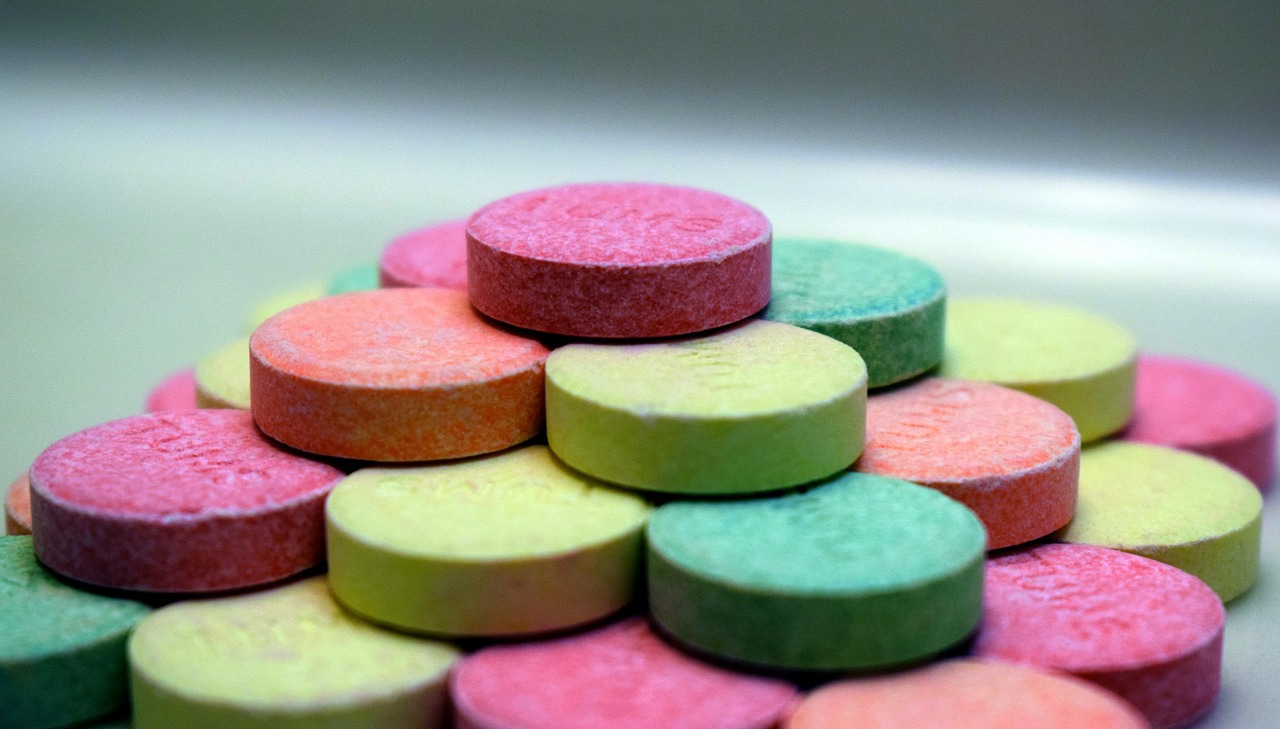

Future Trends in Chewable Vitamin Supplements
As the health and wellness market evolves, chewable vitamin supplements are gaining tremendous traction. Several trends are shaping their future, driven by consumer preferences and advancements in formulation technology. First, the demand for convenience and taste is influencing product innovation. Buyers, particularly children and busy adults, seek vitamins that are easy to consume and enjoyable. Formulas incorporating flavorful ingredients like fruit extracts before or after meals are more appealing. Manufacturers are exploring sweeteners that are natural, reducing sugar content while retaining palatability. Second, the increasing focus on personalized nutrition is transforming the landscape for chewable vitamins. Consumers are leaning towards tailor-made supplements that align with their specific health needs. Advanced data analytics and AI-powered platforms allow for more customized vitamin offerings. Additionally, transparency in sourcing and ingredient safety is becoming paramount. Shoppers feel empowered when they can trace back the origins of ingredients and verify their quality and efficacy. Moreover, sustainability has emerged as a critical consideration for consumers. Brands utilizing eco-friendly materials and prioritizing sustainability in their production processes are likely to thrive in this space, driving market growth.
Technological Innovations in Chewable Vitamins
Technological advancements are significantly impacting the development of chewable vitamin supplements. Innovations, such as enhanced bioavailability, ensure that nutrients are effectively absorbed by the body. Manufacturers are focusing on creating formulations that increase the solubility of vitamins. This is crucial because better solubility leads to improved nutrient absorption, promoting health benefits. Technologies such as microencapsulation are being employed to protect sensitive vitamins from degradation. This method shields vitamins from oxygen and moisture, ensuring they retain potency throughout their shelf life. Furthermore, combining vitamins with functional ingredients like probiotics or adaptogens is a growing trend, creating products that offer multi-faceted health benefits. Consumer education is also increasingly facilitated through technology. Mobile apps are emerging to assist users in tracking their nutrient intake, emphasizing the benefits of specific chewable vitamins. Access to this information clarifies how supplements can fit into individual lifestyles and dietary preferences. It’s also worth noting that the growth of online health communities fosters sharing personal experiences and recommendations regarding chewable vitamins. This digital word-of-mouth plays a substantial role in influencing consumer decisions, building trust in specific brands and formulations.
The future of chewable vitamins is being shaped by the rise of clean-label products. Consumers are seeking supplements without artificial flavors, colors, or preservatives, emphasizing the need for natural ingredients. This trend corresponds with a more significant shift towards holistic health practices that prioritize whole foods and natural supplements. Many brands are responding by reformulating and enhancing their labels to reflect these cleaner standards. Transparency regarding ingredient sourcing and sustainability practices is also becoming essential amid growing consumer awareness. The trend toward organic ingredients is gaining momentum as health-conscious individuals are willing to invest in products perceived as less processed. Moreover, taste plays a vital role in the success of chewable vitamins. Consumers often report a preference for supplements that not only provide health benefits but also offer excellent taste. Brands must adopt innovative strategies for flavor enhancement, using ingredients that align with health-conscious choices. The importance of target demographic considerations cannot be understated. Chewable vitamins marketed toward children can utilize fun shapes and flavors, while those for adults may focus more on subtle tastes and functional health benefits. Innovatively catering to these diverse groups can drive market expansion.
Marketing Strategies in Chewable Vitamins
Effective marketing plays a crucial role in the ongoing evolution of chewable vitamin supplements. Engaging with consumers through digital platforms allows brands to establish a strong presence and foster community. Social media, particularly, has emerged as a vital communication channel for marketers to connect with potential customers. Influencers and health experts provide authentic endorsements of chewable vitamins. Building trust through honest testimonials can significantly elevate a product’s appeal. Furthermore, content marketing strategies that focus on educating consumers about the benefits of chewable vitamins are vital. Offering valuable insights about how vitamins work can empower consumers to make informed choices. Online webcasts, blogs, and informative videos create a rich environment for interaction, strengthening customer loyalty. Additionally, promotional campaigns and discounts play a critical role in attracting new customers. The integration of subscription models allows consumers to receive their desired chewable vitamins regularly, ensuring consistent self-care. Notably, personalization in marketing involves recommending products based on individual needs, preferences, or health goals. Such tailored approaches have proven effective in enhancing customer satisfaction and retention in an increasingly competitive marketplace.
The regulatory landscape surrounding chewable vitamins is evolving, impacting product development and marketing. Manufacturers must comply with guidelines regarding health claims and ingredient safety. Regulation agencies insist on nutritional information transparency and accurate labeling. Compliance helps avoid misleading consumers, ensuring that the health benefits stated on packages align with actual effects post-consumption. Increased scrutiny may push companies to invest more in scientific research and clinical validations of their products. Additionally, adapting to these regulations often requires streamlined supply chains, as sourcing functional ingredients can present challenges. Tightening regulations will likely lead manufacturers to establish robust quality control systems, minimizing risks associated with contaminated or substandard products. In response to regulatory demands, businesses that excel in maintaining product standards and maximum safety will set themselves apart in the marketplace. Educating consumers about regulatory compliance can also enhance brand reputation, fostering trust and assurance. As a result, consumers may feel more confident choosing products that prioritize their health and safety. Complying with regulations becomes essentially intertwined with brand success in developing chewable vitamins.
Global Trends Influencing Chewable Vitamins
Chewable vitamins are witnessing global trends that significantly shape market dynamics. In developing regions, there is a recognized rise in health consciousness, leading to increased demand for dietary supplements, including chewables. Growing awareness regarding preventive healthcare substantially impacts consumer choices, making vitamins a necessary dietary addition. Moreover, enhanced disposable incomes in these regions allow consumers to invest in premium-quality chewable vitamins and supplements. The globalization of the wellness industry is fueling collaborations among brands across borders, thereby amplifying product diversity and innovation. Additionally, trends highlighting the benefits of specialized formulations, such as those tailored for vegans, vegetarians, or individuals with specific dietary needs, are shaping product offerings. The advent of e-commerce further facilitates access to international brands of chewable vitamins, enabling consumers to explore various options beyond local products. As a result, the competitive landscape encourages innovation and quality improvements pushed by industry standards. Retailers are likely to emphasize omnichannel approaches to enhance consumer engagement while retaining traditional store presences. Such strategies aim to create seamless shopping experiences for customers, combining online and offline interactions.
Finally, the future of chewable vitamin supplements is intricately connected with the overall health and wellness movement. There is a noticeable shift towards holistic health practices that embrace a broader understanding of well-being, influencing supplement consumption patterns. Stress management, mental health, and immunity support are becoming focal points in consumers’ health journey. Consequently, manufacturers are devising chewable vitamins with various benefits that cater to these evolving health trends. Ingredients that support stress relief or cognitive enhancement are becoming popular, reflecting changing consumer priorities. Furthermore, educational content surrounding holistic health can help pivot consumer preferences toward these functional specifics. Brands that curate engaging health narratives alongside their products can effectively capture consumer attention. This connection between storytelling, experiences, and product offerings enhances consumer loyalty and reinforces the notion of chewable vitamins as vital components of an individual’s wellness journey. The intersection of lifestyle and nutrition emphasizes the importance of chewable vitamins in achieving comprehensive wellness. Emphasizing health outcomes that resonate with consumers lays the foundation for ongoing progress and expansion within the chewable vitamin supplement market.