
How to Safely Warm Up and Cool Down for Dumbbell Workouts at Home
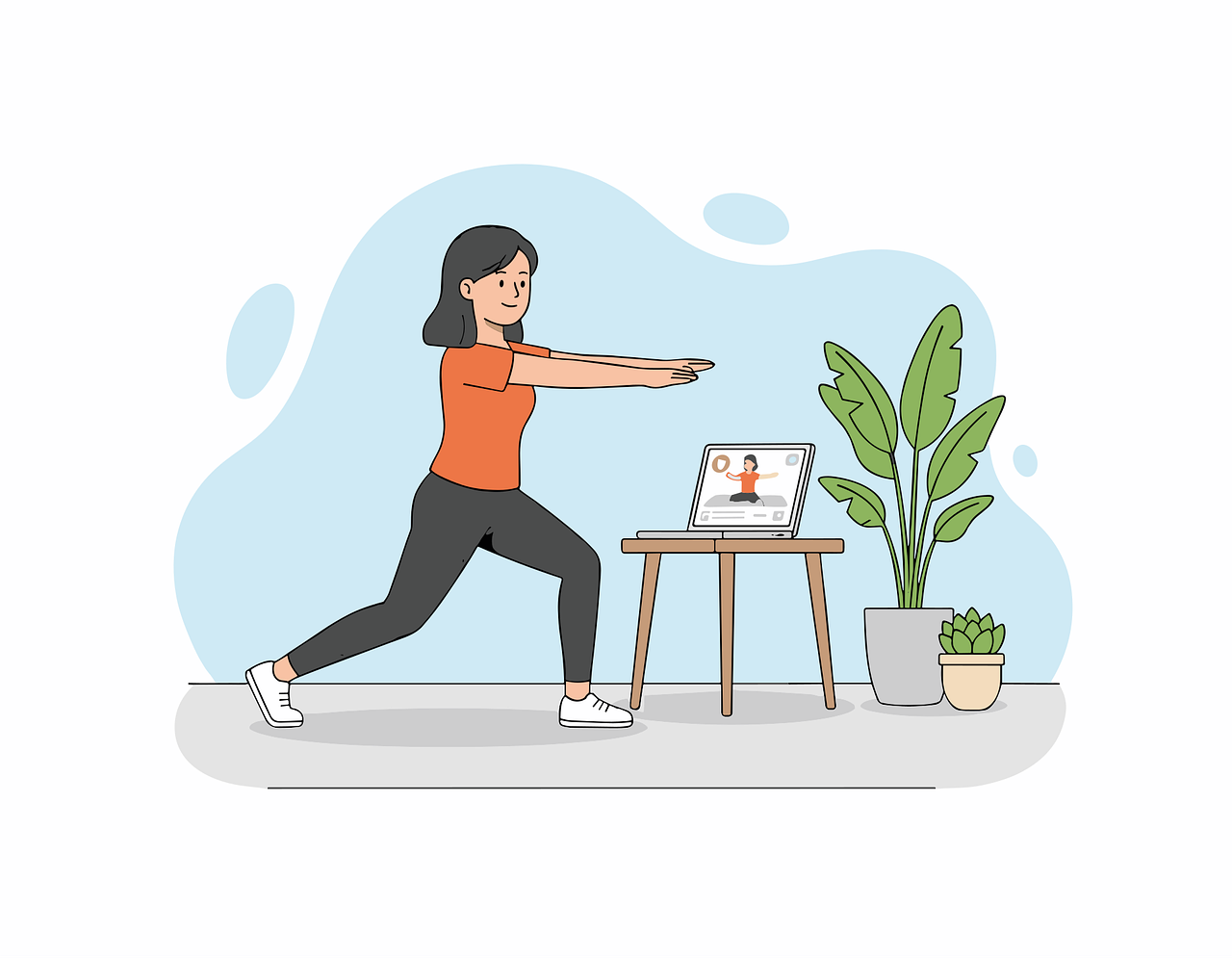
Warming up before you start your dumbbell workouts at home is a crucial step that should never be overlooked. A proper warm-up helps increase circulation to your muscles, prepares your body for more strenuous activity, and reduces the risk of injury. It typically involves a series of dynamic movements that mimic the exercises you plan to perform. Here are some great warm-up exercises:
- Arm circles
- Leg swings
- Torso twists
- Bodyweight squats
Start with some gentle cardio like jogging in place or jumping jacks for about five to ten minutes. This elevates your heart rate gradually and gets your muscles primed. Following cardiac activities, engage in specific mobility exercises targeting your major joints—such as shoulders, hips, and knees. Devoting five to ten minutes to this process preps your body effectively for the workout ahead. Avoid static stretching during warm-ups, as it has been shown to decrease power output. Instead, focus on controlled movements that enhance flexibility without compromising muscle strength.
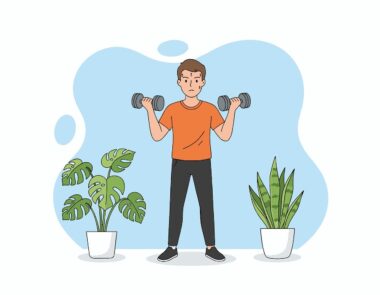
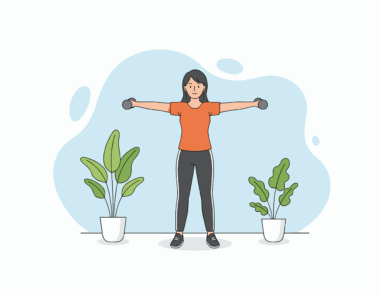
Once you’ve successfully warmed up, the next step is to focus on your dumbbell workout routine. Selecting the right weight is essential for a productive session. Start with lighter weights to ensure proper form before progressing to heavier ones. Gradually increase the resistance as your skills and strength improve. Aim for a mixture of compound and isolation exercises to challenge your body effectively. Some popular dumbbell exercises are dumbbell presses, lunges, and bent-over rows. Incorporate these movements into a circuit for a well-rounded workout experience. Additionally, pay attention to rest intervals; shorter breaks between exercises can enhance endurance, while longer breaks are beneficial for strength training. Monitor your body’s response to avoid overexertion or fatigue. Focus on maintaining a good grip and posture throughout the session. Overall, your workout should last between 30 and 60 minutes depending on your fitness level, ensuring a mix of strength and endurance training. Document your routine to track progress and stay motivated.
Cool Down Exercises to Consider
A proper cool-down is the final requirement for your dumbbell workouts at home, facilitating your transition from exercise to rest. Cooling down gradually lowers your heart rate and helps prevent dizziness or fainting caused by abrupt changes in activity levels. It allows your muscles to relax, reducing soreness and stiffness for future workouts. After finishing your workout, dedicate five to ten minutes to cooling down. Here are some effective cool-down activities:
- Gentle walking
- Static stretching
- Deep breathing exercises
Start with a light walk to gradually decrease your heart rate. Follow this with static stretches targeting the muscles you’ve used, holding each position for 15 to 30 seconds. Stretch your arms, chest, back, and legs to ensure all major areas are addressed. This routine promotes flexibility and aids in the recovery process. In addition, consider incorporating breathing exercises to help you relax and re-center your body. With these practices, the chances of injury decrease significantly while recovery improves.
Your cool-down session can be much more than just stretches; it can be a mindful experience that promotes overall well-being. Mindfulness techniques like deep breathing can significantly enhance your recovery process. Take time to focus on your breath, inhaling deeply through your nose and exhaling slowly through your mouth. This practice helps to calm your mind and lowers stress levels. Your cool-down routine can also serve as a perfect time to reflect on your workout. Consider what worked well for you and what didn’t, allowing insights for future sessions. Perhaps keep a journal to note the exercises, weights used, and any feelings experienced during the session. This practice can improve your self-awareness and motivation. Moreover, feel free to incorporate relaxation techniques such as light yoga to further enhance your flexibility and tranquility. Always remember, maintaining a balanced approach between exercise intensity and recovery is critical for any fitness journey. Ideally, every workout should conclude with a cool-down routine to boost your progress and physical health.
Staying Hydrated Throughout
During your dumbbell workouts at home, hydration should never take a backseat. Water plays several essential roles in your physical performance, including regulating body temperature, lubricating joints, and aiding in muscle recovery. You should always drink water before, during, and after your workout session for optimal results. As a general guideline, aim to consume at least 8 oz (about 240 ml) of water within the hour before starting your session. Keep a water bottle nearby to encourage drinking throughout the workout. Aim for small sips every 15 to 20 minutes during the exercise to maintain hydration levels effectively. Your body’s fluid needs may also increase with heavy lifting sessions, particularly if your exercises induce significant sweating. After finishing your workout, replenish lost fluids by drinking water or electrolyte beverages. Ensure that you listen to your body; fatigue and dizziness can be early signs of dehydration. Remain proactive in maintaining good hydration practices, as proper fluid balance can enhance your performance and speed up recovery.
Another important aspect of your home workout routine is paying attention to nutrition, especially before and after boxing exercises. Having the right nutrients, particularly protein, carbohydrates, and healthy fats, facilitates recovery and supports muscle growth. A balanced diet creates the ideal environment for performance. Consider a snack rich in protein and carbohydrates about 30 minutes before your workout. Options include a banana with almond butter or a low-fat yogurt with granola. After your session, aim for a meal featuring lean protein sources, like chicken or legumes, combined with whole grains and vegetables. This combination aids recovery and helps replenish glycogen stores that your body uses during physical activities. Another option is preparing smoothies to make nutrient intake easier. They can be packed with fruits, veggies, and protein sources to fuel your recovery. Understanding how your body responds to different foods can fine-tune your energy levels and performance. Ultimately, maintaining balanced nutrition is essential not only for recovery but also for maximizing your physical fitness.
Conclusion: Making the Most of Your Home Workouts
In conclusion, successfully warming up and cooling down can significantly enhance the benefits of your dumbbell workouts at home. Ignoring these crucial steps can lead to ineffective training and increased risks of injury. By committing to a comprehensive warm-up routine and effective cool-down exercises, you prepare your body for maximum performance while promoting recovery afterward. Aim to stay mindful of hydration and nutrition both during and post workouts, nurturing your body throughout your fitness journey. Respecting the importance of these practices will develop resilience and flexibility in your exercise routine over time. Track your workouts, evaluate your progress, and celebrate small victories—they foster motivation and commitment. Regularly switching up your dumbbell routines can keep workouts fresh and exciting while challenging your muscles in different ways. Whether you’re a beginner or a seasoned athlete, adopting an all-encompassing approach to fitness through warm-ups, cool-downs, hydration, and nutrition will optimize your results. Commit to practicing consistently, and watch yourself thrive in your health and fitness endeavors!